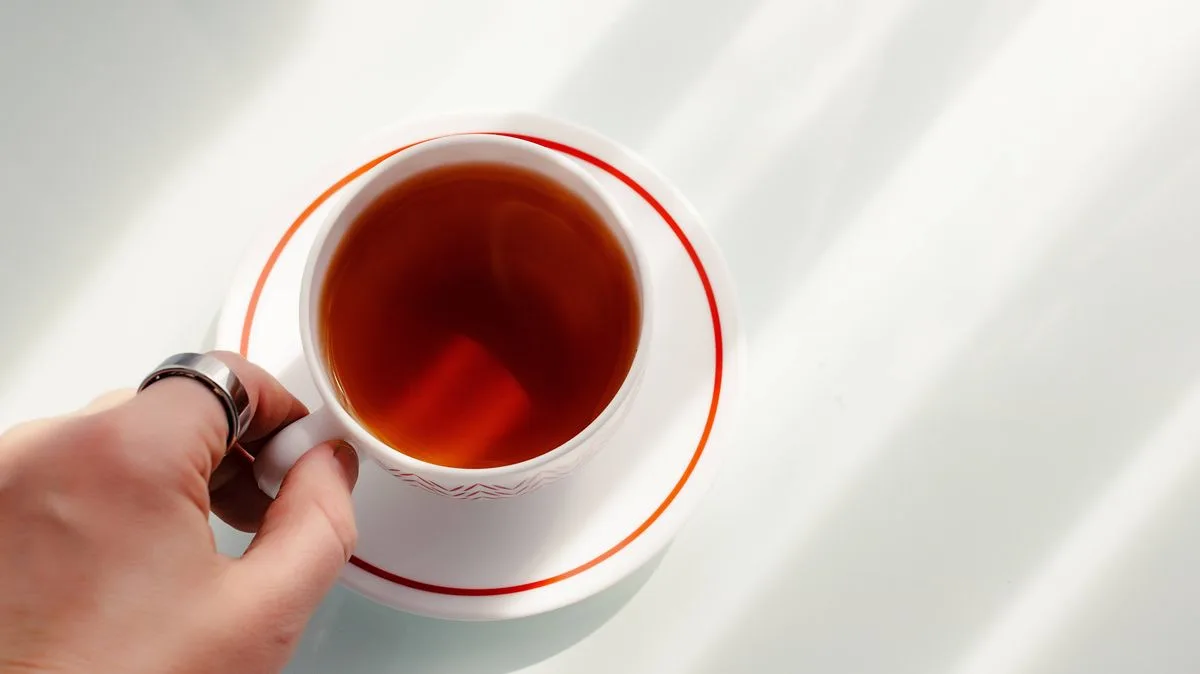
In a surprising twist for Britain's tea-drinking traditions, a comprehensive blind taste test has revealed that a humble supermarket own-brand offers the nation's finest cuppa, outperforming several premium and long-established favourites.
The Great British Tea Taste-Off
Consumer publication Which? conducted an extensive investigation to determine where Brits can find the finest teabags currently available on the market. The organisation gathered 79 seasoned tea enthusiasts to sample 12 of Britain's leading tea brands in a meticulously controlled environment.
Methodology and Participants
The taste test encompassed both premium branded offerings and supermarket own-label products to establish whether price truly reflects quality in the world of tea. Participants assessed each brew on multiple criteria including appearance, aroma, mouthfeel and flavour while seated in individual booths, with all branding carefully concealed to ensure completely impartial judgement.
The brands under scrutiny included household names such as Yorkshire Tea, PG Tips, Tetley and Twinings, alongside own-brand offerings from Asda, Tesco, Sainsbury's, Morrisons, Aldi, Lidl and Waitrose.
Unexpected Champion Emerges
Asda's Everyday tea bags emerged as the clear victor in this nationwide taste test, praised by panellists for their appealing presentation and enticing fragrance. The report stated that Asda's Everyday Tea Bags, priced at just £1.20 for 80 bags, nabbed the top spot along with Which?'s prestigious Best Buy and Great Value endorsements, achieving an impressive overall score of 72%.
The panel awarded particularly high marks for aroma and appearance, with more than two-thirds (68%) of testers judging the colour as spot-on for a perfect brew. Regarding flavour, approximately half (49%) of participants found it perfectly balanced and just right for their preferences.
Premium Brands Face Unexpected Setback
In a remarkable development, Yorkshire Tea – frequently hailed as Britain's finest cuppa and a national favourite – surprisingly landed in second-to-last position in the blind tasting. A significant 32% of tasters claimed the Yorkshire brew lacked sufficient strength for their liking, challenging its reputation as the nation's go-to strong tea.
Sharing the bottom position were Tesco Original and Twinings Everyday tea bags, with the latter commanding four times Asda's price at £4.80 for 80 bags. Twinings failed to impress on taste, proving too weak for most participants, though 60% did appreciate the tea's colour and found the bitterness perfectly balanced.
Close Competition and Value Revelations
The competition proved remarkably tight throughout the testing process, with Asda's Everyday teabags securing their top spot by merely a single percentage point. PG Tips Original (£3 for 80 bags), Tetley Original (£2.50 for 80 bags) and Sainsbury's Red Label (£1.25 for 80 bags) trailed closely behind, sharing runner-up position with identical 71% scores.
The findings demonstrate conclusively that splashing out more cash doesn't guarantee superior value or flavour in the tea aisle, making supermarket own-brands well worth sampling for quality-conscious consumers. Tesco Original performed reasonably well on bitterness control according to testers, yet numerous participants complained their brew appeared overly dark and simply wasn't robust enough for what they considered a proper cuppa.
Complete Ranking Results
The comprehensive testing produced the following overall results:
- Asda Everyday Tea Bags - 72%
- PG Tips Original - 71%
- Sainsbury's Red Label - 71%
- Tetley Original - 71%
- Aldi Diplomat Red Label - 70%
- Co-op 99 Blend Fairtrade Tea - 70%
- Waitrose Essential Original Blend Tea Bags - 70%
- Taylors of Harrogate Yorkshire Tea - 70%
- Lidl Knightsbridge Red Label Tea Bags - 69%
- Morrisons Everyday Tea - 68%
- Tesco Original Tea - 67%
- Twinings Everyday - 67%
This revealing investigation provides valuable insights for Britain's tea drinkers, suggesting that exceptional quality can sometimes be found in the most affordable and accessible supermarket offerings rather than necessarily in the premium-priced brands that dominate advertising and shelf space.