Amazon Announces Major Retail Restructuring with Store Closures
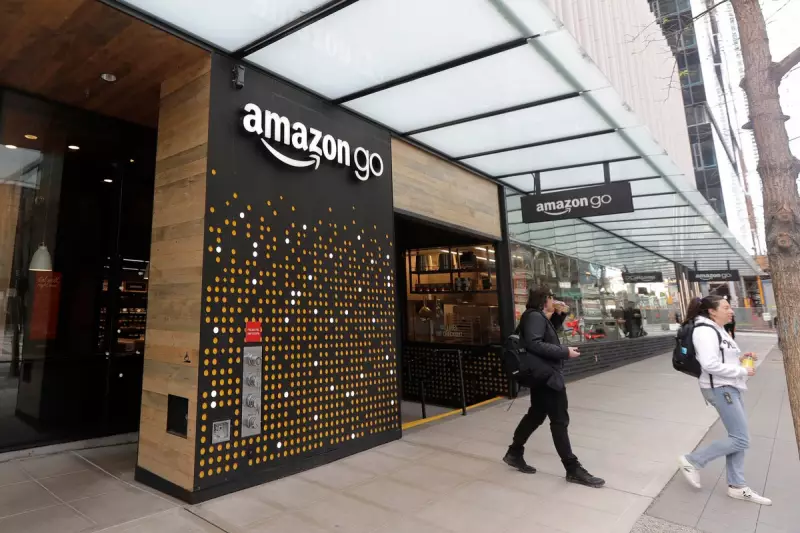
In a significant strategic shift, Amazon has confirmed it will close almost all of its Amazon Go and Amazon Fresh physical store locations within days. The announcement, made this week, signals a dramatic narrowing of the tech giant's focus toward food delivery services and its established Whole Foods Market grocery chain.
Immediate Store Closures and Conversion Plans
The Seattle-based company revealed in a blog post that the majority of Amazon Go and Amazon Fresh stores will cease operations this Sunday. Some of the shuttered locations will be converted into Whole Foods Market stores as part of the transition. California stores will remain open longer to comply with specific state requirements, representing the only exception to the immediate closure timeline.
Amazon explained its decision by stating: "While we've seen encouraging signals in our Amazon-branded physical grocery stores, we haven't yet created a truly distinctive customer experience with the right economic model needed for large-scale expansion." This admission comes as the company refocuses its grocery strategy toward more established channels.

Broader Corporate Restructuring and Job Cuts
The store closure announcement arrived alongside news of substantial corporate job reductions. Amazon confirmed on Wednesday that it would cut approximately 16,000 corporate positions, marking its second round of mass layoffs within just three months. This follows CEO Andy Jassy's comments late last year that job cuts were driven by changing company priorities rather than financial pressures or artificial intelligence implementation.
The dual announcements reflect a comprehensive restructuring of Amazon's retail operations as the company streamlines its physical presence while expanding its digital and established grocery offerings.
Whole Foods Expansion and Delivery Growth
Since acquiring Whole Foods Market in 2017, Amazon has overseen impressive growth at the grocery chain, with sales increasing by more than 40% and expansion to over 550 locations nationwide. The company now plans to open more than 100 new Whole Foods Market stores over the coming years, significantly expanding its physical grocery footprint through this established brand.
Simultaneously, Amazon is dramatically expanding its food delivery capabilities. The online retailer currently delivers groceries to 5,000 U.S. cities and towns, with many locations offering same-day delivery of fresh produce and perishable items. Based on positive customer feedback, Amazon plans to extend its same-day delivery service to additional markets throughout this year.
Technology Legacy and Future Applications
Amazon opened its first Amazon Go store eight years ago in Seattle, introducing revolutionary "just walk out" technology that allowed customers to select items and leave without traditional checkout processes. The company described these locations as "innovation hubs" that successfully demonstrated the potential of frictionless shopping technology.
Although the physical stores are closing, Amazon confirmed that the "just walk out" technology continues to be deployed in more than 360 third-party locations across five countries. Within its own operations, Amazon is expanding the technology's use, with over 40 North American fulfillment centers already employing it in employee breakrooms to streamline meal purchases. Additional implementations are planned for this year.
Future Retail Concepts and Strategic Direction
Looking ahead, Amazon revealed plans to open "supercenter" locations that would carry groceries alongside other merchandise, though specific details about these new formats remain undisclosed. This suggests the company continues to experiment with physical retail concepts while consolidating its grocery operations around Whole Foods Market.
The closure of Amazon Fresh stores, which first launched in 2020, represents a relatively short-lived experiment in physical grocery retailing. As consumer shopping patterns continue evolving toward online delivery and established grocery brands, Amazon appears to be consolidating its resources around its most successful grocery ventures while maintaining technological innovations for future applications.