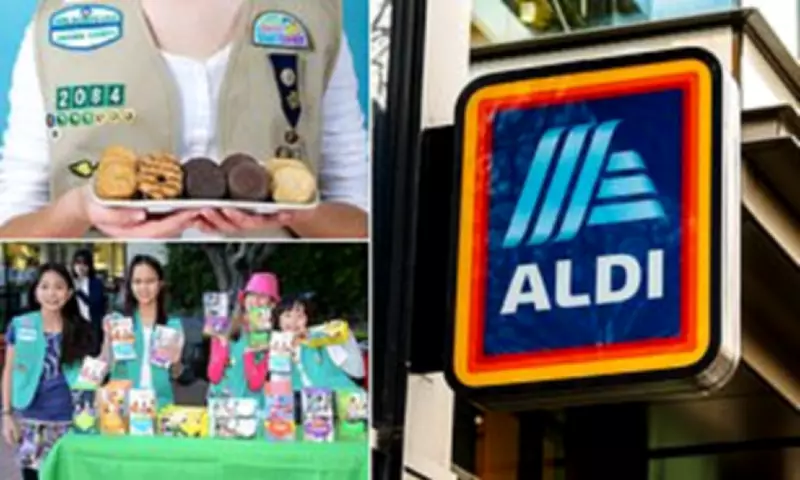
The annual Girl Scout cookie season, running from January through April, brings a beloved tradition where young girls in signature uniforms sell treats like Thin Mints and Samoas to raise funds for their troops. This sweet initiative proves that indulging cravings can align with doing good, as each purchase supports educational trips, camps, and community projects for girls across the United States.
Retailers Undercut Charitable Tradition with Budget Dupes
However, major retailers are now facing backlash for launching their own versions of these iconic cookies at a fraction of the price, potentially undermining the Girl Scouts' fundraising efforts. Aldi, in particular, has drawn attention for its Benton's Caramel Coconut Fudge Cookies, which Reddit users have identified as a near-identical dupe for the popular Girl Scout Samoas.
Price and Taste Comparisons Fuel Controversy
Aldi's version costs $2.55 for a pack of 18 cookies, while the original Girl Scout Samoas are priced at $6 for a box of 14. On social media, one Redditor noted that while the packaging differs, the taste is "damn near identical," jokingly suggesting that Girl Scouts need to "up their game." This sentiment highlights a growing divide among consumers: some prioritize affordability and taste, while others emphasize the charitable cause behind the cookies.

Retail expert Carol Spieckerman commented on Aldi's strategy, stating, "If packaging and recipe mimicry is over the line, Aldi crossed it long ago and the Girl Scouts aren't immune." She explained that Aldi leverages its brand equity by copying national brands, a practice many customers expect and appreciate for its cost-saving benefits. Spieckerman added, "Aldi's clearly sticking to the stance that it's easier to ask for forgiveness than permission, though at this point, they're looking pretty unrepentant."
Shoppers Divided Over Supporting Scouts vs. Saving Money
Online discussions reveal a split in public opinion. Some argue that buying Girl Scout cookies is more about donation than consumption, with one commenter stating, "I agree Scout cookies are overpriced, but you don't buy them for the cookie - you buy a few boxes for support." Another added, "I'd rather support Girl Scouts than a huge grocery chain," emphasizing the importance of funding local troops and experiences for girls.
Conversely, many shoppers praise Aldi's dupes for their superior texture and value. One fan wrote, "I prefer the Aldi version. They're softer, less expensive, and you get more of them." Another noted that the caramel on Girl Scout cookies has "gotten tougher over the years," making the Aldi alternative more appealing. Some have even shifted to donating cash directly to the organization while purchasing cheaper store-brand cookies, reflecting a pragmatic approach to balancing charity and personal finance.
Impact on Girl Scouts' Billion-Dollar Program
The Girl Scout Cookie Program, established in 1917, is the organization's primary revenue source, generating between $800 million and $1 billion annually from sales of over 200 million packages. Revenue from each box is distributed among the bakery, local councils, and individual troops, funding activities that foster leadership and confidence in girls. A spokesperson for the Girl Scouts urged shoppers to stick with originals, stating, "When you buy Girl Scout Cookies, you're getting more than just a delicious treat: you're helping to power experiences that help girls learn, grow, and thrive."
They warned that replicas sold in stores "directly impact girls' ability to take part in these life-changing experiences," which might otherwise be inaccessible without cookie sales. Beyond Aldi, other retailers like Lidl, Dollar Tree, Dollar General, and Walmart also offer convincing dupes of various Girl Scout cookie flavors, amplifying the challenge to the charitable tradition.

Broader Implications for Charity and Consumer Choice
This controversy underscores a broader tension between supporting charitable causes and seeking affordable alternatives in a competitive retail market. As budget-friendly options proliferate, consumers must weigh the ethical implications of their purchases against financial considerations. The debate also raises questions about intellectual property and brand mimicry in the grocery industry, where private-label products often blur the lines between inspiration and imitation.
Ultimately, the fate of Girl Scout cookie sales may hinge on public awareness and loyalty to the cause. While dupes offer tempting savings, the unique value of contributing to youth development and community projects remains a powerful incentive for many to choose the original treats each season.