Abdul's Lebanese Restaurant Closure Marks End of Sydney's Little Lebanon Era
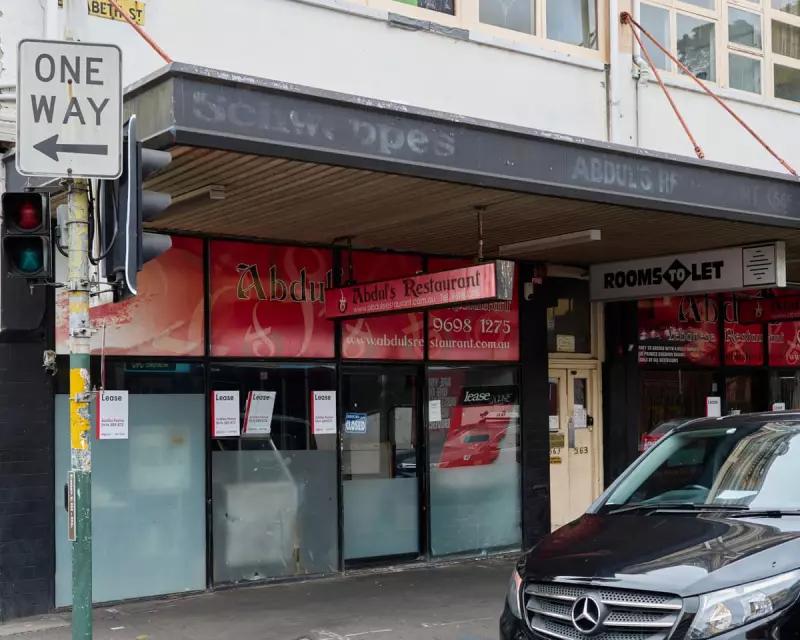
The recent closure of Abdul's Lebanese Restaurant in Surry Hills has sent shockwaves through Sydney's culinary community, marking what many fear is the end of an era for the area once known as Little Lebanon. The beloved institution, which had served generations of Sydneysiders since 1968, fell victim to a perfect storm of shifting demographics, soaring rents, and reduced patronage in the post-pandemic landscape.
From Humble Beginnings to Sydney Landmark
What began as a tiny hole-in-the-wall falafel shop in 1968 grew to become a Sydney landmark that fed everyone from celebrities to broke students seeking hearty kebabs after a night out. Hiba Damaa, whose parents Dib and Nizam Ghazal opened the restaurant and named it after her eldest brother Abdul, remembers its pioneering spirit reflecting early Lebanese migration to Australia.
"Abdul's originated as a Lebanese sweets and pastry shop run by my brother-in-law," she recalls. "When he wanted to move on, my parents started selling falafel sandwiches. It was tiny. There wasn't any Lebanese bread of course, so my mother made it all from scratch, and the line for those sandwiches used to go halfway down the street."

The business gradually expanded to include dine-in tables and eventually a second shop, becoming a cornerstone of the local community.
A Family Legacy of Generosity
Abdul's daughter Dina Ghazal, who worked at the restaurant after school and on weekends, isn't surprised by the outpouring of affection following the closure. Her father was renowned for his dedication to customers, rarely taking time off work and always striving to please his patrons.
"Dad never took his customers for granted," she says. "He was very serious about the business running how it should. In the early years there were tablecloths and wine glasses, and we had to wear a uniform."
Abdul Ghazal insisted on making labour-intensive menu items because customers loved them, and he would often give out free falafel with tahini sauce during busy periods when people had to wait in line. "He always said you could not succeed in the food business if you were not generous," Dina remembers.
The Rise and Fall of Little Lebanon
Many Sydneysiders assume the Lebanese community has always been concentrated in the city's western suburbs, but Surry Hills and Redfern once formed a vibrant hub known as Little Lebanon. John Betros, 91, vividly remembers his childhood in the area when most homes on Great Buckingham Street were occupied by Lebanese families.
"The Lebanese go where the churches are," he explains, noting that churches with Lebanese priests were well established in the area from the late 19th century onward. Wilson's, on Pitt Street Redfern, claims to be the area's first Lebanese restaurant, opening in 1957.
When Betros opened his pharmacy business in Surry Hills in 1960, several restaurants were already catering to Lebanese migrants, particularly single men seeking home-cooked meals after work. This eventually attracted broader patronage as Lebanese cuisine gained popularity.
"There was a Lebanese chicken shop, and then the Ghazal family opened Abdul's," Betros recalls. "They were doing well so another opened next door called The Prophet, and they were doing well, and then next door to them was a Lebanese grocery store. Because people were filling the restaurants, another one called Fatima's opened up. Lebanese food was in great demand."
Remarkably, Betros remembers all the restaurant proprietors as being very friendly with one another despite being competitors. "There was no animosity between them. They were all nice people and all very respectful of each other."
Changing Times and Economic Pressures
Dina Ghazal and Hiba Damaa point to multiple factors behind the restaurant's closure and the broader decline of the area's Lebanese dining scene. Changing demographics, rising rents, and shifts in footfall patterns following the COVID-19 pandemic have all contributed to the transformation of what was once a thriving restaurant district.

Damaa highlights the particular challenges facing Lebanese restaurants: "The labour that goes into preparing Lebanese food, the many fresh ingredients required, and customers' low-price expectations do not help." She contrasts this with simpler dishes like pasta that command higher prices despite requiring fewer ingredients and less preparation time.
Abraham Zailaa, owner of nearby restaurant Fatima's, told ABC Radio Sydney that before COVID-19, Surry Hills was "thriving" thanks to people attending theatres and sporting events. Now, local cafes and restaurants desperately need community support to survive.
A Cultural Legacy Remembered
As tributes flowed following Abdul's closure, long-time fans and locals lamented the changing character of Surry Hills, blaming gentrification and fearing the restaurant might be replaced by a gym or corporate eatery. The closure represents more than just the loss of a dining establishment—it marks the fading of a cultural legacy that shaped Sydney's culinary landscape for over half a century.
Dina Ghazal remembers her father's philosophy of accommodating customers' tastes, even when their requests weren't particularly authentic. "Dad was adamant that he wanted to cater to the Australian community who still wanted their tomato sauce with hummus and their tahini with BBQ sauce," she says. Abdul didn't mind that they wouldn't make it like that in Lebanon—he just wanted to give people what they liked to eat.
The restaurant's vibrant atmosphere, with Arabic music playing until 2am, birthday celebrations, parties, and occasional belly dancing, created what Dina describes as a "beautiful, happy atmosphere" that will be sorely missed. While Abdul Ghazal passed away nine years ago, and the restaurant was most recently run by his nephew Omar Ghazal, the family legacy endures in the memories of countless Sydneysiders who experienced the warmth and generosity of Little Lebanon's most famous establishment.