The UK government has announced a sweeping overhaul of the water industry, with plans to abolish the current regulator Ofwat and introduce mandatory infrastructure 'MOTs' for all water companies.
Ministers will unveil the proposals in a Water White Paper on Tuesday 20 January 2026, aiming to merge the complex system of four overlapping watchdogs into a single, powerful new regulator.
New Powers for a New Watchdog
The core of the reform is a new requirement for proactive infrastructure health checks. Water firms will be forced to identify and fix crumbling pipes, faulty pumps, and issues at sewage works before they cause major failures.

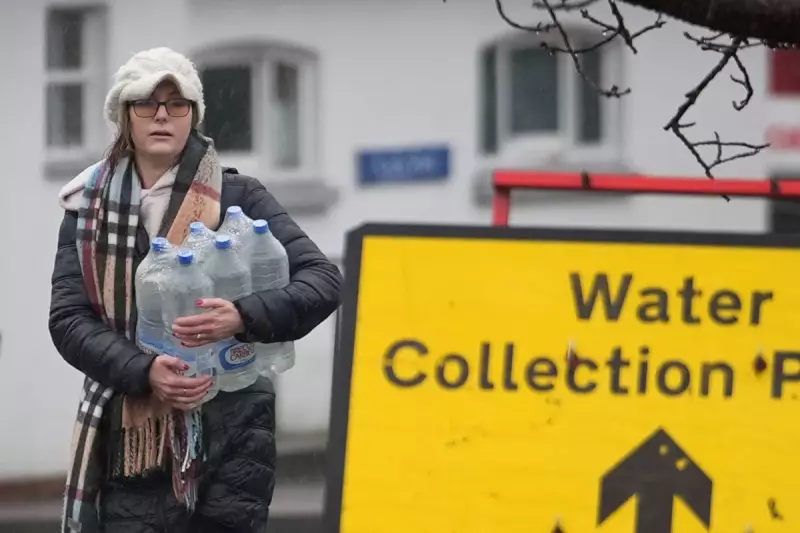
This measure is a direct response to incidents like the recent burst pipes at South East Water that left thousands of homes without supply in cold weather. The government hopes such risks will be spotted in advance under the new regime.
For the first time in two decades, a chief engineer will be appointed within the regulator to conduct hands-on checks, ensuring companies are not “marking their own homework.”
A Complex Transition Path
While the direction is set, the change will not be immediate. The formal abolition of Ofwat is unlikely before 2027, and establishing the new body will be a complex process. The government will set out a transition path in the coming months and introduce a new Water Reform Bill to enact the necessary legislation.
Environment Secretary Emma Reynolds stated: “These are once-in-a-generation reforms for our water system – tough oversight, real accountability, and no more excuses.”
She added that the plans build on existing actions, including record investment and a ban on unfair bonuses for water company executives.
Tailored Oversight and Accountability
Further measures in the White Paper include replacing the current “one-size-fits-all” approach with dedicated regulator teams for each water company. This aims to provide deeper insight into each firm's operations.
Where performance is lacking, the watchdog can impose tailored performance improvement regimes to act faster. It will also have new “no-notice” powers to check security and emergency preparedness for events like cyber-attacks or supply crises.
The paper will also outline clean lines of accountability for senior executives, with measures likened to those in the financial sector.
These changes come amid public anger over rising bills, sewage pollution, and large executive bonuses. The current regulatory system, involving Ofwat, the Drinking Water Inspectorate, the Environment Agency, and Natural England, has faced intense criticism for perceived failures during years of high shareholder payouts, mounting company debt, and deteriorating infrastructure.
Philip Duffy, Chief Executive of the Environment Agency, called the White Paper “a key milestone,” while Chris Walters, Ofwat's interim chief, said the new regulator would “rebuild trust.”
However, the plans have drawn mixed reactions. Liberal Democrat environment spokesperson Tim Farron said the paper “does not go far enough,” calling for a new customer-owned model. James Wallace of River Action welcomed steps but warned of “major gaps” in tackling agricultural pollution and company ownership.
A spokesperson for industry body Water UK welcomed the focus but urged a swift shift “from diagnosis to delivery,” stating: “We cannot afford for any more long-term decisions to be taken by a system everyone knows has failed.”