
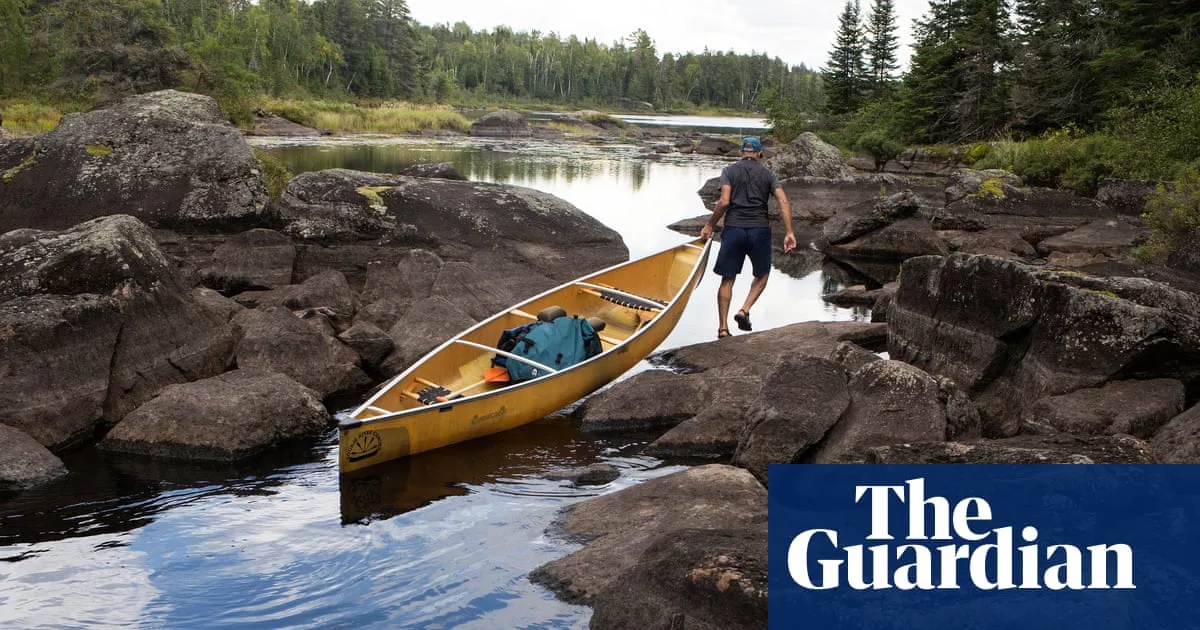
The US Senate narrowly voted on Thursday to overturn a 20-year ban on mining near Minnesota's Boundary Waters canoe area wilderness, a vast network of lakes and forests that is one of America's most visited wild areas. The resolution passed 50-49, repealing a moratorium imposed by the Biden administration in 2023 on mining across 225,000 acres in the Superior National Forest.
The measure, already approved by the House, now heads to President Donald Trump, who is expected to sign it. The vote is a victory for Twin Metals Minnesota, a subsidiary of Chilean mining giant Antofagasta PLC, which seeks to build a copper and nickel mine near the Boundary Waters. Environmental groups have long opposed the project, warning of potential contamination.
Democratic Senator Tina Smith of Minnesota spoke against the resolution, arguing it would "greenlight exposure of this national treasure to the highly toxic and destructive impacts of sulfide or copper mining." She also said the measure was "the opposite of 'America first'," noting the company is foreign-owned and would use Chinese smelters.
Two Republicans, Senators Susan Collins and Thom Tillis, joined Democrats in opposing the measure. Senator Josh Hawley did not vote. After the vote, Smith told supporters: "Do not lose hope. This fight is not over."
Twin Metals spokesperson Kathy Graul called the vote a "critical moment for our nation's ability to strengthen our mineral supply chains," adding that any project must undergo a rigorous regulatory review before construction. Environmental advocates condemned the decision; Ingrid Lyons of Save the Boundary Waters called it a "dark day for America's most beloved wilderness area."
Despite the Senate vote, the project still faces legal challenges and must secure federal leases and state permits, according to the New York Times.




