
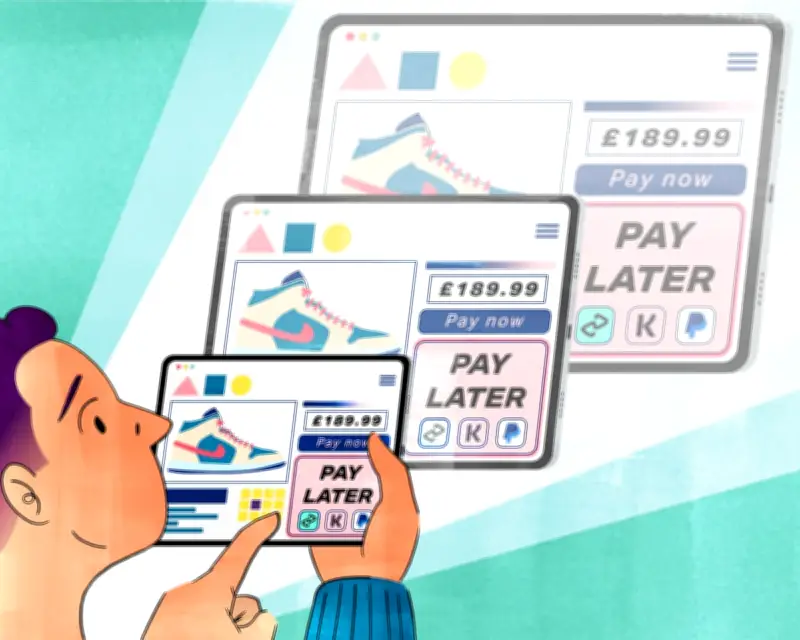
Millions of shoppers in the UK will benefit from enhanced rights and protections starting Wednesday as new regulations for buy now, pay later (BNPL) credit come into effect. The Treasury stated it is fulfilling its commitment to end the BNPL “wild west” by bringing this form of credit under the oversight of the Financial Conduct Authority (FCA).
What Is BNPL and How Prevalent Is It?
BNPL is a credit product that allows consumers to split payments for purchases—ranging from clothing and electronics to travel and food—into three or four instalments over weeks or months. If paid on time, it is interest-free; late payments incur fees and potential credit file damage. The sector has grown from £60 million in 2017 to over £13 billion in 2024, according to the FCA. Dominant providers include Klarna, Clearpay, and PayPal. UK Finance data shows BNPL usage among UK adults rose from 14% to 25% in just one year, initially driven by younger consumers but now seeing the fastest growth among older demographics.
Why Is the Government Acting?
Regulators and consumer bodies have long warned that BNPL can lead to unaffordable debt, charges, and credit score harm. Citizens Advice reports helping “more people than ever before” with BNPL-related issues. Previously, BNPL was not regulated like other consumer credit products, a gap the new rules aim to close.
New Rights and Protections
Under the new regime, BNPL lenders must conduct affordability checks before each loan, ensuring borrowers can realistically repay. Firms must provide clear upfront information about payment schedules and consequences of missed payments. Those in financial difficulty will be directed to debt advice before debt collection. Crucially, BNPL purchases over £100 now benefit from Section 75 protection, allowing claims against both the provider and retailer for transactions between £100 and £30,000. For purchases under £100—the average transaction is about £60, per Experian—some firms, like Klarna, will maintain existing buyer protection policies. Consumers can also complain to the Financial Ombudsman Service if issues arise, such as incorrect credit file marks or mis-selling, noted Martin Lewis, founder of MoneySavingExpert.com.
Potential Downsides and Market Impact
Fair4All Finance, a not-for-profit focused on financial inclusion, warns that up to 30% of current BNPL users could be rejected under new affordability checks, and nearly half of those likely turned down have never missed a payment. CEO Kate Pender stated, “There’s a real risk that many people who currently use BNPL responsibly could be unfairly excluded,” potentially pushing them toward illegal money lenders. Ben Player, a partner at law firm TLT, noted that larger providers already FCA-authorised are better positioned to handle compliance costs, while smaller players may face consolidation or exit. Conversely, some analysts predict the sector will grow as regulated conditions attract cautious consumers and retailers.




