Debate Over Special Government Aid for Pubs Amid High Street Crisis
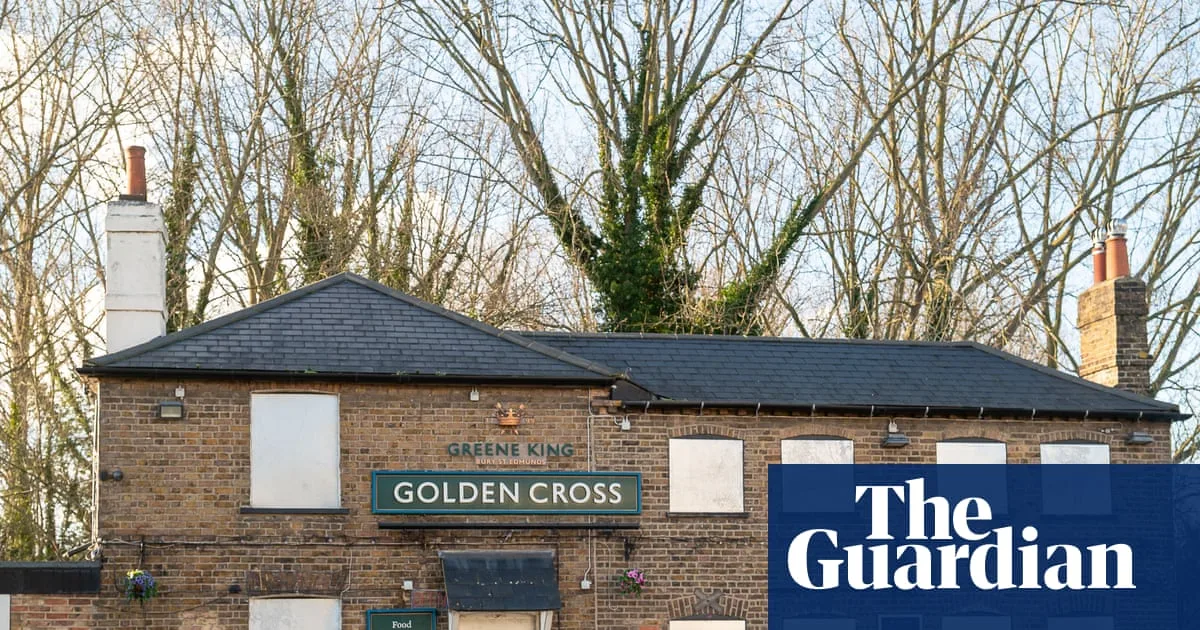
The boarded-up Golden Cross pub in Poyle, Berkshire, stands as a stark symbol of the challenges facing many high street establishments across the UK. In a recent opinion piece, Simon Jenkins advocated for state intervention to save British pubs, describing them as crucial community hubs. However, this plea has sparked a heated debate, with critics arguing that singling out pubs for government help is misguided when other businesses are equally suffering.
Questioning the Focus on Pubs
Michael Newman from Shefford, Bedfordshire, raises pointed questions in response to Jenkins' call. He asks why pubs should receive special measures over other high street staples like wool shops, stationery stores, or greasy spoon cafes. Newman challenges the notion that pubs deserve public funding, especially from teetotallers who are unlikely to visit them. He also probes whether pubs truly embody the idyllic camaraderie Jenkins portrays, suggesting that this image may hold true in affluent areas like Oxfordshire but not in more deprived urban settings.
Newman acknowledges that governments have long neglected small retailers, but he contends that weaving a narrative of bonhomie around pubs is a fairytale. He emphasizes that pubs are businesses and must adapt to market demands without expecting preferential treatment. "Public money for the boozer? Who'd drink to that?" he quips, highlighting the contentious nature of such subsidies.
Criticism of Nostalgic Views and Brewery Influence
John Whitley of Milford on Sea, Hampshire, adds to the critique by urging Jenkins to "get out more." He argues that Jenkins' nostalgic view of pubs as community centres aligns with the Reform UK playbook and overlooks alternatives like actual community centres. Whitley points out that many pubs are not independent but tied to major breweries, which have been squeezing landlords through direct ownership or managed leases. Subsidising pubs, he warns, could inadvertently benefit these large corporations rather than local communities, exacerbating the very issues that endanger pubs.
Historical Perspectives and Alternative Solutions
Pamela Ellis from York offers a historical angle, recalling the medieval custom of church ales that brought communities together for celebration and fundraising with food, dancing, and home-brewed ales. She suggests that this tradition, ended by the Reformation, could be revived by enterprising clerics in areas lacking pubs, providing a community-focused alternative without relying on government aid.
Broader Implications for High Street Businesses
The debate underscores a broader tension in policymaking: should certain types of businesses receive targeted support during economic crises? As high streets across the UK grapple with closures and declining footfall, the discussion extends beyond pubs to the entire retail industry. Critics like Newman and Whitley stress the need for equitable solutions that address the struggles of all small businesses, rather than favouring one sector based on sentimental value.
This controversy highlights the complex interplay between nostalgia, economic reality, and community needs. While pubs may hold cultural significance, their role in modern society is evolving, and any government intervention must consider the diverse landscape of high street enterprises. As the conversation continues, it raises fundamental questions about how best to support local economies in an era of rapid change.




