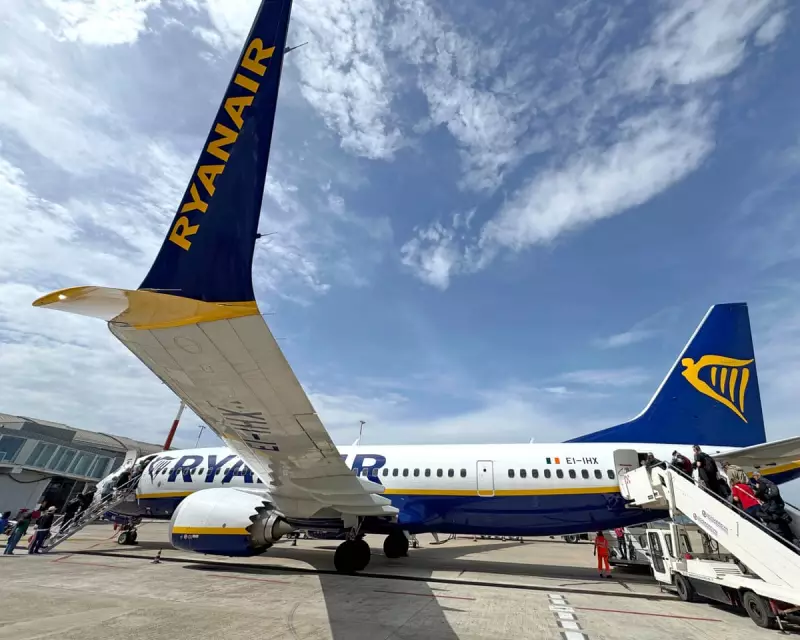
Ryanair has been hit with a substantial financial penalty by Italian regulators for imposing restrictions on how third-party websites sell its flight tickets. The Competition and Market Authority (AGCM) in Italy has levied a fine of €10 million against the budget airline.
The Core of the Italian Investigation
Italy's AGCM launched its probe following complaints from several major online travel agencies (OTAs). The investigation centred on allegations that Ryanair had engaged in anti-competitive practices by deliberately limiting or blocking the ability of these platforms to sell its tickets.
The authority concluded that Ryanair's actions unfairly disadvantaged the OTAs, restricting consumer choice and competition within the digital travel market. By controlling the distribution channels, the airline could potentially steer customers directly to its own website, bypassing intermediaries.

Ryanair's Defence and Broader Industry Context
Ryanair has consistently defended its approach, arguing that selling tickets directly to consumers via its official platform allows it to offer the lowest possible fares. The airline claims that third-party sites often add hidden fees and mark-ups, confusing passengers and inflating the final cost.
This clash is not isolated to Italy. Similar tensions between airlines and OTAs have flared across Europe, with carriers seeking to reduce distribution costs and maintain control over customer data and the booking experience. The Italian fine represents one of the most significant regulatory interventions in this ongoing battle.
Potential Repercussions for Travellers and the Market
The ruling from the AGCM could have wide-reaching implications. For consumers, a victory for OTAs might mean greater convenience, allowing for price comparison and bundled holiday packages that include Ryanair flights alongside hotels and car hire.
For the aviation and travel industry, the €10 million fine sets a notable precedent. It signals that competition authorities are willing to scrutinise and potentially penalise airlines that are perceived to stifle competition in ticket distribution. This may encourage other European regulators to examine similar practices within their jurisdictions.
While Ryanair is expected to appeal the decision, the outcome of this case will be closely watched by airlines, online travel giants, and consumer groups across the continent. It strikes at the heart of how flight tickets are sold in the digital age and who controls the relationship with the passenger.