
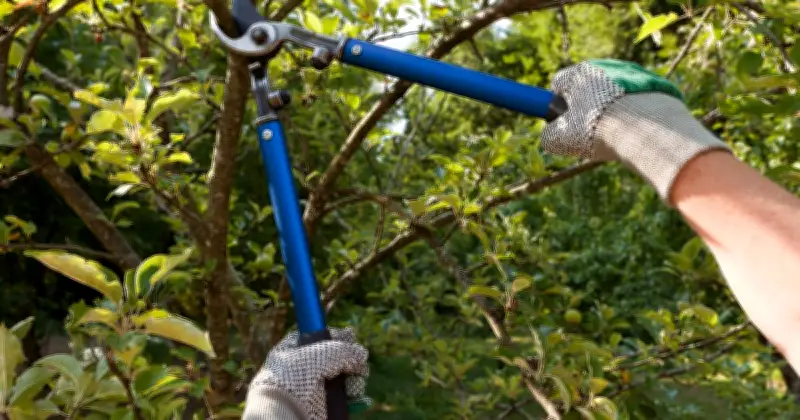
As summer arrives across the UK, garden disputes over encroaching vegetation from neighbouring properties are becoming increasingly common. Property specialists at HCB Widdows Mason have provided crucial guidance to help homeowners navigate their rights regarding overhanging branches and invasive plants.
Your Rights on Overhanging Branches
Natalie Welsh, head of property at the firm, emphasises the importance of understanding the legal framework. In England and Wales, you are allowed to cut back any branches that cross onto your property, but only up to the boundary line. Welsh explained that homeowners must ensure they do not step onto their neighbour's land or damage the tree itself.
Who Pays for Removal?
Homeowners must bear the cost of removing overhanging branches themselves, not their neighbours. The cut branches legally belong to the neighbour, and throwing them back over the fence constitutes illegal fly-tipping. This disposal rule could land you in trouble with the law.
Boundary Responsibilities
Boundary responsibilities can be complex, with 'T' marks on title documents indicating maintenance obligations. Without such marks, boundaries are typically considered shared party boundaries with joint responsibility. Welsh advised that a friendly word with the neighbour may help establish views of ownership over any respective boundary in question and avoids any disputes or misunderstandings later.
Experts warn that boundary disputes can become costly and acrimonious, recommending legal consultation when situations become complicated. For more detailed information, homeowners can seek further legal advice tailored to their specific circumstances.




