
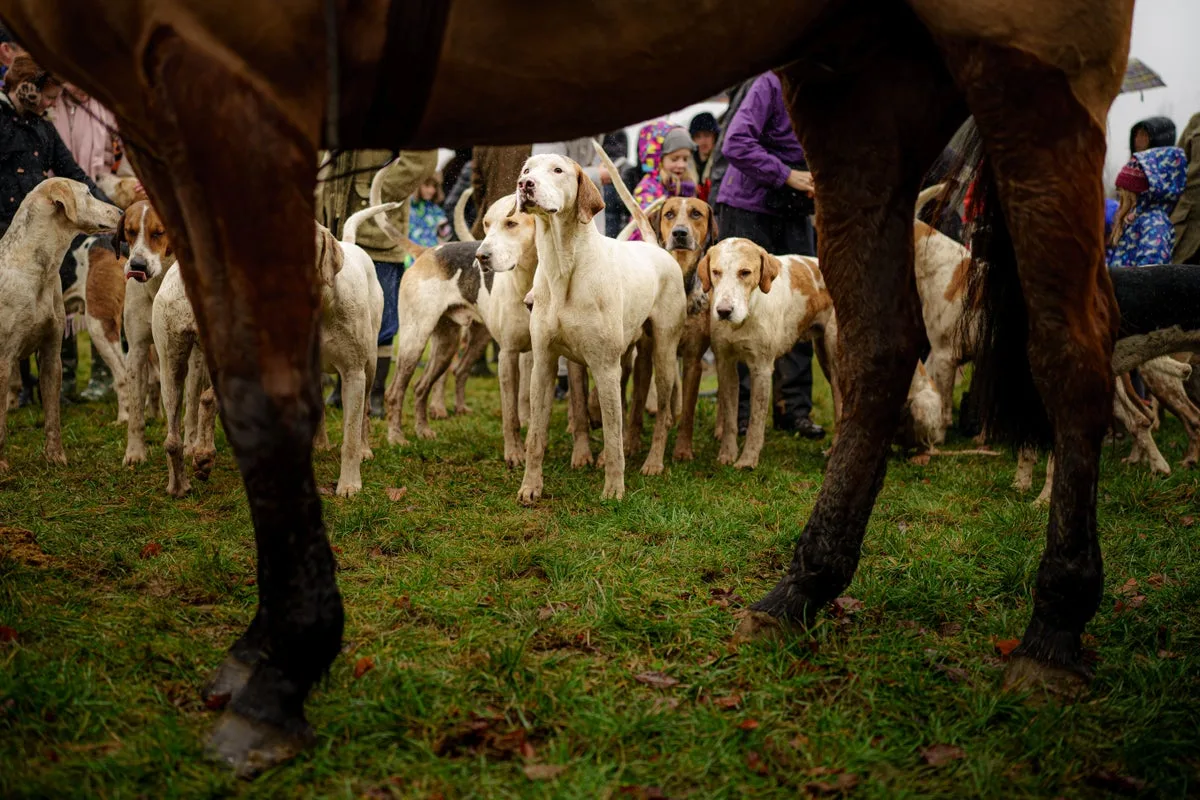
The Government has announced plans to ban trail hunting and electric shock collars for pets as part of a major animal welfare strategy. The proposals, launched on Monday, aim to tighten protections against cruel breeding practices such as puppy farming and address concerns that trail hunting is being used as a cover for chasing live foxes.
Environment Secretary Emma Reynolds said the UK is “a nation of animal lovers” and claimed the Government is “delivering the most ambitious animal welfare strategy in a generation”. The strategy builds on recent law changes that crack down on puppy smuggling and impose larger penalties for worrying livestock.
Among the pet welfare measures is a consultation on banning shock collars, amid worries they could harm pets. The Government also plans a public safety campaign promoting responsible dog ownership, following growing concern about XL bully-type dogs, which have been banned after being linked to several fatal attacks.
For farmed animals, the strategy includes moving away from colony cages for laying hens and pig farrowing crates, as well as introducing more humane slaughter methods for farmed fish. Wild animal protections include banning snare traps and introducing a closed hunting season for hares.
Downing Street rejected claims that the reforms amount to a “war on the countryside”, with the Prime Minister’s spokesman stating: “We share the British public’s high regard for countryside.” He also dismissed criticism from Reform UK leader Nigel Farage, who called Labour “authoritarian control freaks” over the trail hunting ban.
The RSPCA welcomed the strategy as “a significant step forward”, while the Countryside Alliance objected to the trail hunting ban, arguing it is a legal activity that supports jobs and rural communities. The Government said it will consider whether overseas products have an unfair advantage if new rules on caged hens lead to imports.




