
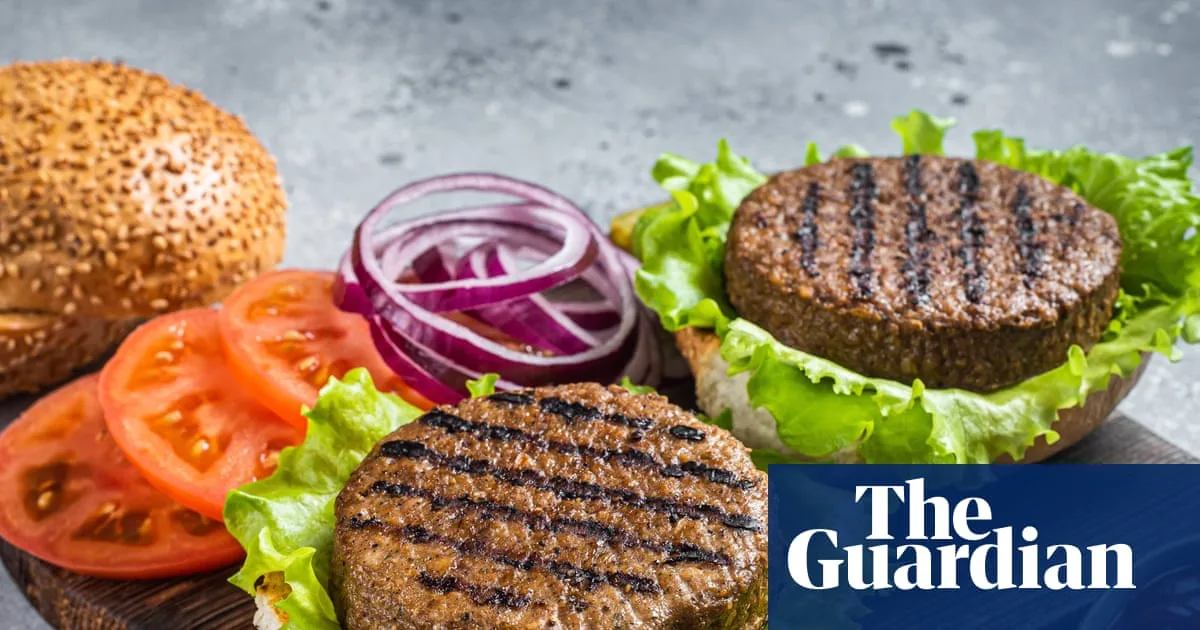
Plant-based products labelled as ‘burgers’ or ‘sausages’ could be banned in the UK under a new sanitary and phytosanitary (SPS) agreement with the EU, the Guardian understands. The Labour government secured the deal earlier this year, allowing British businesses to sell some meat products in the EU for the first time since Brexit, but it ties the UK to certain EU food labelling rules.
The European Union is set to vote this week on banning the use of ‘meaty’ terms for vegetarian food, following lobbying from the livestock industry. The European Parliament voted for the ban last month, and the European Commission and member states will now decide whether it becomes law. If passed, the UK government believes the law will automatically apply to British businesses, though a specific exemption could be negotiated.
The Food Standards Agency has reportedly told stakeholders that UK businesses would be subject to the new rules if adopted. The ‘common understanding’ underpinning the SPS deal states that an exception could only be agreed if it does not lower standards compared to EU rules or negatively affect EU goods in the UK market.
Critics argue the move is driven by the meat industry rather than consumer demand. Joel Scott-Halkes of WePlanet said: “There’s no genuine, citizen-driven demand to ban veggie burgers or sausages – just a meat industry push to protect its profit margins.” Supermarkets Aldi and Lidl, Burger King, and sausage producer Rügenwalder Mühle wrote an open letter warning that banning familiar terms would make it harder for consumers to make informed decisions.
Supporters include French meat producers and MEP Céline Imart, who drafted the amendment, stating: “A steak, an escalope or a sausage are products from our livestock, not laboratory art nor plant products.” German Chancellor Friedrich Merz also backed the move, saying: “A sausage is a sausage. Sausage is not vegan.”
A government spokesperson told the Guardian: “We are focused on delivering an SPS deal that could add up to £5.1bn a year to our economy... We will not comment on hypothetical scenarios or speculation.”




