
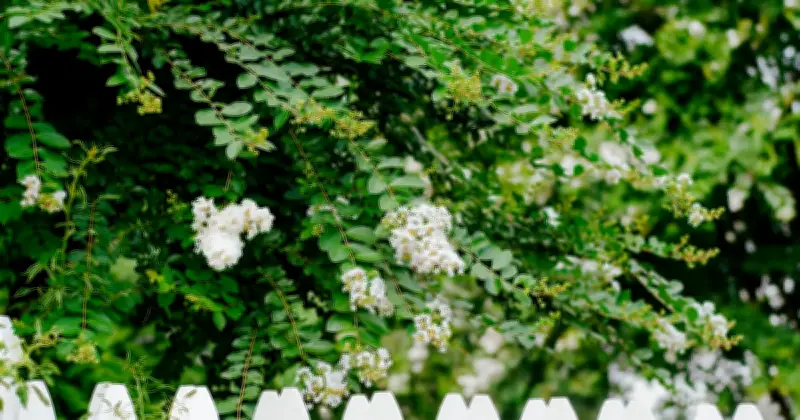
Check for a Tree Preservation Order Before Cutting
Having a neighbour's tree overhanging your fence can be frustrating, causing mess, blocking light, or creating an eyesore. However, before you reach for the secateurs, it is essential to check whether the tree is protected by a Tree Preservation Order (TPO). Pruning a protected tree without permission can lead to legal consequences and fines of up to £20,000, according to home insurance experts at Tiger.co.uk.
To find out if a tree is under a TPO, homeowners can use the Government's search tool to identify the relevant council and inquire about the tree's status. This step is crucial to avoid unintentional lawbreaking.
Nesting Birds and Legal Protections
The second critical check is whether birds are nesting in the tree. Under the Wildlife and Countryside Act 1981, it is illegal to disturb or harm nesting birds. If birds are present, any trimming must be postponed until after the nesting season to avoid legal repercussions.
Ian Wilson, managing director and home insurance expert at Tiger.co.uk, stated: "It may feel a little tense discussing boundary lines with neighbours, but it's important to always approach any concerns respectfully to help resolve issues without disputes."
Your Rights and Responsibilities When Trimming
Homeowners do have the right to prune overhanging branches up to their property boundary line. However, Wilson recommends speaking to the neighbour first before starting any work. He added: "If a neighbouring tree is overhanging onto your property, you do have the right to prune it, and it's often recommended to do so, particularly if there is a risk to your home."
If damage occurs from the tree, homeowners generally need to claim through their own home insurance policy, meaning they are responsible for paying the excess. Wilson emphasised: "Any cutting should only be done up to your boundary line, and you must follow standard pruning practices, such as ensuring you're not disturbing wildlife or damaging protected trees."
Proper Pruning Practices to Avoid Liability
When trimming, always stay on your own property and cut only to the boundary line. Any trimmed branches remain the property of the tree's owner, so offer them back to your neighbour. If they decline, you can dispose of them. Be careful not to trim too much or damage the tree, as causing the tree to die can result in liability.
Following these guidelines helps maintain good neighbourly relations and avoids costly fines or legal disputes.




