
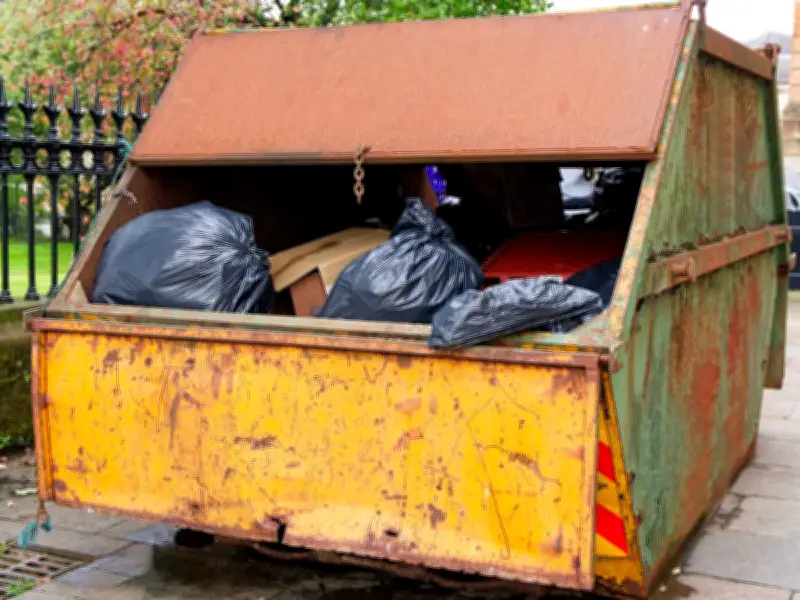
Waste experts have warned about nine items that are banned from standard skips across the UK, and throwing them away incorrectly could result in fines of up to £400 or your rubbish being refused.
What Items Are Banned?
The nine items banned from skips are: tyres, paint tins with leftover paint, asbestos, fridges and freezers, batteries, gas cylinders, electrical appliances, medical waste, and fluorescent light tubes.
James Ward from Wheeldon Brothers highlighted that one of the most common errors people commit is treating skips as a "catch-all" for every variety of waste. He explained: "People often think a skip means they can get rid of absolutely anything from the house or garage, but that is not the case. There are strict rules around certain types of waste because some materials can be dangerous, environmentally harmful, or difficult to process safely."
Hazardous Waste Requirements
Asbestos, batteries, fluorescent light tubes, medical waste, and fridge/freezers are all categorised as hazardous waste owing to their contents and require proper disposal. Anyone getting rid of these materials can use the Government's hazardous waste disposal tool to discover how to discard them safely.
Tyres, paint tins, gas cylinders, and electrical goods might not be deemed hazardous, but they still should not be discarded with ordinary household rubbish. Those uncertain about disposing of electrical equipment can search online to locate recycling points in their area.
Penalties and Advice
Incorrect disposal of materials can result in penalties of up to £400 from your local authority, or the skip firm may decline to collect your waste if they discover banned materials within.
James Ward advised that residents should always verify with the skip provider before discarding these materials. He stated: "If you are unsure about throwing away an item, ask first. It is much easier to check beforehand than deal with extra faff or penalties later."
Batteries and electrical goods are amongst the most frequent items discarded incorrectly. James noted: "These items can become a fire risk if damaged or crushed during transport. Even something as small as a lithium battery can cause serious problems when mixed in with general waste."




