Zillow Removes Climate Risk Data After Industry Complaints Harm Sales
Zillow deletes climate risk data from property listings

In a controversial move, Zillow, the dominant online real estate marketplace in the United States, has removed a feature that displayed a property's specific risk from climate-related threats. The decision follows sustained complaints from real estate agents and some homeowners who argued the scores were arbitrary and damaging to sales.

From Informing Buyers to Industry Backlash

In September 2023, Zillow introduced a tool showing individualised risk ratings for wildfire, flood, extreme heat, wind, and poor air quality across one million listed properties. The company stated at the time that "climate risks are now a critical factor in home-buying decisions" for many Americans. The data was provided by First Street, a non-profit climate risk research group.

However, the feature faced significant pushback. Real estate professionals and some property owners claimed the rankings seemed random, could not be disputed, and were ultimately harming potential transactions. Among the complainants was the influential California Regional Multiple Listing Service, which manages a core database of property information used by Zillow.

In response, Zillow has now deleted the integrated climate index from its listings. The company said it remains dedicated to helping consumers make informed choices and will now provide outbound links to First Street's own website for those seeking climate risk information.

Experts Warn of 'Flying Blind' in a Warming Market

Matthew Eby, founder and chief executive of First Street, criticised the decision, arguing it leaves homebuyers dangerously uninformed. "The risk doesn't go away; it just moves from a pre-purchase decision into a post-purchase liability," Eby said. He warned that families may only discover the need for expensive flood insurance after a disaster or find that wildfire coverage is unaffordable in their area post-purchase.

Eby connected the pressure to remove the data to a strained property market, characterised by a lack of affordable housing and a series of climate-driven disasters causing insurers to raise premiums or withdraw from states like California and Florida. "Climate risk data didn't suddenly become inconvenient. It became harder to ignore in a stressed market," he stated.

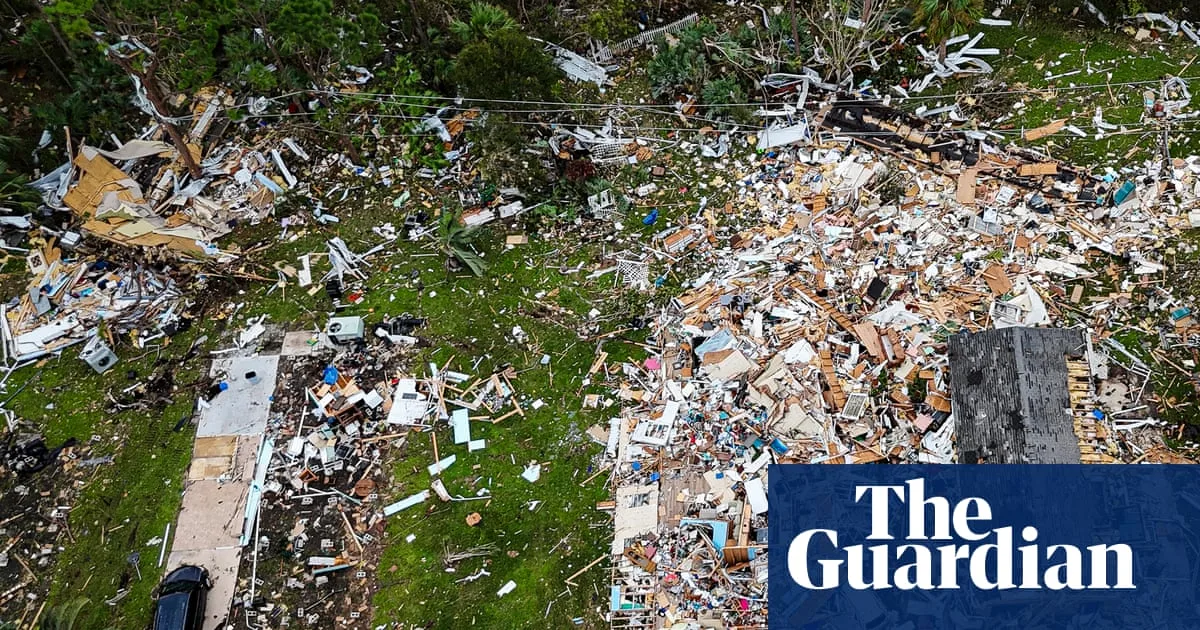
The context is a nation grappling with escalating climate impacts. Last year, disasters intensified by the climate crisis caused an estimated $182bn in damages across the US. Consequently, the home insurance required for mortgages is becoming scarcer and more expensive, particularly in high-risk regions. This trend clashes with another: more Americans are moving to disaster-prone areas like Florida and the southwest.

A Debate Over Data and Disclosure

The removal of the tool highlights a fierce debate within the real estate sector about quantifying and disclosing climate peril at the individual property level. Some experts question the precision of such granular risk modelling.

Jesse Keenan, a climate risk management expert at Tulane University, noted that some scientists worry "proprietary risk models that provide highly uncertain assessments can have the perverse effect of undermining the public's confidence in climate science." He suggested there is growing bipartisan recognition that the government should support more standardised risk assessment.

Nevertheless, Keenan added that he does not believe the brokerage industry is trying to hide climate risks, as their impacts are already being felt widely. Eby of First Street defended his organisation's models, stating they are built on peer-reviewed science and validated against real outcomes, providing better insight than historical industry tools.

The practical effect of climate risk on high-value property was starkly illustrated last year. A sprawling Florida mansion, listed for a record $295m and located in an area ranked as highly vulnerable to flooding, failed to sell despite several price cuts and was ultimately withdrawn from the market.