
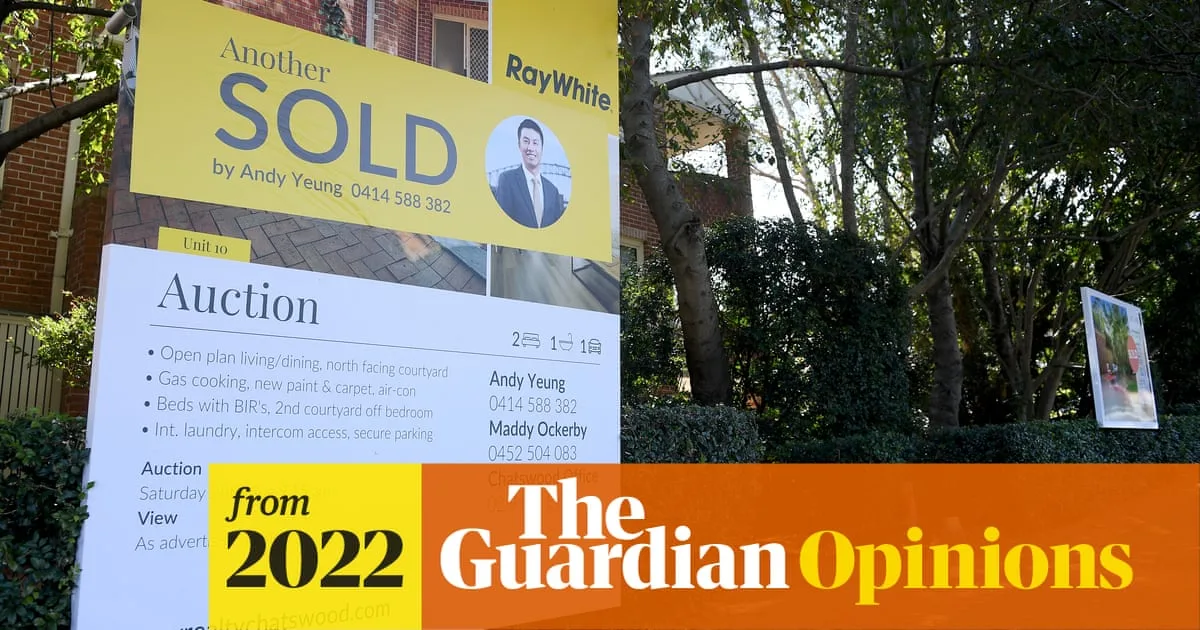
Home ownership, long considered a cornerstone of Australian adulthood and economic security, is becoming increasingly unattainable for young people. Rates of home ownership have been falling since the 1980s, and the COVID-19 pandemic has only worsened the crisis, with house prices surging 24% last year in some regions.
Multiple factors are driving young Australians out of the market. Easy borrowing and low mortgage rates have fuelled demand in a market with limited supply. Meanwhile, investment incentives such as capital gains tax discounts and negative gearing have concentrated homes in the hands of investors, sidelining first-time buyers.
Political factors also play a key role. Treasurer Josh Frydenberg remarked in June that rising house prices are good for the economy, acknowledging that many households benefit from property inflation. This political calculus, observers say, means simple solutions such as building more homes or properly taxing property investments are avoided because they are not deemed electorally sound.
As a result, many young adults are forced to rent or move back in with their parents. Economist Saul Eslake predicts that home ownership rates among Australians in their 20s and mid-30s will be lower than those recorded in the 1947 census, with continued upward pressure on prices expected despite interest rate adjustments.
The housing affordability crisis disproportionately affects low-income earners, who face housing stress that limits spending on essentials like food, healthcare and education. The situation has led to a sense of fatalism among younger generations, who see home ownership as a dream increasingly reserved for the wealthy.




