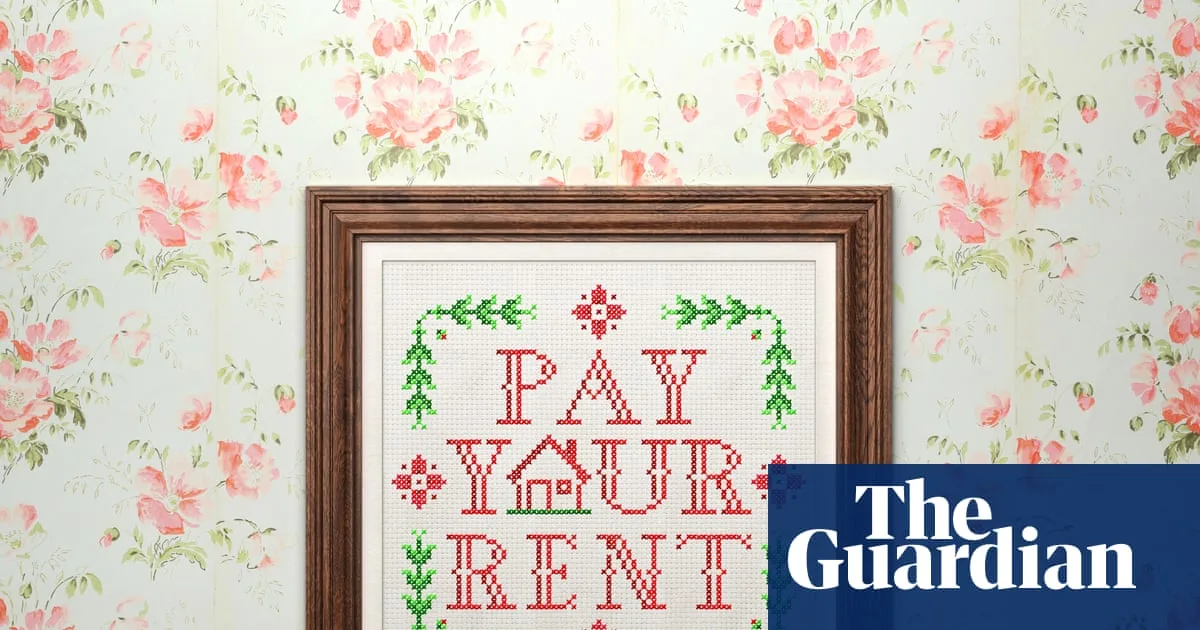
In the midst of the UK's severe affordable housing crisis, turning to a friend for a room can appear to be an ideal solution. However, this arrangement, which creates the modern 'friendlord', is fraught with potential pitfalls that can damage relationships and leave tenants vulnerable.
When Friendship and Tenancy Collide
Rachel's experience is a cautionary tale. After being made redundant and returning to her hometown, her childhood friend Maya offered her a spare room at the market rate. Initially grateful, Rachel soon found the dynamic shifting. She felt compelled to perform extra housework, adhere to strict rules like no laundry in common areas, and avoid cooking strong-smelling foods like curry.
The breaking point came when a faulty front door lock needed repair. Despite a locksmith blaming a building fault, Maya charged Rachel for the cost. "I realised what had been obvious the whole time," Rachel says. "Maya treated me like a friend only when it suited her. Otherwise, I was her tenant." The friendship did not survive her move.
This scenario is becoming increasingly common. Data from flatsharing website SpareRoom reveals an 89% surge in homeowners taking in lodgers over the three years to January 2024, driven by the soaring cost of living. In London, the average room now costs around £1,000 per month, forcing many into unconventional living situations.
The Unequal Dynamic of the Friendlord Setup
For the lodger, the power imbalance can be deeply felt in everyday life. Emily, who moved in with a childhood friend three years ago, says she never feels truly at home. "I'm always very aware of myself," she explains, keeping her photos off the fridge and avoiding confrontation if food goes missing. Even the bathroom towel rail signifies hierarchy: her friend's towel occupies the top rung.
"No friend should know how much toilet paper the other uses," Emily adds, highlighting the uncomfortable intimacy forced by cohabitation. While she benefits from 'mates' rates' on rent, she admits to feeling like "the loser friend" in a life stage where she craves independence and homeownership.
At its worst, the dynamic can become exploitative. Eimear moved in with a friend-of-a-friend, but soon found herself treated as a mere "revenue stream." The friendlord went travelling and listed the other rooms on Airbnb, leaving Eimear living with a constant stream of strangers. Feeling unable to assert her renters' rights due to the 'friendship', she was eventually evicted on New Year's Eve.
Navigating the Minefield: Can It Work?
Some arrangements succeed through clear boundaries and formal agreements. Helen rents a room from a friend who lives with her partner. Her friend was "very by the book," drawing up a formal agreement, registering the deposit, and consulting landlord advice lines. "Because it's done in a formal, official way, it helps me to separate her as a friend and as a landlord," Helen says, providing crucial peace of mind.
For the friendlord, the role requires conscious effort. Tim, who lets his flat to a friend, charges 25-50% below market rate, forgoes a deposit, and is proactive with repairs. "I've had plenty of shit landlords... the absolute last thing I would want is to end up being one myself," he states. He is also mindful to socialise at the pub rather than at the flat, to avoid "impinging" on his friend's home.
However, the legal reality adds another layer of risk. Lodgers—those sharing their landlord's primary residence—have significantly fewer rights than tenants. They are more vulnerable to rent increases, are not covered by the deposit protection scheme, and can be evicted with relatively basic notice.
"Even if you trust your friend, it is possible that in a week or less you could be kicked out," warns Nye Jones, head of campaigns at Generation Rent. "The landlord can even just change the locks." Such an action, he notes, would almost certainly end the friendship: "It's difficult to come back from a lock change."
Journalist and author Alice Wilkinson, who wrote 'How to Stay Sane in a House Share', suggests a shared history can help navigate the awkwardness. Her own six-month stint renting from a friend ultimately deepened their bond. Yet, she cautions that without mutual understanding, the inherent power imbalance can poison the relationship, turning a lodger into an unpaid personal chef or highlighting status through simple oversights like not providing blackout curtains for the lodger's room.
As the housing crisis persists, the friendlord trend is likely to grow. While it can offer a temporary, affordable haven, experts advise treating it with caution, prioritising clear contracts, and being aware that you risk losing not just a home, but a friend.