Readers Demand Systemic Overhaul to Rescue Britain's Declining High Streets
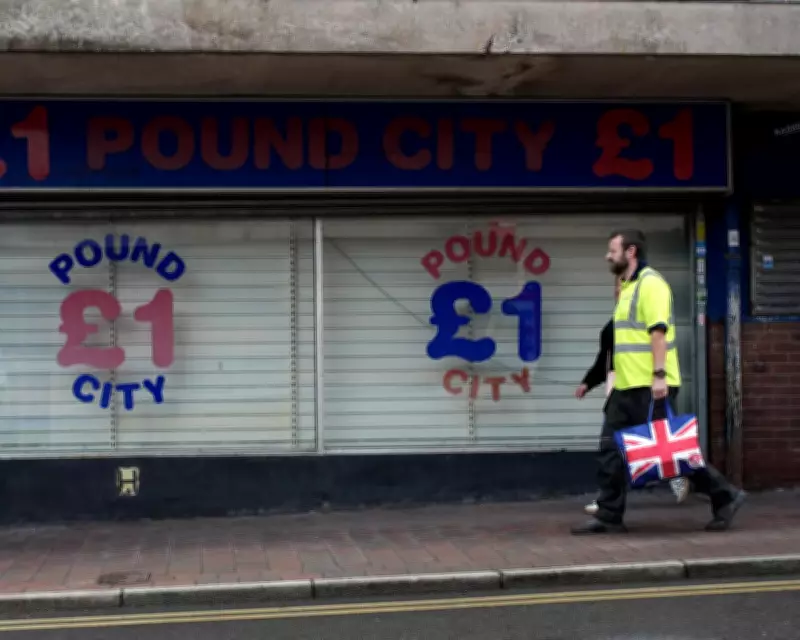
In response to recent discussions on the decline of town centres, readers have issued a powerful call for a fresh vision rather than incremental adjustments to a failing system. The consensus is clear: tinkering with outdated frameworks will not reverse the decay of Britain's high streets.
Four Essential Reforms for High Street Survival
David Claridge from Oxted, Surrey, outlines four critical measures that the Treasury and government innovation efforts typically resist. First, a complete overhaul of the business rates system is imperative. Second, implementing a new tax specifically targeting online businesses would level the playing field. Third, compelling landlords to charge reasonable rents is essential to make physical retail viable again.
Fourth, and perhaps most crucially, local authorities must be granted the financial headroom to purchase vacant retail spaces. This would enable innovative community and business enterprises to flourish in markets currently dominated by excessive taxation and inflated rental costs. Claridge emphasises that these reforms require political enablers willing to challenge the status quo, not just changes in leadership.

From Shopping Centres to Community Hubs
Mandy Barnett from Burneside, Cumbria, envisions transforming town centres into vibrant social spaces rather than purely commercial zones. Imagine hobby centres replacing traditional shopping centres, featuring free table tennis and crazy golf alongside paid craft classes and yoga sessions. Such venues could house initiatives like Men in Sheds while offering indoor football, badminton, and family-friendly food courts with creche facilities.
Barnett argues that Britain's supposedly free market prioritises financial value over social value, forgetting that true wealth should foster happiness and health. This misalignment has resulted in high streets dominated by vape shops and nail bars, while online shopping encourages unsustainable consumption of disposable products. The solution lies in creating buzzing public spaces that bring communities together, exemplified by emerging venues like the Games Room in Falmouth, Liverpool's city centre crazy golf, and board game cafes nationwide.
Planning Failures and Transport Consequences
Rosalind Mitchell from Edinburgh identifies a direct correlation between hollowed-out shopping centres and nearby out-of-town superstores with vast car parks. These developments, she argues, undermine net zero goals while planning authorities remain powerless against corporate pressure. Councillors face threats of expensive legal battles and public purse liabilities if they deny permissions, a risk not shared by Westminster representatives.
Mike Parker, former director general of Nexus, highlights the environmental and public transport damage caused by shifting retail to car-dependent superstores. As a passenger transport executive in the 1990s and 2000s, he observed how new stores located on town fringes with large car parks were designed without public transport access. This switch from buses to cars rendered existing routes unviable, eliminating services for low-population communities and increasing pollution.
Parker suggests enhancing town centres through pedestrian-only areas with bus and taxi access, investing in aesthetic improvements, and implementing financial incentives like differential VAT for face-to-face versus online purchases. Revenue could then support local authority regeneration efforts.
Modern Community Needs and Realistic Expectations
Holly Ware from Tonbridge, Kent, challenges the notion that people should simply shop more on high streets despite higher costs and accessibility issues. During a cost of living crisis, expecting consistent patronage of more expensive options is unrealistic. Instead, Ware advocates reimagining high streets as community hearts offering cafes, social spaces, play centres, pubs, and venues for events and classes.

With longer working hours, screen-dominated days, and remote communication, modern communities need places that facilitate real-life interaction, providing breathing space from digital overload. If the government rethinks business rates to accommodate these spaces, towns can grow without losing their central hubs.
A Call for Visionary Leadership
Barnett concludes by invoking Martin Luther King's example: what's missing is not detailed plans but a vision for systemic change. This requires funding arts and innovation in schools, celebrating diversity, and empowering creatives and community advocates. The message from readers is unanimous: saving Britain's high streets demands bold, comprehensive action that addresses root causes rather than applying temporary fixes to a fundamentally broken system.