

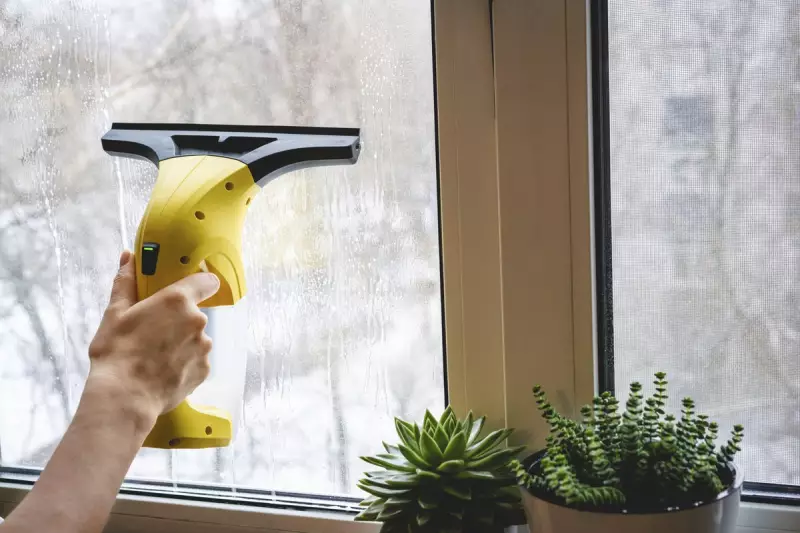
As a cold snap grips the UK, a familiar sight returns to countless homes: windows streaming with condensation. This common winter phenomenon occurs when warm, moist indoor air meets the cold surface of a windowpane, causing water droplets to form. While a little morning mist might seem harmless, persistent condensation can damage window frames and encourage mould growth, creating an unhealthy living environment.
Why Condensation Worsens in Winter
The problem intensifies during colder months for several key reasons. Windows, especially older ones, lose heat rapidly, creating a very cold surface indoors. Meanwhile, households ramp up their heating and keep properties sealed tight to retain warmth. Everyday activities are major contributors, with showering, cooking, boiling kettles, and drying laundry indoors adding litres of moisture to the air. When the window is the coldest spot in the room, that excess humidity inevitably condenses there.
Is Condensation Damaging Your Windows?
A small amount of temporary condensation on a frosty morning is normal. However, persistent moisture poses real risks. Timber window frames can absorb water, leading to swelling, peeling paint, and eventual rot. Damp conditions are ideal for mould to flourish on sills, walls, and behind curtains. Perhaps most telling is condensation between the panes of a double-glazed unit. This indicates a failed seal and the loss of insulating gas, meaning the sealed unit itself requires replacement.

Quick Fixes for Immediate Relief
To manage existing condensation, several immediate steps can help. Use a microfibre cloth or a window vacuum to wipe down panes each morning before moisture soaks into frames. Practice 'shock ventilation' by opening windows for short, five-minute bursts to replace humid air with drier outside air. Always use extractor fans during and for 15-20 minutes after cooking or showering. Keep internal doors closed to stop moist air spreading to colder rooms, and ensure furniture isn't pushed directly against external walls, which can create cold spots.
Long-Term Solutions to Stop Condensation Returning
For a permanent fix, you must address the root causes: excess humidity and cold surfaces. Improve ventilation by keeping trickle vents open in winter and consider systems like Positive Input Ventilation (PIV). Actively reduce humidity by avoiding drying clothes indoors where possible and using a dehumidifier in problem areas. Upgrading to modern, A-rated double glazing keeps the inner pane warmer, drastically reducing condensation. Ensure your home is well-insulated but balanced with adequate airflow to prevent trapping moisture indoors.
If you notice black mould, damp patches on walls, or a persistent musty smell, the issue may extend beyond simple condensation. Structural problems like leaking gutters, cracked render, or rising damp could be at fault. In such cases, seeking advice from a damp specialist or qualified surveyor is recommended to diagnose and treat the underlying cause effectively.






