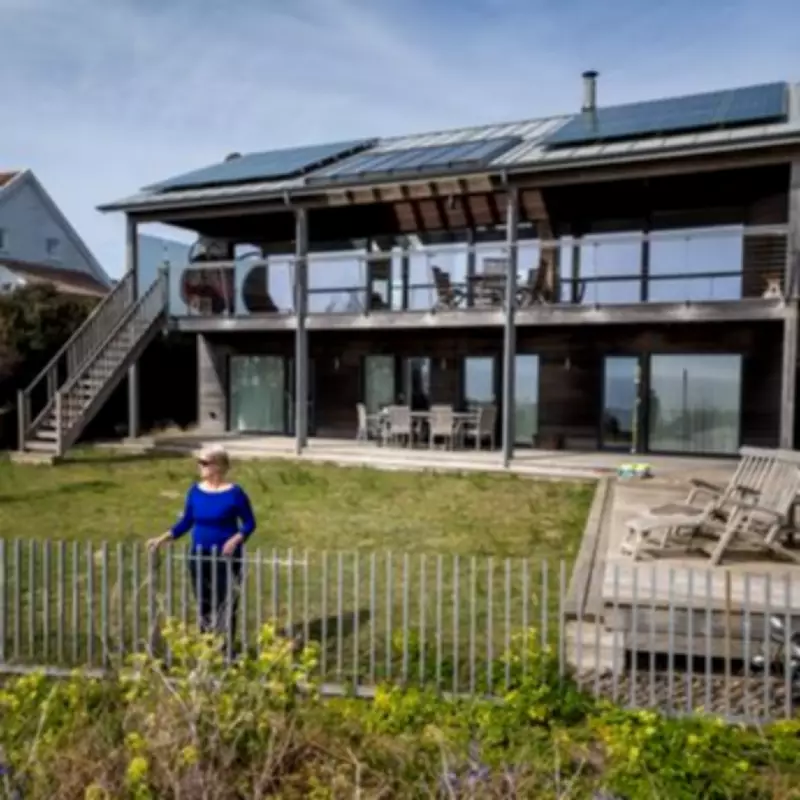
Clifftop Homeowner Faces Demolition Despite Raising £250k for Sea Defences
A Suffolk villager who helped secure over £300,000 for coastal protection now faces the heartbreaking prospect of demolishing her own home after learning it will not be included in the defence scheme.
Years of Erosion and Community Efforts
Sophie Marple, 55, has resided in Thorpeness for more than two decades, witnessing eleven properties demolished before they collapsed into the sea. Over the years, she has actively rallied alongside fellow residents to fundraise and lobby for robust defences along the vulnerable coastline. Their collective efforts aimed to safeguard and futureproof the remaining homes from the relentless erosion threatening the area.
Earlier this year, East Suffolk Council announced it would allocate £300,000 towards enhanced protection measures. This decision followed the placement of temporary rock bags along the shore, which were initially funded by the residents themselves. The total protection scheme costs £550,000, combining the council's budget with £250,000 raised by villagers and owners of at-risk properties.

Shocking Exclusion from Protection
Despite her significant contributions, Sophie was left stunned to discover that empty plots of land would receive the new defences, while her property and that of her neighbour, Meg Walker, would be excluded. "It is absolutely unjust," Sophie expressed. "We are all facing the same erosion and the same risk, so to say that we don't count and demolition is the only option has left me gobsmacked."
She emphasised that she is not seeking preferential treatment, highlighting that coastal erosion is a national issue increasingly burdening homeowners. "We've raised money for our own defences, had our own surveys carried out," Sophie added. "The council just say crack on. They haven't got the money or the people with the expertise to give advice—the only thing they've done is offer to cover the cost of demolition."
Rapid Erosion and Historical Context
The erosion in Thorpeness has accelerated alarmingly, with 27 metres of cliff lost in the past year alone. The fence at the rear of Sophie's property now stands a mere three metres from the cliff edge. Twelve years ago, following a significant erosion event, Sophie rebuilt her dream home after the council and community collaborated to install initial defences. This gave her hope that her property would be protected over time, motivating her to continue convening villagers to fight for further support.
"Thorpeness is a very beautiful, historic, and magical place," Sophie said. "There's always a risk when you buy a house that's sea facing, but it was an absolute dream of mine. After the erosion event, we had the hope we would be able to work together with the council again. We made the decision to invest our time, energy, and emotion into building this house."
Neighbouring Properties Also at Risk
Rock bags have been deployed along 100 to 120 metres of coastline experiencing rapidly increasing erosion, but Sophie and her neighbour Meg are not included in this protection scheme. Meg operates Shore Cote, a five-bedroom seaside holiday cottage built in 1892, with weekly rates around £1,275. Her property, the oldest holiday home in Thorpeness, also faces potential demolition if erosion continues unchecked.
"We do feel like we're being treated slightly unfairly," Meg stated. "We both contributed to erosion funds ten years ago, and I've already lost my beach. Every tide matters. I tried to get Shore Cote listed building permission, but I was told even though I could, it was likely going to be demolished."
Council's Stance and Legislative Constraints
An East Suffolk Council spokeswoman explained that legislation prohibits them from carrying out work in areas of known risk where safe demolition of property is feasible. "We have been engaging with all affected residents in the North End Avenue area, including Sophie Marple, since last spring about their erosion risk following publication of the Environment Agency's national erosion risk maps," she said.

"Whilst we are sympathetic to Sophie's situation, we have a duty to use taxpayers funds responsibly and seek the best outcome possible for the maximum number of properties. Extending the rock bags northwards would not be strategically, technically, environmentally, or financially feasible, as an extension would cost a minimum of £300,000 in an attempt to slow erosion to only two homes, for a short period of time, where the risk is already known and plans are already in place for safe removal of properties when necessary."
The council added that they understand this is a distressing time for affected residents and are continuing to support homeowners, including offering direct financial assistance to help safely remove properties if necessary.
Broader Implications and Future Concerns
Sophie highlighted that a recent storm in March pushed shingle onto rock bags stored by the council at the base of her cliff, which were subsequently removed, leaving her property "vulnerable." She also warned that around ten homes behind hers along North End Avenue could be at risk if erosion persists, emphasising the broader community impact.
"The three phases of defences are a knotted mess," Sophie remarked. "If we don't defend our road, the houses behind it and further down will be affected. They've used the £300,000 to defend a site where six properties have been demolished. We've all contributed in good faith to the defences, and then they say 'You don't count, you should demolish.'"
Sophie does not know how long her property will last before requiring demolition but stated she would be notified by the council's demolition firm once it reaches a "trigger point." With the coastline near her home losing eight metres just six weeks ago in what she described as a "shocking acceleration," the urgency of the situation is palpable, leaving residents in a precarious and emotionally charged predicament.