Glasgow Central Station Fire Highlights Vulnerability of Historic City Buildings
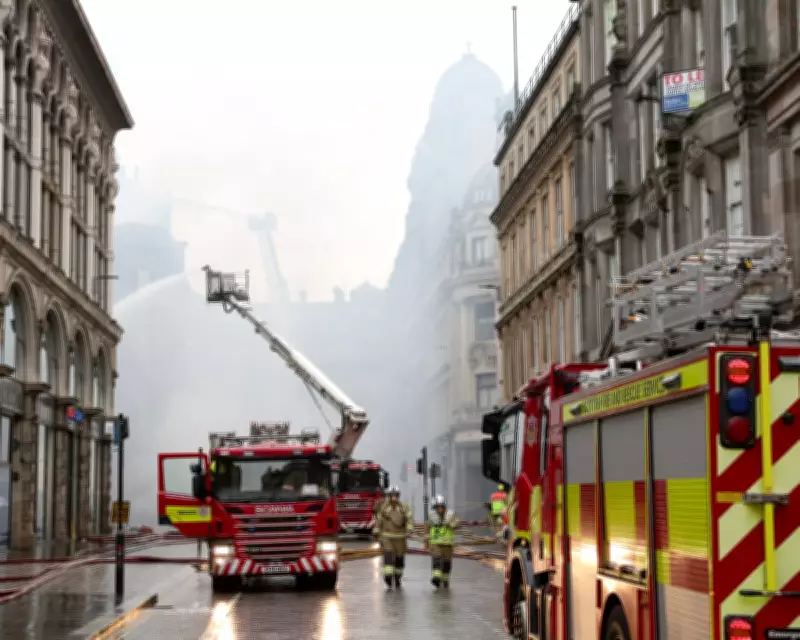
Firefighters worked tirelessly to extinguish the remnants of a large fire near Glasgow Central station on Monday, a scene that has become all too familiar for residents of the city. The blaze, which broke out on Sunday afternoon, caused significant rail disruptions and evoked memories of previous devastating fires, such as those at the Glasgow School of Art's Mackintosh building in 2014 and 2018.
This latest incident underscores a growing concern: the vulnerability of Glasgow's Victorian-era architecture to fire and neglect. In recent years, the city has witnessed several such events, including the collapse of B-listed tenements in Pollokshields last summer and a derelict building blaze in Carlton Place in 2024.
Architectural Heritage at Risk
Architect and critic Rory Olcayto emphasized the brutal reality facing Glasgow. "Yesterday's fire looks like a tragic accident, but it highlights that Glasgow's historic architecture is extremely vulnerable," he stated. Olcayto warned that until the city treats its built fabric as integral to its social fabric, these crises will persist. He noted that too many decision-makers still view caring for people and preserving buildings as mutually exclusive goals.

However, there are signs of progress. The city council has begun investing in fortifying heritage structures, such as converting long-abandoned B-listed tenements in the west end into affordable homes. This demonstrates that Glasgow can simultaneously address social needs and protect its historical assets.
Proactive Measures and Challenges
Opposite the fire site, the Egyptian Halls—an A-listed commercial space designed by Alexander "Greek" Thomson—has stood empty for 15 years. Recently, the council has moved to use compulsory purchase powers alongside a developer to renovate it for restaurants and hotel use. This is part of a broader effort to revitalize the city centre, which has been hollowed out by declining footfall, the rise of online shopping, and stalled renovations due to inflation and high interest rates.
Currently, 143 buildings in Glasgow city centre are on Historic Environment Scotland's "at risk" register. In response, the council established a built heritage commission two years ago to manage and restore vacant and derelict properties. The upcoming Commonwealth Games this summer are expected to draw global attention, potentially galvanizing further action.
Ownership and Safety Concerns
Niall Murphy, director of Glasgow City Heritage Trust, pointed out that building maintenance is primarily the responsibility of owners, not just the council. "Everyone assumes this is a council problem. In actual fact, it's the owners of the building—they're the ones who are meant to be maintaining it," he explained. The trust is working to shift the culture from reactive to proactive maintenance of historical buildings.
Murphy highlighted the city's challenge: with 3.3 million square feet of vacant commercial space, nearly 30% is in pre-1919 buildings like the one that burned. These structures are costlier to convert into housing and often lack proper compartmentalization between shops and upper floors, increasing fire risks.
Investigating the Fire's Cause
While the initial cause of the Glasgow Central fire remains unclear, experts suggest lithium-ion batteries in a vape shop where the fire may have started could be a factor. Professor Guillermo Rein from Imperial College London noted that such batteries can lead to fires that are unusually resistant to suppression due to intense heat and reignition tendencies. "This may not have been a conventional shop fire," he said, explaining why even well-equipped fire services faced difficulties.
Scottish Labour MSP Paul Sweeney, a longtime advocate for Glasgow's heritage, called for stricter safety protocols for pre-1900 buildings, referencing the art school fire as another example of high-risk materials in historical settings.
As Glasgow continues to grapple with these issues, the fire at Central station serves as a stark reminder of the urgent need for enhanced safety measures and proactive preservation efforts to safeguard the city's architectural legacy.