The Faux Flower Revolution: From Tacky to Tasteful
I once viewed faux flowers with disdain, associating them with hairdressing salons, budget hotels, and that one relative who'd proudly display a garish purple orchid resembling Duplo bricks. They seemed joyless and unmistakably fake, whereas real flowers symbolized self-respect and refined taste. However, a remarkable transformation is underway as high-end artificial florists execute a convincing rebranding effort.
The Rise of Premium Artificial Florists
Brands like Fake It Flowers, favoured by interior designer Katherine Pooley and luxury wallcovering company de Gournay, are leading the charge. Swedish brand Ett Hem supplies 'forever flowers' to Buckingham Palace, while Pottery Barn's stems grace luxury hotels. No longer plastic tat, faux flowers now belong in upscale shops adorned with wafty linen curtains and expensive candles.
Advanced Materials and Realistic Designs
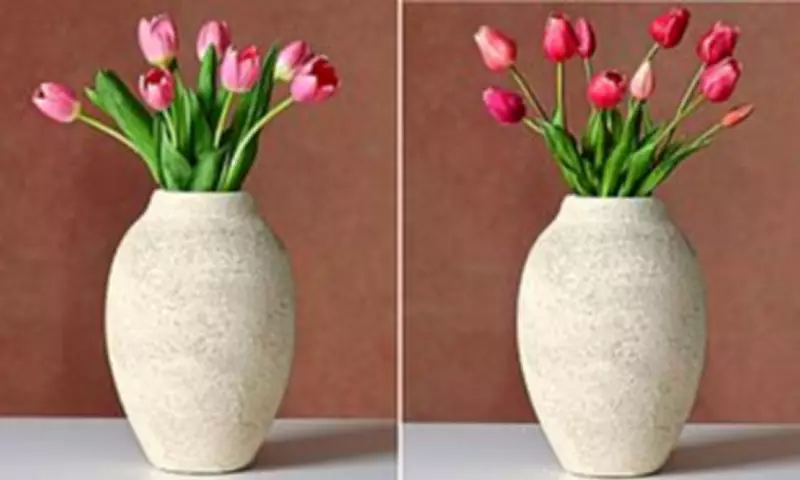
Distinguishing faux from real has become increasingly challenging. Modern versions utilize premium silks, polyesters, natural rubbers, and real-touch foam—a blend of polyurethane and special latex coatings that feel cool to the touch. These materials absorb dye effectively, creating natural gradients that mimic real petal tones. Additionally, leaves that bend and artfully wonky stems suggest they were plucked from a Cotswold garden rather than a factory in Croydon.

Expert Opinions and Divided Views
Even gardening expert Alan Titchmarsh has softened his sceptical stance, advising in a Gardeners' World column: 'Don't be a snob about faux flowers. Garden centres sell everything from faux peonies to delphiniums and roses, lupins and lilies. They are undeniably beautiful and will also last for years.'
Yet, not everyone is convinced. YOU's deputy digital editor Charlotte Vossen remains critical, stating: 'I genuinely don't understand the appeal of faux flowers. Real ones smell better, look better and actually bring something to a space.' She also highlights that faux flowers are excellent dust collectors, requiring cleaning every couple of weeks.
Practical and Financial Benefits
Features writer Maddy Fletcher praises her convincing faux tulips from TK Maxx, purchased two years ago for £10 for seven stems. She notes: 'Everyone is fooled by them. I think it's because they're rubber. They feel sturdier, which is more realistic than the usual silk.'
The financial appeal is significant. Finding a decent bunch of fresh flowers for under £10 is increasingly rare, with long-stemmed roses from Waitrose costing £10 for five stems and hydrangeas reaching £15 per stem. Fresh flowers often last only 48 hours before declining, whereas faux flowers are a one-off purchase displayed indefinitely.
Environmental Considerations
An estimated 45% of cut flowers in the UK go to waste before reaching consumers—damaged, discarded, or past their fleeting prime. Many are flown in, with 80% sourced from the Netherlands, and wrapped in plastic upon arrival. Faux flowers, though made from plastics, offer sustainability through years of reuse and lower transport emissions, as durable goods can be shipped by sea rather than air.
The Verdict: A Balanced Floral Approach
The solution may not be choosing sides rigidly but striking a thoughtful balance. Use fresh flowers for occasional indulgences when fleeting fragrance is desired, and faux flowers for easy, everyday decor. Mixing both types can add volume and versatility to your arrangements. Ultimately, faux flowers provide a low-effort upgrade for those who struggle with plant care or lack natural daylight, requiring only occasional dusting without guilt.