Heatwave Havoc: UK Renters' Rights to Air Conditioning Explained
Do UK Landlords Have to Provide Air Conditioning?

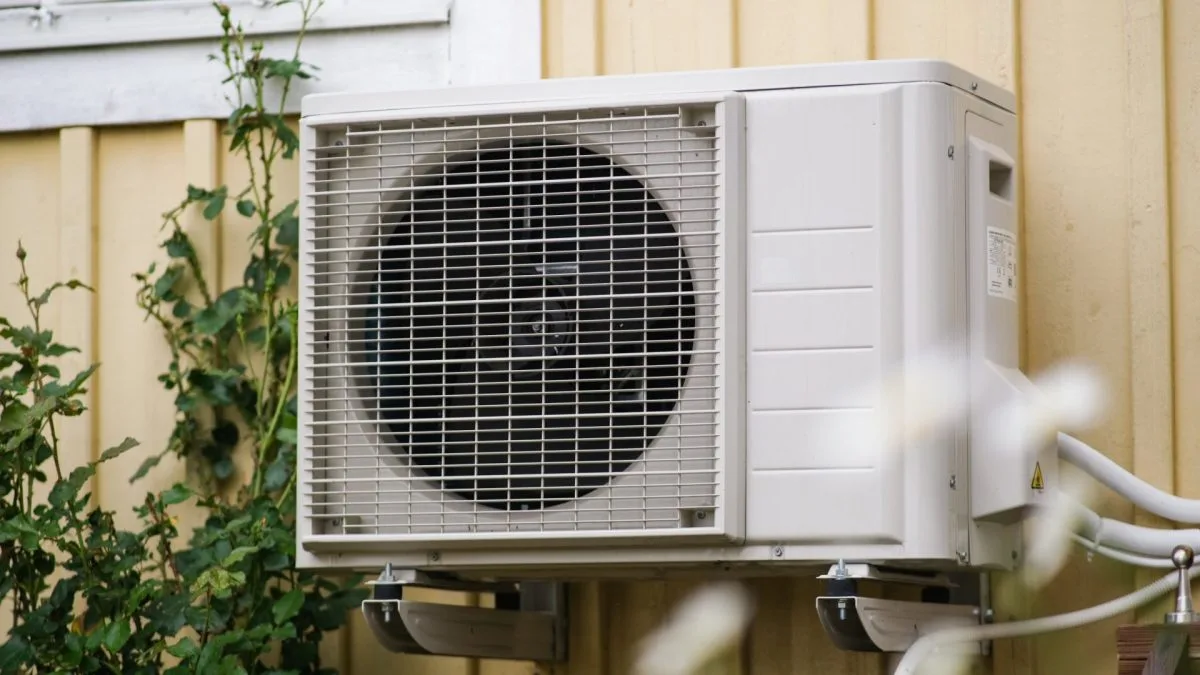
As millions across the UK brace for increasingly common and oppressive heatwaves, a critical question simmers for those in rental accommodation: is a landlord legally required to provide air conditioning? For homeowners, the decision to install cooling systems is their own, but for tenants, the situation is far less clear-cut and often hinges on local regulations and the specific terms of a tenancy agreement.

The Legal Landscape: A Cooling Postcode Lottery

In the vast majority of UK jurisdictions, there is no explicit legal mandate forcing landlords to install air conditioning units, even in regions prone to high summer temperatures. However, the overarching requirement is that a rental property must be maintained in a "habitable" condition. The interpretation of this term can become a pivotal point of discussion during extreme weather events.

Sam Galer, a spokesperson for a residential tenancy authority, highlighted the importance of communication. He advised that tenants lacking this modern comfort should proactively engage their landlord about the possibility of installation. "It will be an ongoing issue for future tenants," he noted, suggesting that framing it as a long-term investment for the property could provide motivation for the owner.

Navigating Disputes and Minimum Standards

If a property becomes unbearably hot, potentially breaching the implied covenant of quiet enjoyment or the habitability clause, renters do have avenues for recourse. Mr. Galer pointed out that tenants could potentially apply to a First-tier Tribunal (Property Chamber) for a breach of agreement, seeking an order that requires the landlord to make the property fit for human habitation.

He also offered pragmatic advice for those searching for a new home: "Appreciating it is a competitive rental market, we encourage people to make sure the property they're trying to rent is suitable for their needs." This underscores the importance of viewing properties with future heatwaves in mind and negotiating terms before signing a lease.

A State-by-State Comparison of Cooling Rules

While the UK's approach is generally unified, examining the regulatory patchwork in Australia, a country with similar climate challenges, offers instructive parallels. For instance, Victoria has introduced some of the strictest standards, mandating a fixed heater in the main living area and, from 1 March 2027, requiring an electric cooling system in the same area for all new leases.

Other regions take a different stance. New South Wales and Queensland do not deem air conditioning essential, leaving it to tenant-landlord negotiation. Tasmania requires a heater but not cooling, while Western Australia emphasises insulation. The Australian Capital Territory and South Australia have no specific cooling mandates, despite facing regular heatwaves.

This comparative view highlights that legislative change is possible. In the UK, as temperatures rise, the definition of a "habitable" home may evolve to explicitly include adequate cooling, mirroring the long-standing requirements for heating. For now, the power largely rests in negotiation, careful lease scrutiny, and understanding one's rights when a home becomes a heat trap.




