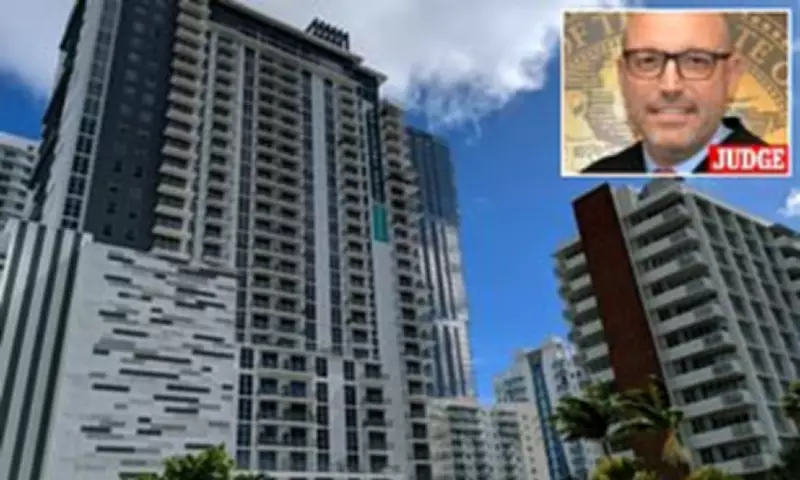
Florida Developer Ordered to Rebuild Waterfront Condo After Illegal Bylaw Change
A Florida developer has been ordered to rebuild a waterfront condominium tower after a judge ruled it illegally changed the building's bylaws to push through a redevelopment project. Real estate firm Two Roads Development was instructed to restore Miami's upscale Biscayne 21 property, even after having already begun demolition work on the site.
Judge Rules Developer Improperly Lowered Approval Threshold
Miami–Dade Judge Thomas Rebull ruled in January that the developer improperly lowered the condo termination requirement from 100 percent owner approval to just 80 percent to advance the project. This controversial move allowed Two Roads Development to proceed with plans to demolish the existing structure and replace it with a luxury tower developed in partnership with Marriott International's Edition hotels brand.
Ten unit owners who refused buyout offers from the South Florida firm sued to prevent the building from being torn down. These holdout owners first filed their lawsuit in May 2023, arguing that the developer's actions violated established condo association rules and Florida law.

Costly Rebuilding Process Ordered
Rebuilding Biscayne 21 is now expected to cost approximately $65 million, according to a Bank OZK report cited by the Wall Street Journal. The developer has been ordered to restore all utilities, including air conditioning and electricity, and return the building to its previous condition as it existed when the lawsuit was initially filed.
Judge Rebull specifically instructed Two Roads Development to "take all steps" necessary to return the condo to its pre-lawsuit state. This represents a significant reversal for the developer, which had already paid about $150 million in 2022 to acquire most of the waterfront property's units and was expected to spend about $2.9 million on demolishing the building, which has stood since 1964.
Residents Determined to Return Home
One of the residents who sued expressed his determination to move back into the unit he purchased for $272,000 in 2012. "I had no desire to sell it, and I still don't want to sell," Robert Murphy told reporters. "I hope to go back there soon."
Attorney Glen Waldman, representing the holdout owners who refused buyouts, emphasized that "this is where a number of our clients wanted to live out the rest of their lives." Waldman maintained that Biscayne 21 remained in "excellent shape" despite the developer's allegations to the contrary.
Developer Files Countersuit
Two Roads Development has responded by filing its own lawsuit in Miami–Dade Circuit Court against the residents who blocked the reconstruction plans. The developer alleges that "longstanding issues" make it unfeasible to return the building to its previous state.
Managing partner Taylor Collins argued that terminating the condo association would be the "most responsible and practical path" instead of repairing the building. If this lawsuit succeeds, the developer would not have to carry out the court-ordered repairs and could potentially continue with demolition plans.
Ongoing Real Estate Market Pressures
Despite the court order to repair the condo tower, units for the new luxury project continue to be marketed and sold. Two Roads Development currently owns 183 of the building's 192 units and stated it would "strictly follow Florida laws in this matter" while still aiming to reach "a settlement agreement with the remaining holdout owners at Biscayne 21" to move the project forward.
Waldman dismissed the developer's countersuit as a "last–ditch effort" and a "non–event," suggesting it represented a desperate attempt to avoid the costly rebuilding requirements. The attorney noted that the building "remains vacant and non–habitable" according to the developer's own statements, and any future reconstruction would require professional review and owner approval under the condo declaration.
Even if buyouts are eventually agreed upon, the homeowners would face the challenge of competing in Miami's increasingly expensive real estate market. Condo sales in the city increased by approximately eight percent year-over-year in 2025, according to Miami Realtors data, making relocation potentially difficult for residents who have owned their units for years.