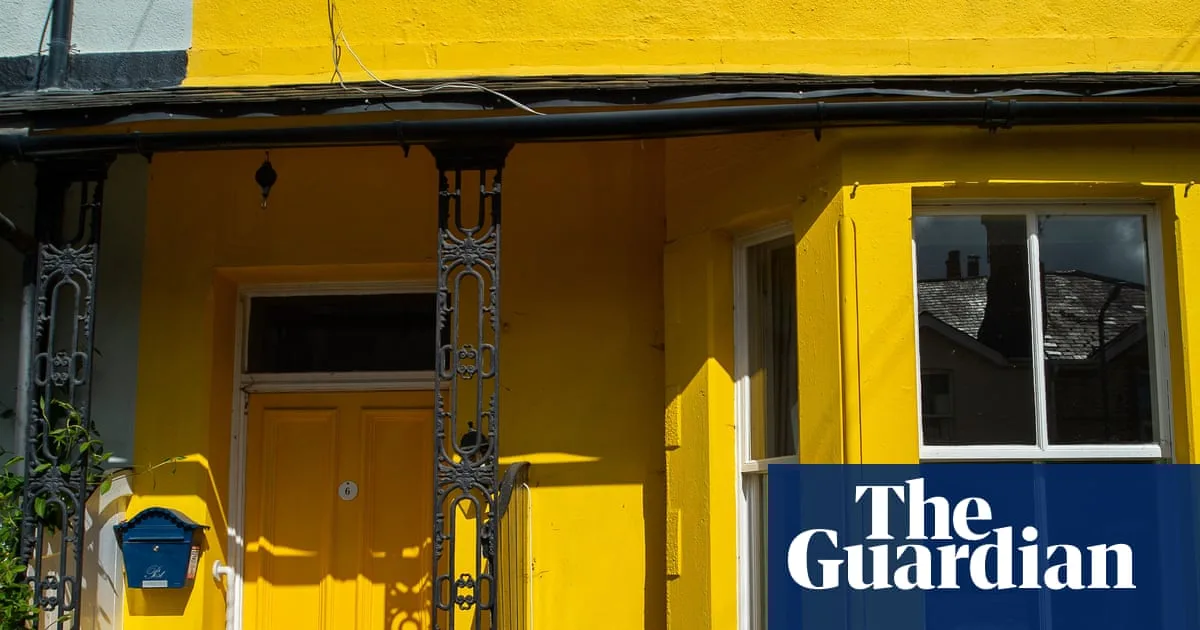
Prime Countryside Property Values Plummet Amid Middle East Conflict and Mansion Tax Fears
Countryside Home Values Fall £365k Amid War and Tax Plans

Prime Countryside Property Values Experience Sharp Decline

The value of Britain's most expensive countryside homes has suffered a significant downturn, with average prices falling by 7.8% to £4.3 million over the past year. According to data from estate agents Savills, this represents a substantial decrease of £365,000 when comparing the first three months of 2025 to the same period this year.

Defining Prime Properties and Countryside Homes

Estate agents classify 'prime' properties as those within the top five to ten percent of the market, typically commanding prices exceeding £1 million. Countryside homes, often larger and situated in desirable rural locations, frequently enter the market with price tags starting at £2 million. Savills describes these properties as detached homes with traditional Victorian or Georgian architecture, offering private, walled gardens that provide an escape from urban life.

Multiple Factors Driving Market Volatility

The sharp decline in prime countryside property values coincides with several significant economic and geopolitical pressures. The Bank of England has warned of 'intense volatility' in the market as mortgage rates continue to climb. Policymakers estimate that approximately one million homeowners are already facing increased mortgage payments due to banks raising rates in response to ongoing conflicts.

Wide Pickt banner — collaborative shopping lists app for Telegram, phone mockup with grocery list

Geopolitical tensions in the Middle East have contributed substantially to this economic uncertainty. The conflict has escalated with Iran threatening 'devastating and widespread' retaliation against the United States after President Donald Trump vowed to target Tehran's power plants. The strategic Strait of Hormuz, a crucial global waterway, has remained effectively closed since hostilities began on February 28, further disrupting international markets.

Labour's Proposed Mansion Tax Adds to Uncertainty

Shadow Chancellor Rachel Reeves's controversial 'mansion tax' proposal has created additional apprehension among high-value property owners. Scheduled for implementation in April 2028, this policy would impose an annual charge of up to £7,500 on homes valued over £2 million, with the exact amount depending on property value.

Official studies suggest this punitive tax could affect approximately 165,000 properties nationwide. The Office for Budget Responsibility forecasts that up to 50,000 households might struggle to meet this charge from their annual income, potentially forcing around 5,300 families to sell their homes and relocate to more affordable areas.

Specific Impacts on Countryside Properties

Estate agency Connells Group indicates that over half of country homes measuring between 7,000 and 8,000 square feet could become liable for the mansion tax. For properties exceeding 10,000 square feet, this figure rises dramatically to 94 percent. Nick Maud of Connells Group explains that combined with frozen inheritance tax thresholds, the prospective mansion tax has introduced additional financial considerations for high-value country property owners.

'The intense, months-long speculation around tax changes in last year's Budget stoked an atmosphere of caution across prime housing markets, and the more recent conflict in Iran threatens to do the same,' Maud stated, noting that property sales have become 'highly sensitive' to broader economic and political developments.

Market Analysis and Future Outlook

Frances McDonald of Savills observed that countryside properties experienced 'some of the steepest price corrections' during the past year, particularly amid uncertainty surrounding the Chancellor's Budget last November. 'Demand softened throughout 2025, especially in second-home hotspots where pandemic-era price growth has been steadily unwinding, placing sustained downward pressure on values,' she explained.

Although prices showed signs of stabilization toward the end of last year, this positive trend proved short-lived as mortgage rates continued their upward trajectory due to ongoing economic disruption. McDonald noted that improved market sentiment 'risks being short-lived as mortgage rates climb in response to economic disruption,' adding that 'the total impact will ultimately depend on the length of the conflict.'

Pickt after-article banner — collaborative shopping lists app with family illustration

In the immediate future, a smaller pool of committed buyers may seek to capitalize on reduced competition and available value. However, McDonald cautioned that 'sellers this spring and summer will need to stay realistic on pricing,' concluding that 'current evidence suggests the long-anticipated recovery in the prime market will take longer than expected to gain momentum.'

Broader London Market Trends

The downturn extends beyond countryside properties, with prime central London real estate also experiencing declines. Average sale prices in these areas fell by nearly five percent to £4.5 million during the same period. Meanwhile, properties in London's outer regions saw values drop by almost two percent to £1.8 million.

This comprehensive market shift reflects the complex interplay between geopolitical instability, economic policy uncertainty, and changing post-pandemic lifestyle patterns that have collectively reshaped Britain's luxury property landscape.




