

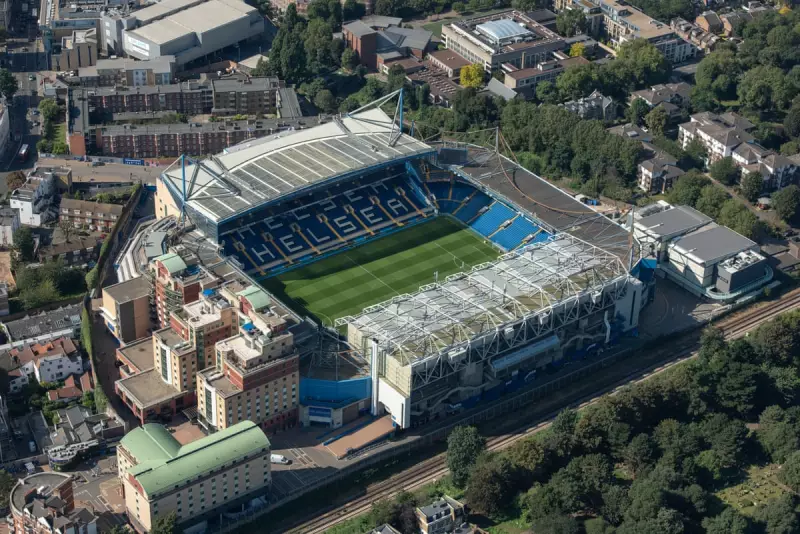
Chelsea Football Club has been issued a stark ultimatum to "put up or shut up" regarding its potential move to a new stadium at Earl's Court, following a major planning decision that has reshaped the battle for the prime West London site.
Rival Plan Gains Crucial Approval
The club's ambitions have hit a significant new obstacle after the Earls Court Development Company (ECDC) saw its alternative vision for the area unanimously approved. Kensington and Chelsea council granted planning permission on Tuesday for the ECDC's £10 billion housing and retail scheme, which notably does not include a football stadium. This follows a similar unanimous green light from Hammersmith and Fulham council last month.
Despite this setback for Chelsea, sources close to the situation insist it does not definitively end the possibility of a move. The club, whose owners recognise the current Stamford Bridge capacity of 40,343 is insufficient, has held preliminary talks with various stakeholders controlling the future of the 44-acre site. These include Transport for London, the real estate developer Delancey, and the Dutch pension fund APG.

Political and Financial Hurdles Mount
The overwhelming local political support for the ECDC's plan, which faced no opposition at either council meeting, creates a steeper climb for Chelsea. A key figure in London politics stated it was time for the club to make its intentions clear. The value of the land is now estimated to have risen to between £500m and £750m with planning permission secured.
While the ECDC currently lacks the financial backing to begin construction, the permission makes government support or investment from private companies and sovereign wealth funds far more likely. This could force Chelsea into a costly auction against deep-pocketed international developers for one of London's most lucrative real estate opportunities.
Chelsea has identified the Lillie Bridge depot as its preferred spot for a new stadium within the Earl's Court area. However, there is frustration among some parties that the club did not make a formal, public bid for the site before the rival plans were approved.
Stamford Bridge Redevelopment: A Complex Backup Plan
Should the Earl's Court move falter, Chelsea's other primary option is redeveloping its historic home. The club has not ruled this out and took a preparatory step by purchasing a 0.48 hectare site adjacent to Stamford Bridge from the veterans' charity Stoll.
However, this path is fraught with difficulty. A stand-by-stand rebuild is considered unattractive, while a complete demolition could force the team to play at a temporary home for up to seven years. A major complication is the stadium's location next to a railway line.
Club executives view a move to Earl's Court as the most realistic solution for securing a bigger ground, citing a lack of other available sites in West London. The risk of inaction is falling behind rival clubs with larger, more modern stadiums that offer greater corporate and entertainment revenue.
Chelsea's ownership, led by Todd Boehly and Clearlake Capital, has made a bigger stadium a key priority, but internal tensions have been cited as an obstacle to progress. The club now faces a narrowing window to act before construction contracts for the ECDC plan are finalised.
Any permanent move away from Stamford Bridge, where Chelsea have played since 1877, would also require a deal with the Chelsea Pitch Owners group, which holds the stadium's freehold. The club has stated it will seek CPO approval before bidding for land elsewhere.






