

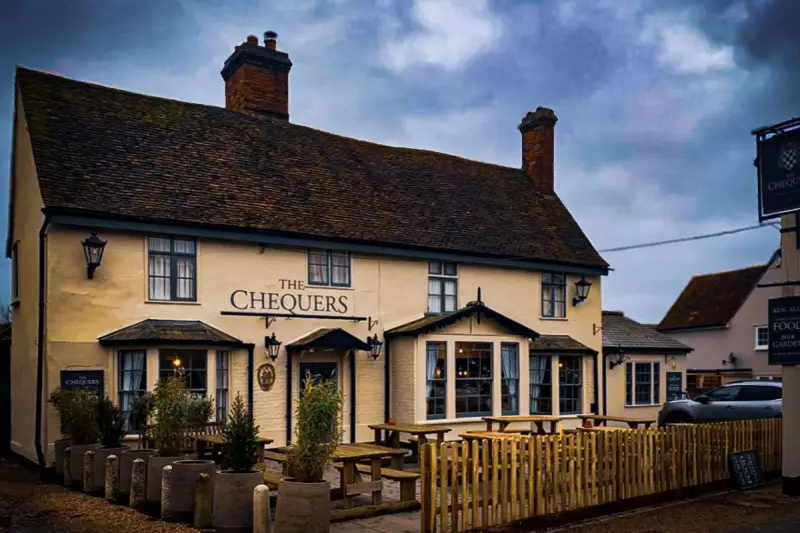
Pub leaders across the United Kingdom are sounding the alarm, warning that the recent Budget decisions pose a direct threat to thousands of jobs and the very survival of community venues.
What the Budget Changes Mean for Business Rates
The government confirmed in the Budget that the current 40% discount for retail, hospitality, and leisure businesses will end on 31 March 2026. This relief was previously capped at £110,000 per business. From the next financial year, it will be replaced by a new system where rates multipliers for these sectors are set 5p lower than the standard rate, with no cap on support.
Stark Financial Reality for Pubs and Restaurants
Despite the government's new formula, analysis from tax firm Ryan indicates that the change, coupled with increased rateable values for most pubs, will lead to a dramatic surge in costs. The analysis reveals that the average pub will see its bill rise by 65.9%, jumping from £9,264.93 this financial year to a staggering £15,373.59 for 2026/27.

The situation is similarly bleak for other high street staples. Restaurants are projected to face a 44.9% increase in their rates bills from April, while small shops will contend with a rise of approximately 42.3%.
Industry Leaders Voice Their Dismay
Chris Jowsey, chief executive of Admiral Taverns, did not mince words. He stated that the sector is facing more pressure after enduring "relentless headwinds" over the past year. "The reality of Wednesday’s Budget is that Reeves has placed an even bigger burden on the shoulders of community pubs," he said. "This poses further risk to our industry, threatening both jobs and the viability of our beloved pubs across the country."
Nick Mackenzie, Greene King chief executive, expressed profound disappointment, noting that pubs were "crying out to be backed by the Government." He highlighted that the failure to deliver sufficient support on business rates leaves pubs with little room to invest, create jobs, and drive local economies.
Pub bosses also pointed to the compounding effect of a higher minimum wage and an inflation-linked increase to alcohol duty, which collectively make the cost of running a pub more expensive than ever before operations even begin.






