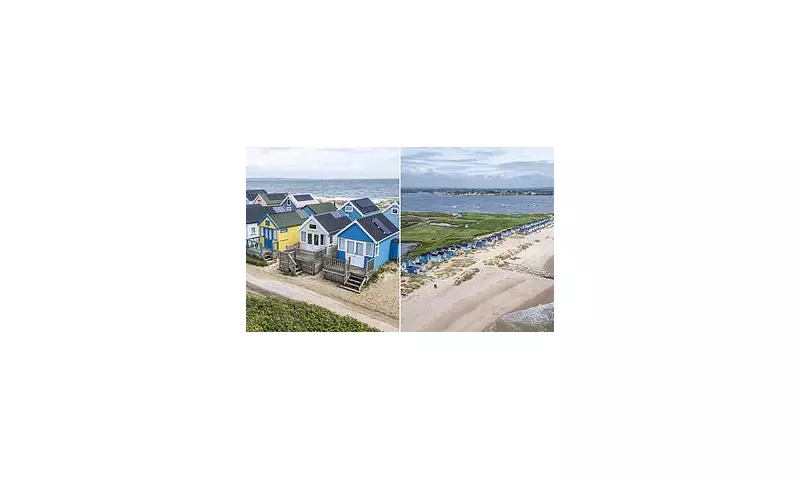
Owners of some of Britain's most exclusive beach huts have accused their local council of treating them like "wealthy NIMBYs" after being ordered to pay full council tax on the properties, which they argue are little more than wooden sheds.
Council Scraps Historic Tax Discount
From April, 344 beach huts along the idyllic Mudeford Spit and Hengistbury Head in Dorset will be officially reclassified as second homes. This move by Bournemouth, Christchurch and Poole (BCP) Council ends a longstanding arrangement where the huts were not categorised as such, granting owners a 50 per cent discount on their council tax bills.
The change means owners will now be placed in council tax band A, facing annual bills of £1,503 – an increase of more than £60 per month. The council expects to raise an additional £211,000 for local services from this measure alone.

'A Wooden Shed': Owners Threaten Legal Action
The hut owners are furious, arguing the levy is unjust given the huts' limited facilities and usage. The sought-after timber cabins can only be slept in for six months of the year and lack basic amenities like toilets, running water, or mains electricity.
Darren Pidwell, Chairman of the Mudeford Sandbank Beach Hut Association, stated they are considering legal action. "We are considering the legal basis for the application of council tax on what is a wooden shed with no mains connections or individual toilet facilities," he said.
Owners feel they are being unfairly targeted by a cash-strapped authority. Over half of the hut owners (231 out of 344) do not live in the local area, a fact critics may use to paint them as absentee second-home owners.
Luxury Huts Versus Council Finances
The council's decision highlights a stark contrast between the huts' premium value and the authority's dire financial straits. Despite their modest size of just 13ft by 16ft, these beach huts command staggering prices, often selling for between £400,000 and £575,000.
This far exceeds the average house price of £313,000 in the Bournemouth, Christchurch and Poole area. One hut reportedly sold for £430,000 last year, having been bought for £60,000 in 1997.
Councillor Mike Cox, Cabinet Member for Finance, defended the move, citing an "unprecedented, ongoing financial crisis." He argued the change delivers "fairness and consistency for all owners of second homes in the area" and that the extra demand placed on services like beach cleaning and flood protection must be funded.
The council insists the tax bill is "relatively small" compared to the huts' value, but for owners, it represents a significant new cost for a property with severe limitations, tearing up a historic tax arrangement and sparking a major local dispute.