

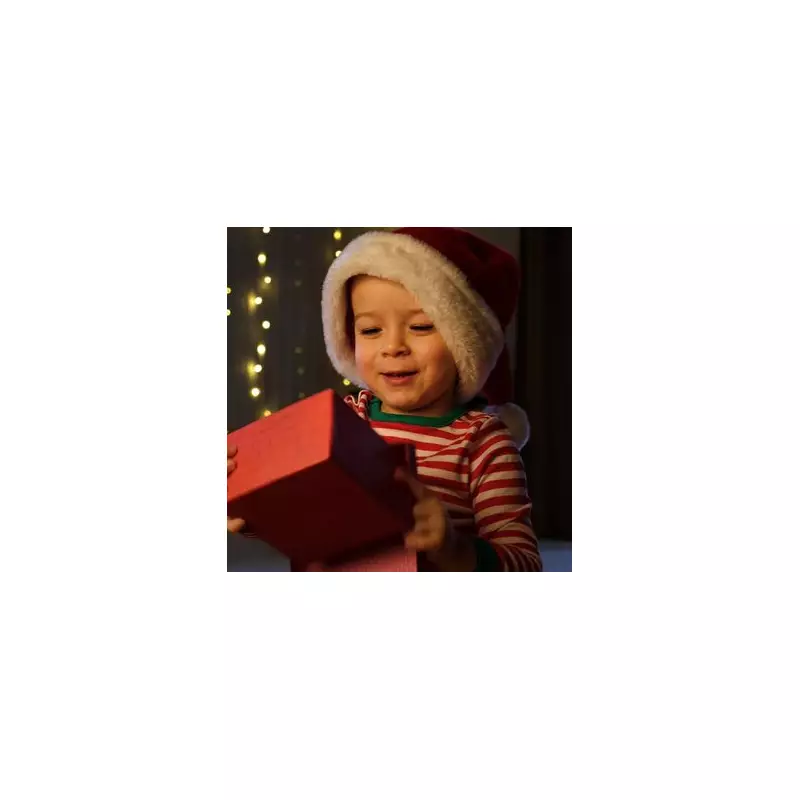
A stark new figure has laid bare the scale of the housing emergency facing the youngest in our society. More than 172,000 children across the United Kingdom will wake up on Christmas morning without a permanent home, living instead in temporary accommodation.
The Unseen Reality of Temporary Living
For housing campaigner Kwajo Tweneboa, this statistic is a personal call to action. He emphasises that this is not a short-term problem for these children. Many will spend not just a night or a weekend in this situation, but for months, years, and in some tragic cases, for their entire childhoods.
We have, he argues, become dangerously accustomed to discussing this reality as if it were normal. The conditions are far from acceptable. Children are growing up in single rooms with their siblings, eating meals on beds due to a lack of furniture, and sharing bathroom facilities with strangers. Behind closed doors, they listen to their parents' quiet panic about where they will be sleeping the following month.

While some label this a housing crisis, Tweneboa challenges this term. A crisis suggests a sudden, unexpected event. What is happening across the country, he contends, is a systemic failure that has been allowed to develop and worsen in plain sight.
A Campaign for Direct Action
Having visited these families and seen the mould, the leaks, and the lack of basic furnishings, Tweneboa is driven by a single question: how did we let it get this bad? He recalls children who feel too embarrassed to invite friends over, ashamed of their living conditions.
It is not enough, he states, to blame stretched systems, council budgets, or government policy. Behind every excuse is a child facing a Christmas in a place they should never have been. While the nation celebrates, thousands of young people will be in converted offices, bed and breakfasts, hostels, and so-called temporary flats that have become anything but.
This is the motivation behind his GoFundMe campaign, '172,000 Reasons to Give'. Launched to ensure these children are not forgotten during a season of generosity, the initiative sends every pound donated, after transaction fees, directly to children in the form of gift cards. This direct approach allows parents to choose something personal and meaningful for their child, bypassing bureaucracy and delays.
Refusing to Normalise the Unacceptable
Tweneboa is working with schools in areas with high levels of homelessness to ensure the support reaches the families who need it most. A donation of just £30 can provide a gift for one child – a small amount for many, but a huge gesture for a child in temporary accommodation, signalling that someone cared enough to ensure they were not left out.
Ultimately, the campaign is about more than presents. It is a collective refusal to look away from a national scandal. It challenges the normalisation of a situation that should be unthinkable in a modern society. If we cannot yet guarantee every child a safe and stable home, the very least we can do is remind them that they matter.
You can support the campaign here: https://www.gofundme.com/f/172000-reasons-to-give. Donating or sharing the campaign link can make a tangible difference. There are 172,000 reasons to act, but it only takes one person to start.






