
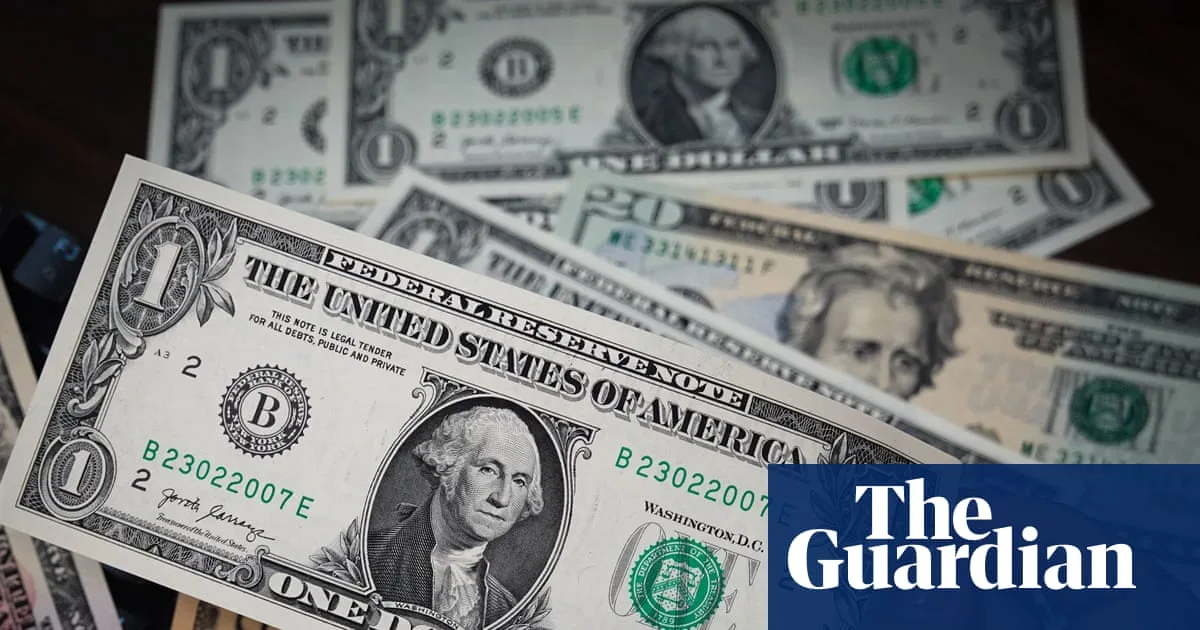
The US dollar has suffered its worst first half-year in more than 50 years, falling 10.8% against a basket of currencies since the start of 2025. This marks the steepest decline for the first six months of any year since 1973, and the worst half-year overall since the second half of 1991.
The sell-off has pushed the dollar index to its lowest level since March 2022, while the pound has risen to a three-year high of $1.37, up from $1.25 at the start of the year. Analysts attribute the decline to concerns that President Donald Trump's economic policies, including tariffs and a large budget bill, threaten the safe-haven status of US dollar-denominated assets and could drive national debt higher.
Rising expectations of US interest rate cuts have also weighed on the dollar, as Trump has repeatedly criticised Federal Reserve Chair Jerome Powell for not lowering borrowing costs. Traders are now betting on multiple rate cuts, according to Chris Iggo of Axa IM Investment Institute.
Stock markets have experienced a turbulent first half, with the S&P 500 dropping 10% in early April after Trump's 'Liberation Day' tariffs, before rebounding to a record high by the end of June. This was only the third time in 100 years that the index has fallen 10% and recovered to a gain within the same quarter, according to Bloomberg.
Despite the rebound, US markets have lagged behind European peers. The S&P 500 has gained only 5% in 2025, compared with 7% for the pan-European Stoxx 600, 7.2% for the FTSE 100, and 20% for Germany's Dax. The UK has been one of the best-performing regions globally for investors in the first half of 2025.




