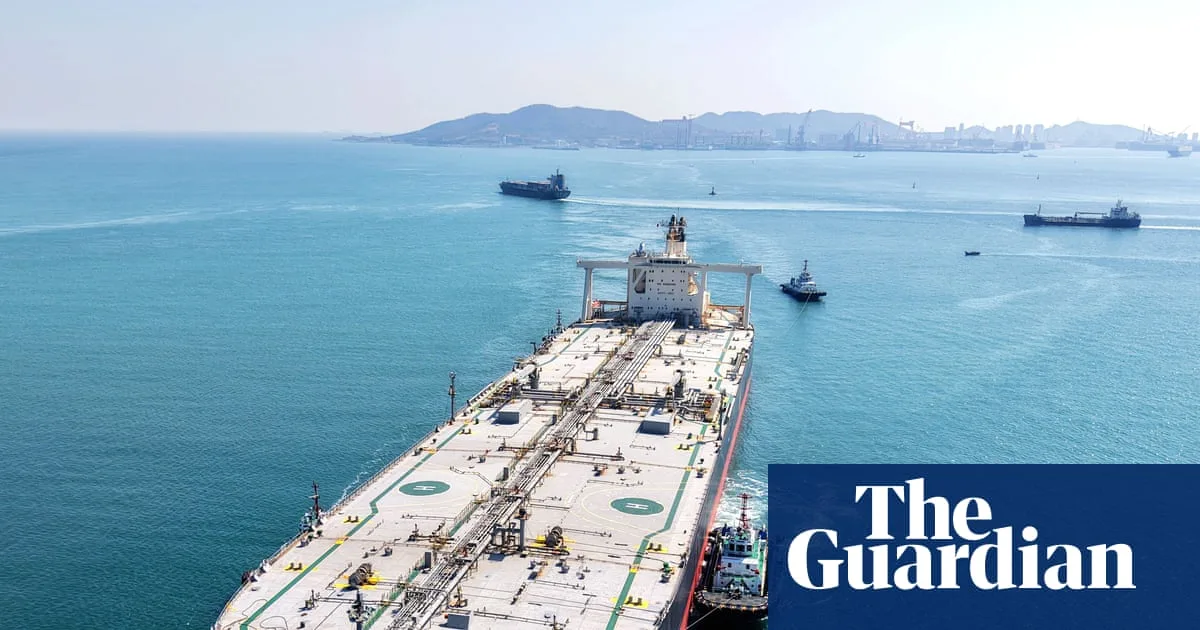
Oil prices have surged dramatically to their highest levels since 2023, driven by the escalating conflict in Iran, while U.S. stock markets experienced significant declines, compounding investor anxieties over the economy's fragile state.
Market Turmoil as Oil Spikes Above $90 Per Barrel
The price of U.S. crude oil jumped by 12.2% to settle at $90.90 per barrel, marking the first time it has topped $90 since the autumn of 2023. Similarly, Brent crude, the international benchmark, shot up 8.5% to $92.69, briefly rising above $94 to touch its highest point since September 2023. This sharp increase in oil prices is directly linked to the ongoing war in Iran, which has disrupted global supply chains and heightened geopolitical tensions.
Stock Market Declines Amid Economic Uncertainty
Concurrently, U.S. stock indices faced substantial losses. The S&P 500 dropped by 1%, while the Dow Jones Industrial Average fell 425 points, or 0.9%, with roughly an hour left in trading. The Nasdaq composite also declined by 1.1%. These drops were exacerbated by a weak update on the U.S. labour market, which highlighted the economy's precarious position and raised fears of stagflation—a scenario where economic stagnation coincides with high inflation.
Stagflation Fears Intensify for Investors
The combination of soaring oil prices and a negative U.S. payrolls report has intensified investor concerns about the risk of stagflation. This economic condition poses significant challenges, as it limits the Federal Reserve's ability to implement monetary policies effectively. Rising oil prices complicate the Fed's capacity to cut interest rates to stimulate economic growth without further fuelling inflationary pressures, creating a delicate balancing act for policymakers.
Broader Implications for Global Markets
The surge in oil prices and subsequent stock market volatility underscore the interconnected nature of global economic events. As the Iran war continues to rage, markets remain on edge, with analysts warning of potential further disruptions. Investors are closely monitoring developments, as any escalation could lead to additional price spikes and economic instability, affecting everything from consumer costs to corporate profits worldwide.






