ASX Plunges $40bn as Middle East Conflict Rattles Global Markets
ASX Plunges $40bn Amid Middle East Conflict

Australian Sharemarket Suffers Sharp $40 Billion Plunge

The Australian sharemarket opened sharply lower on Friday, tumbling 1.4 per cent and erasing approximately $40 billion in value. This significant drop was driven by escalating geopolitical tensions in the Middle East, which have severely rattled global financial markets. The benchmark ASX 200 index has now slumped more than 4 per cent since the onset of the conflict, marking a concerning downward trend for investors.

Potential for Worst Weekly Decline Since 2022

If the current weekly decline holds, it would represent the worst performance since May 2022. At that time, a 4.2 per cent fall was triggered by a surprise interest rate rise from the Reserve Bank of Australia. Concurrently, surging bond yields have shifted expectations for monetary policy, with investors now pricing in more than two additional RBA rate hikes before the end of the year.

Kyle Rodda, a senior market analyst at Capital.com, highlighted the increased risks in a statement to the Australian Financial Review. He warned, "The risk of an ongoing and intensifying supply shock that heavily disrupts energy markets and leads to higher inflation and weaker economic growth has risen." Should the RBA implement two further 0.25-point rate increases, Canstar estimates this would add roughly $180 per month to repayments on a $600,000 mortgage with 25 years remaining.

Wide Pickt banner — collaborative shopping lists app for Telegram, phone mockup with grocery list

Global Market Reactions and Oil Price Surge

On Wall Street, the S&P 500 slipped 0.6 per cent, bringing its total decline since the conflict began to just under 1 per cent. Meanwhile, oil prices have continued to climb higher. This surge follows Iran's denial of rumours that its officials sought de-escalation through diplomatic backchannels, coupled with reports of fresh Iranian air strikes on Israel.

Iran has effectively shut down commercial traffic through the critical Strait of Hormuz. This narrow shipping corridor carries around 20 per cent of global oil trade. The closure has been enforced using a combination of drone strikes and explicit military threats to deter vessels, despite sustained US strikes on Iranian naval assets.

In response, former US President Donald Trump announced a plan to insure tankers and escort them through the strait, though this initiative has yet to be implemented. According to IG market analyst Tony Sycamore, US promises have done little to stem surging crude prices, though markets were initially lending some credence to talk of de-escalation.

"They've been absolutely pummelled and it certainly makes sense to put the feelers out to find where the off-ramp or de-escalation point is," Sycamore remarked. "And if you were part of the regime which reached out to find out where the US is on this situation, you're probably not going to admit it, but it could also be the US putting it out there to calm everybody down, so we really don't know."

Severe Implications for Petrol Prices and Global Supply

If the conflict escalates and oil supply remains disrupted, Australians could face petrol prices reaching $3 per litre. Should the disruption be limited to Iran's own production—approximately 4 per cent of global supply—oil prices could rise another US$25 per barrel to around US$100. However, the greater risk lies in the continued closure of the Strait of Hormuz.

Westpac has issued stark warnings: if shipping is disrupted for a month, Brent crude could spike to US$113 per barrel. In a severe scenario where the strait remains blocked for three months or longer, prices could surge dramatically to US$185 per barrel. "The longer and more intense the disruption, the greater the real economy cost and hit to sentiment," Westpac stated.

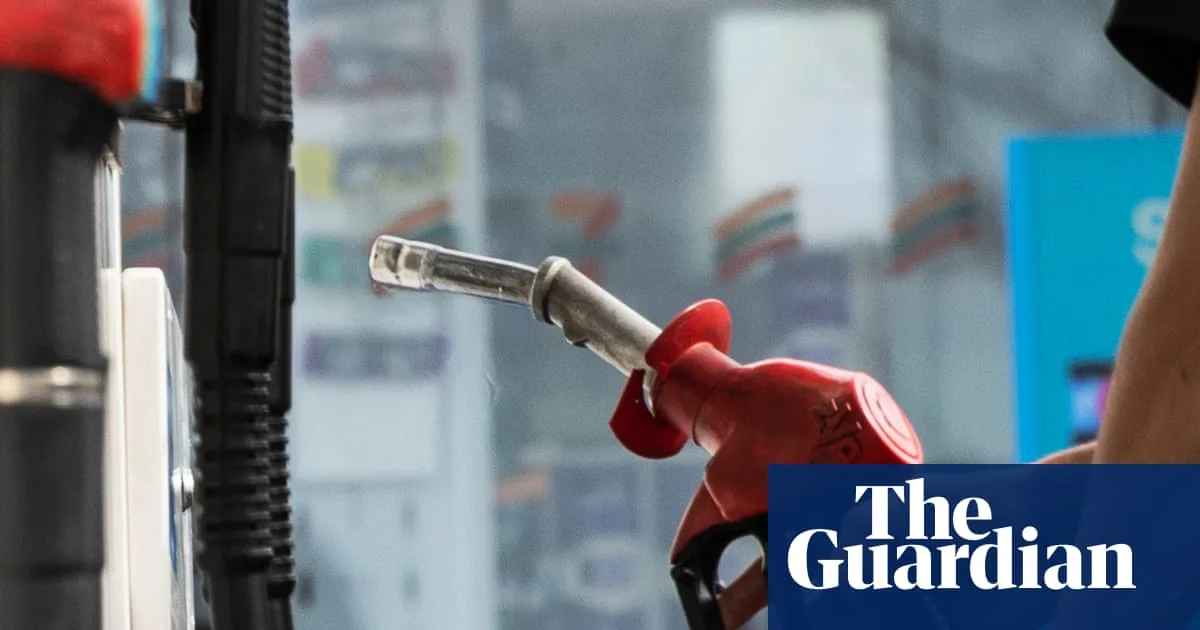
For Australian motorists, this could translate to petrol prices rising between 25 cents and $1 per litre, depending on the Australian dollar and refinery margins. At the top end of that range, fuel could exceed $3 a litre in many major cities, placing significant financial strain on households.

Pickt after-article banner — collaborative shopping lists app with family illustration

Additional Pressure from China's Economic Slowdown

Adding further pressure to market conditions, China has set its lowest economic growth target in decades, aiming for 4.5 to 5 per cent. This development threatens to hit Australian mining companies hard, as China purchases about 70 per cent of Australia's iron ore exports and remains the country's largest trading partner.

This year's target is the lowest since 1991, according to AFP research, with the only exception being 2020 when no target was set during the Covid-19 pandemic shock. The combination of geopolitical instability and economic slowdown in key trading partners creates a challenging environment for the Australian economy and financial markets moving forward.




