








Entertainment

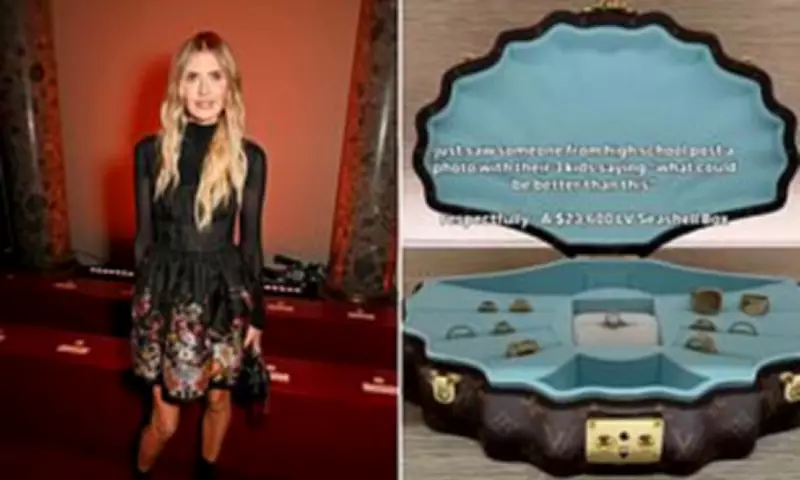
Jaclyn Smith, 80, Shares Four-Word Secret to Her Youthful Glow
Jaclyn Smith, 80, reveals her four-word secret to looking young: clean living and being loved. The Charlie's Angels star also discusses the show's legacy.





Politics
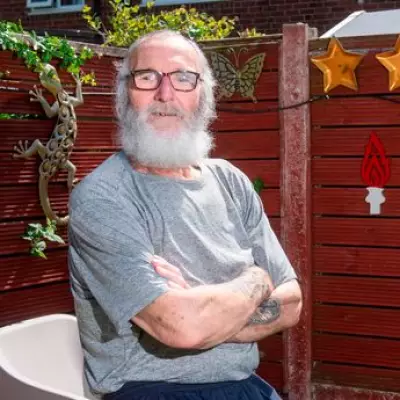
Liverpool Parade Victims Haunted by Attack One Year On
Survivors of the Liverpool FC parade horror recount the terror one year on, as Paul Doyle serves 21 years for mowing down 134 people in a car rampage.



Sports

Dean Henderson Urges Palace to 'Finish the Movie' for Glasner in Conference League Final
Dean Henderson calls on Crystal Palace to win the Conference League final as a fairytale farewell for departing manager Oliver Glasner, who led the club to FA Cup glory.



Crime

UK Wine Firm Liquidated After £427k HMRC Tax Battle
New Claire Wine Ltd enters liquidation after HMRC penalty for off-the-books wine sales. The company owed £427,310 in taxes and faced a tribunal.






Health




Environment

Mediterranean Cooling Secrets for UK Heatwaves
Ancient Mediterranean techniques like white roofs and shutters can cool UK homes during heatwaves, reducing indoor temperatures by up to 4°C and combating urban heat island effects.

Stay Cool Without AC: Passive Cooling Tips for UK Heatwaves
As heatwaves intensify, experts recommend passive cooling over air conditioning to reduce energy costs, emissions, and inequality. Learn how shading, ventilation, and behavior changes can keep your home cool.

Yellowstone's Grand Prismatic Spring: Alien-Like Beauty
Explore breathtaking aerial views of Grand Prismatic Spring in Yellowstone, where vibrant blue and orange colors create a surreal landscape, thanks to heat-loving microbes.

Pessimism Bigger Problem Than Climate Change: McEwan
Ian McEwan argued that pessimism is a bigger issue than climate change, urging optimism as a moral duty, as UK broke May heat records. He spoke alongside Minette Batters on farming challenges.

Brazil Commits $617.5M to Amazon Eco Investment
Brazil allocates $617.5M to boost Amazon ecological investment via Eco Invest program, aiming to attract private capital for sustainable tourism and bioeconomy.
Monday Sports Challenge: Football, Cricket & Rugby Questions
Start your week with our Monday sports quiz featuring 100 questions about British football, cricket, and rugby. How well do you know these popular UK sports?
