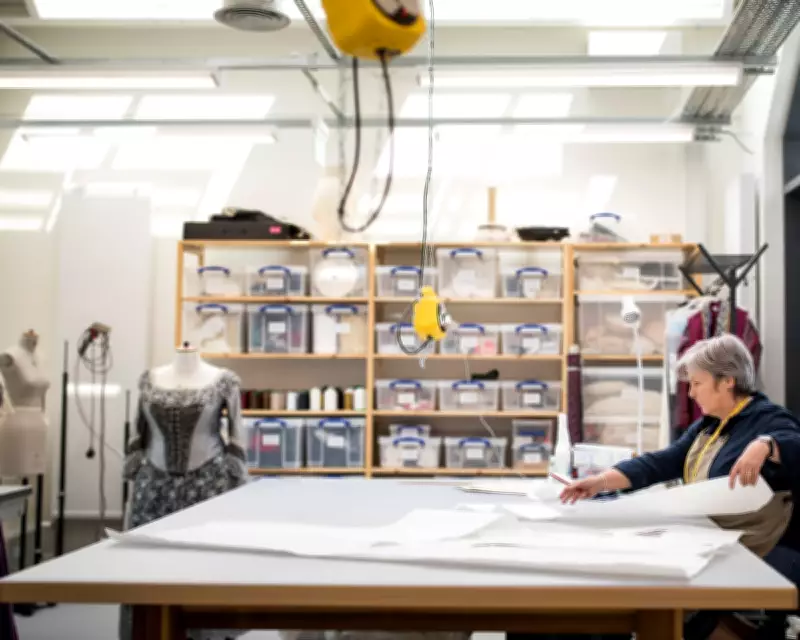
Industry experts and policymakers are calling for a profound cultural shift in how the United Kingdom views manufacturing labour, asserting that this change is a critical prerequisite for revitalising the nation's industrial sector. Without addressing deep-seated attitudes towards factory work, efforts to enhance economic resilience and global competitiveness may fall short.
The Core Challenge: Perception Versus Reality
Manufacturing roles have long been stigmatised in the UK, often seen as low-skilled, monotonous, and poorly paid compared to service-sector positions. This perception persists despite advancements in technology that have transformed many industrial jobs into high-tech, well-compensated careers requiring specialised expertise.
Economic Implications of Persistent Negativity
The negative view of manufacturing labour contributes directly to chronic skills shortages, which hamper productivity and innovation. Companies struggle to recruit and retain talent, particularly in areas like engineering, robotics, and advanced materials. This skills gap not only limits growth but also undermines the UK's ability to compete internationally in key industries such as automotive, aerospace, and pharmaceuticals.

Strategies for Changing Attitudes
To reverse this trend, a multi-faceted approach is necessary:
- Educational Reform: Integrating hands-on manufacturing experiences and STEM (Science, Technology, Engineering, and Mathematics) education into school curricula from an early age.
- Public Awareness Campaigns: Highlighting success stories and the modern, innovative nature of contemporary manufacturing jobs through media and community outreach.
- Policy Incentives: Government initiatives that support apprenticeships, vocational training, and partnerships between industry and educational institutions.
- Workplace Transformation: Emphasising the role of automation and digital tools in making manufacturing roles more engaging and less physically demanding.
The Role of Government and Industry Collaboration
Effective change requires coordinated efforts between the public and private sectors. Policymakers must align industrial strategy with labour market needs, while businesses need to invest in training and promote career progression opportunities. By working together, they can rebrand manufacturing as a dynamic, future-oriented field.
Long-Term Benefits of a Shift in Mindset
Altering attitudes towards manufacturing labour could yield significant economic advantages. A more skilled and motivated workforce would drive innovation, increase export potential, and reduce reliance on foreign supply chains. Moreover, it could help address regional inequalities by creating high-quality jobs outside of London and the Southeast.
Ultimately, reviving UK manufacturing is not just about investing in technology or infrastructure; it hinges on changing how society values industrial work. Without this cultural transformation, the sector's revival may remain elusive, impacting the broader economy for years to come.