Jaguar Land Rover (JLR) experienced a sharp decline in sales during the final quarter of last year, as US tariffs and the aftermath of a devastating cyber-attack took their toll. Wholesale volumes fell by 43.3% to 59,200 vehicles in the quarter to December, while retail sales dropped by 25.1% to 79,600 cars, according to the company's owner, Tata Motors.
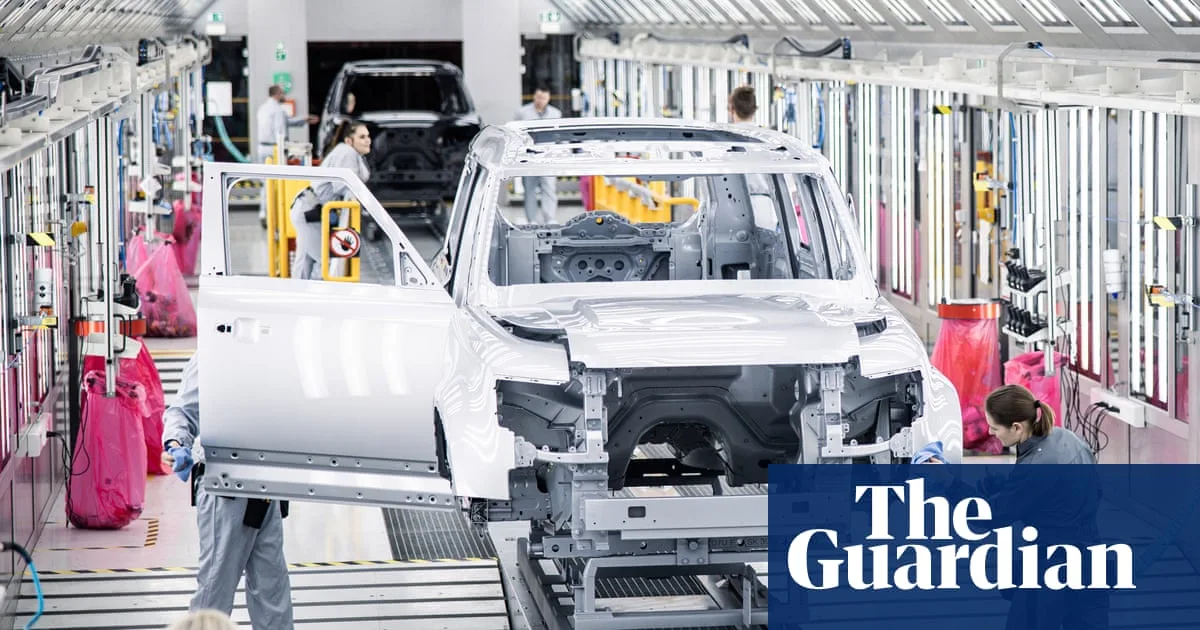
The cyber-attack, which occurred in late August, forced JLR to suspend production at its factories in the UK, Slovakia, Brazil, and India through September, resulting in a quarterly loss of nearly £500 million. Production only returned to normal levels by mid-November, and it took additional time to distribute vehicles globally. The company also cited incremental US tariffs impacting its exports to the United States, along with the planned wind-down of older models ahead of the launch of the new Jaguar.
Retail sales fell across all markets between October and December, including a 13.3% drop in the UK. North America saw a 37.7% decline, Europe fell by 26.9%, China was down 18.4%, the Middle East and North Africa dropped by 18.7%, and the rest of the world fell by 14.1%. Wholesale volumes fell most in North America, down 64.4%, while the UK slipped by 0.9% and Europe was 47.6% lower.
Shares in Tata Motors fell by as much as 4% on the news before recovering to be down 2%. The Range Rover, Range Rover Sport, and Defender models accounted for nearly three-quarters of sales, up from 70.3% a year earlier. The figures come as UK car sales surpassed 2 million for the first time since 2019, driven partly by a rise in Chinese brands, which accounted for 9.7% of new registrations.