

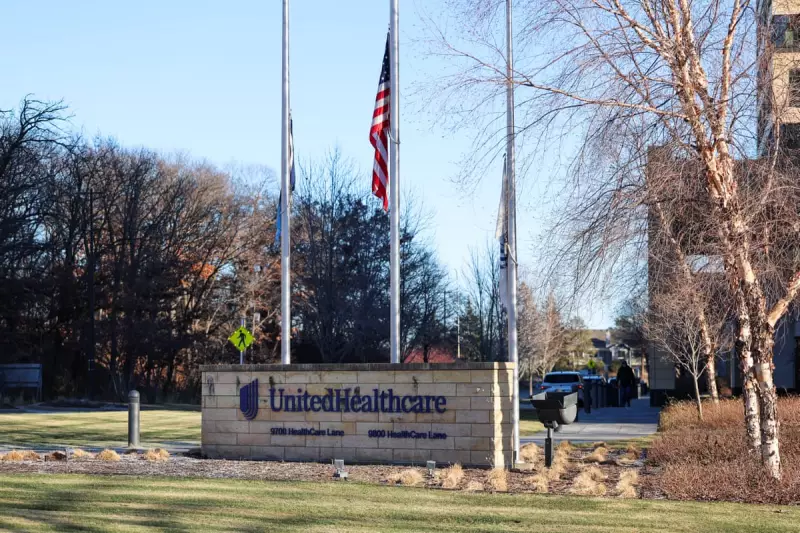
Two senior US senators have accused the healthcare giant UnitedHealth Group of refusing to hand over crucial internal documents as part of a congressional inquiry into its controversial nursing home care practices.
Senators Issue Renewed Demand for Information
In a letter dated 7 January, Senators Ron Wyden and Elizabeth Warren, both members of the influential Senate Finance Committee, stated that UnitedHealth has "declined to produce" any internal records concerning its hospitalisation policies or bonus payments to nursing homes. The lawmakers launched their investigation last summer following a Guardian report that revealed UnitedHealth paid bonuses to facilities that reduced hospital transfers for residents—transfers the insurance company would otherwise have to cover.
The senators wrote that over the five months since their formal request, the company provided only "brief and unsubstantial answers" to their questions. "Because you have failed to respond adequately to our inquiry – and in light of additional recent reporting – we are renewing our inquiry with heightened alarm," the letter stated.

Allegations of Profit Over Patient Safety
The "additional recent reporting" refers to a December story detailing allegations linking UnitedHealth's programme to three wrongful deaths. The programme allows staff from the company's medical arm, Optum, to care for residents insured by its insurance division, UnitedHealthcare.
Under the Medicare Advantage system, insurers like UnitedHealth receive fixed payments from the government to cover patient care. The fewer hospitalisations they pay for, the more money is left as potential profit. The senators have questioned the ethics of using hospital admission rates as a metric for bonuses, arguing it fails to distinguish between necessary and unnecessary hospital stays.
In their letter, Wyden and Warren also highlighted a contradiction. During a July briefing, UnitedHealth claimed nursing homes were not required to consult its direct care division before sending residents to hospital. However, a whistleblower document provided to the committee showed the company pushed facilities to "immediately" call Optum even in urgent situations.
Wrongful Death Lawsuits and Legal Action
UnitedHealth and Optum are now facing lawsuits related to the programme. In Ohio, the family of 70-year-old Mary Grant alleges she died after her nursing home and an Optum nurse practitioner failed to send her to hospital following a traumatic head injury. The lawsuit claims the practitioner acted as "an insurance adjuster" to deny care.
In a separate Georgia case, the family of Cindy Deal, 58, alleges that staff delayed hospitalising her for hours as she foamed at the mouth and appeared to have a seizure, resulting in her death. A court complaint alleges corporate policies acted "to block the provision of life-saving care... intended to increase profits at the expense of its insured."
UnitedHealth has categorically rejected assertions that it endangers patient safety. In a statement, a spokesperson said the company stands behind its programme, which provides "decades of compliant, specialized care." The company has generally denied the families' claims in court, citing patient privacy and pending litigation.
The senators have given UnitedHealth a deadline of 28 January to comply fully with their document requests, warning they will pursue answers by "other policy means" if the company fails to respond. This inquiry adds to mounting scrutiny on the practices of one of America's largest health insurers.






