

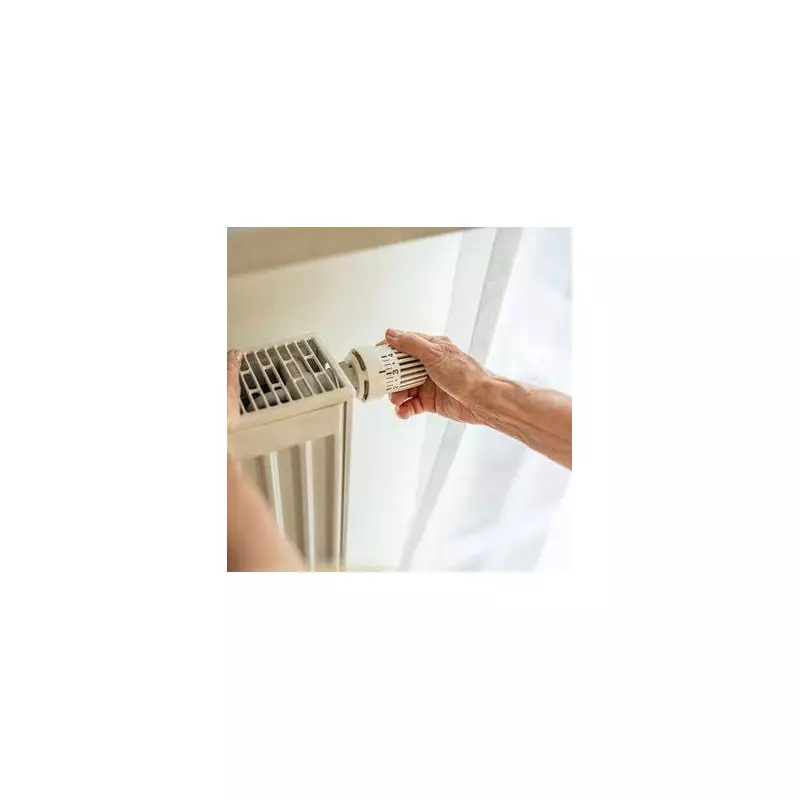
As a severe cold snap freezes the UK, a dangerous heating hack promoted on social media is raising alarm among fire safety experts. Millions are seeking ways to cut costs, but one popular method could put homes in peril.
The Dangerous DIY Trend
New research from Saga Home Insurance indicates that almost half of Britons (47%) have tried unconventional methods to reduce their heating expenditure. Among these, a particularly risky trend involves placing sheets of kitchen aluminium foil behind radiators. The idea is to reflect heat back into the room, but experts warn this common fix is a serious fire hazard.
Andrew Topping, a firefighter with 26 years of service, has issued a stark warning. He explains that kitchen foil can oxidise and degrade over time. "It will lead to smouldering or burning at high temperatures if not replaced," he stated. Mr Topping criticised the spread of such hacks, noting they gain traction because they "seem simple and cheap, but what social media doesn't show is the danger behind them."

The Safe and Efficient Alternative
For those determined to use a reflective method to boost a radiator's efficiency, there is a safe, purpose-built solution. Andrew Topping strongly advises households to use a proper radiator reflector instead of makeshift tin foil. These professionally designed products are not only safer but also more efficient at reflecting heat into your living space.
"These radiator reflectors will be more efficient and much safer than tinfoil," he emphasised. The key difference is that they are specifically engineered for this use, helping to warm your home without endangering your family.
The High Cost of a Home Fire
The warning underscores the potentially devastating consequences of a house fire. Anna Thunstrom, Head of Home Insurance at Saga, provided sobering context. She revealed that while fires account for only around 2% of home insurance claims, they are frequently the most damaging and expensive incidents.
The average cost of a fire-related home insurance claim exceeds £10,000 per incident, highlighting the severe financial and emotional toll such an event can take. As temperatures plunge below freezing across the nation this week, the message from safety professionals is clear: prioritise safety over short-term savings.






