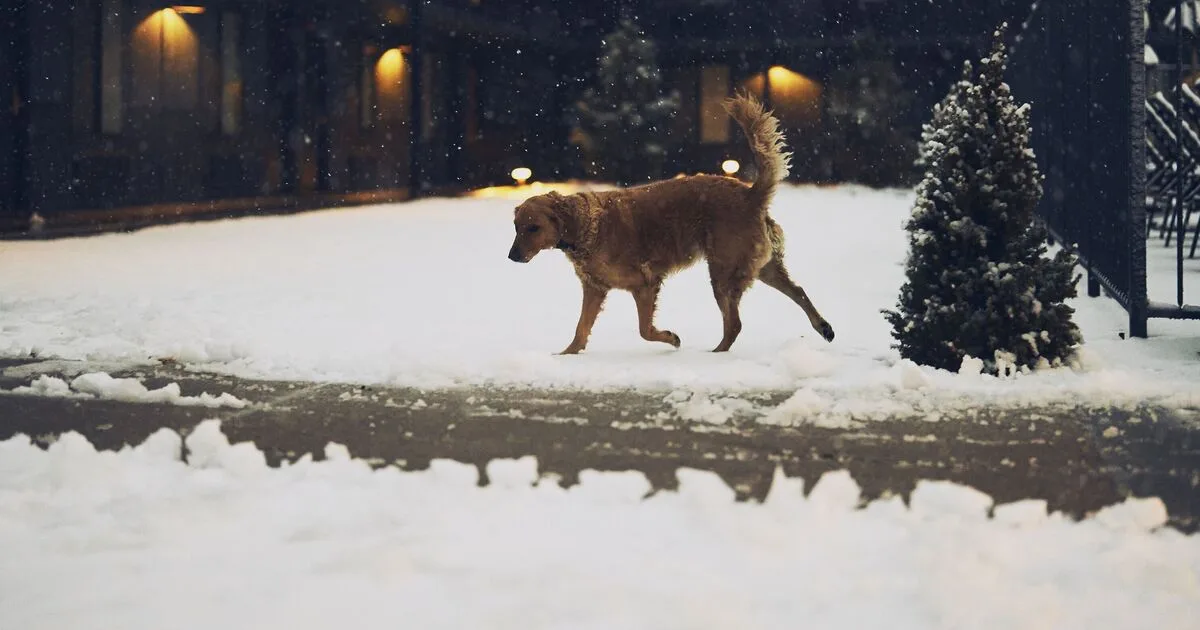
As winter takes hold, dog owners are being urged to check their gardens for hidden seasonal hazards, with new research showing a surge in online searches for pet-safe plants. More than 14,000 UK searches for 'pet-safe plants' were recorded in November alone, according to natural dog-food brand Green Pantry.
Pet Nutritionist Laura Ward warns that common winter garden plants can be highly toxic to dogs. Daffodil, crocus and snowdrop bulbs, typically planted between September and January, contain dangerous toxins. Daffodils contain lycorine and other alkaloids, which can cause digestive upset, excessive drooling and vomiting, and may prove fatal if consumed in large quantities. Crocus plants contain colchicine, while snowdrops contain galantamine, both of which can lead to severe illness, including seizures in significant doses.
Other plants such as holly, mistletoe and ivy can also cause drooling, vomiting and stomach upset in dogs. Certain mushrooms and toadstools are extremely poisonous and should be removed from gardens. Conkers and acorns, which litter the ground from autumn onwards, present a choking hazard and can cause gut blockages, vomiting, diarrhoea and rashes if eaten.
Seasonal treatments used on paths and lawns also pose risks. Rock salt and grit, commonly used to de-ice pavements, can irritate dogs' paws and may cause sickness if licked. Compost and fertiliser, often applied in winter, can be equally dangerous. Compost may contain tremorgenic mycotoxins, a neurotoxic fungal substance that requires immediate veterinary attention, while fertiliser is attractive to dogs but triggers vomiting, diarrhoea and paw irritation.
Laura advises dog owners to remove fallen leaves, berries and mushrooms, keep pets out of flowerbeds, and store antifreeze, salt and fertiliser securely off the ground. She also recommends rinsing dogs' paws after walks in gritted areas and practising commands like 'leave it' and 'drop it' to prevent them from picking up harmful items while out and about.