

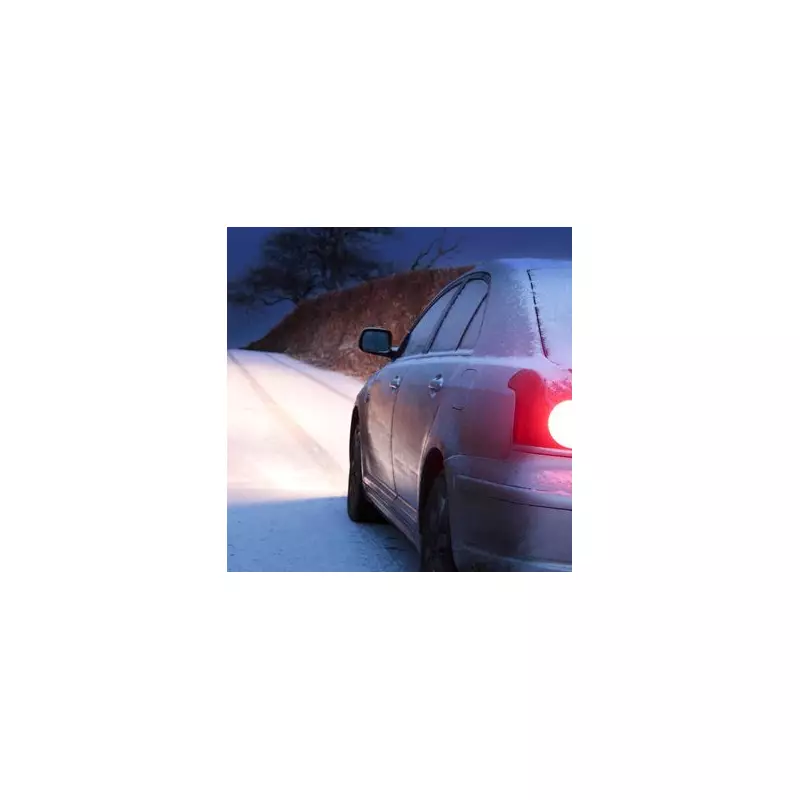
As the bitter cold of January 2026 continues to grip the nation, drivers are facing treacherous conditions on the roads. Skidding on ice remains a top fear for many motorists during the winter months. In response, specialists from Adrian Flux Insurance have issued clear, potentially life-saving guidance on the single most important action to take if your vehicle begins to slide.
The Essential Manoeuvre: Steer Into the Skid
In a recent advisory shared on TikTok, the insurance experts provided a vital demonstration. Their key instruction is straightforward: steer gently into the skid. This means if the rear of your car slides out to the right, you should turn the steering wheel to the right. Conversely, if it slides left, steer left.
The specialists strongly cautioned against two common panic reactions: do not jerk the wheel in the opposite direction and do not brake hard. While steering into a skid may feel counterintuitive, the reasoning is sound. This action aligns your front wheels with the vehicle's actual direction of travel, which helps your tyres regain grip on the slippery surface.

Attempting to steer against the skid often leads to overcorrection. This mistake can cause a dangerous spin or worsen the fishtailing motion. By steering into the slide, you create the best chance to calmly and steadily guide the car back onto your intended path.
Additional Winter Driving Wisdom from the AA
The AA has reinforced its own seasonal advice for motorists. They recommend accelerating with extreme gentleness and moving into a higher gear as soon as possible. Reducing your overall speed is paramount.
They also advise drivers to watch the vehicle ahead closely, as its movements can reveal hidden patches of black ice. If you see the car in front skid slightly, you have an early warning.
The AA highlighted the dramatic increase in stopping distances. Braking distances can double in wet conditions and become at least ten times longer on snow or ice. To illustrate, the stopping distance from 30mph in normal conditions is 23 metres (75 feet). On snow, that distance can skyrocket to 230 metres (750 feet).
In heavy snowfall, visibility plummets. The AA stresses that drivers must slow down significantly and allow themselves far more time to react to hazards.
Motorists Share Their Skid Experiences
Reaction to the online guidance has been positive, with many drivers sharing their own icy encounters. One user admitted the clarification was helpful, stating they had previously misunderstood "steer into the skid" to mean following the car's nose, which would have been disastrous.
Another recounted their first skid just a day prior, describing it as "unnerving" but managed by using engine braking and correctly steering into the slide after their car's rear end slid out on an icy turn.
A third driver gave a powerful testimonial, recalling a severe multi-lane skid across ice, grass, and tarmac in heavy rain. They confirmed the technique works, crediting it with ensuring they and their passenger were unharmed, despite their car sustaining four blown tyres.
With freezing weather set to continue, this expert advice serves as a crucial reminder for all road users to prepare, slow down, and know how to react if they feel their car lose traction on winter's icy roads.






