

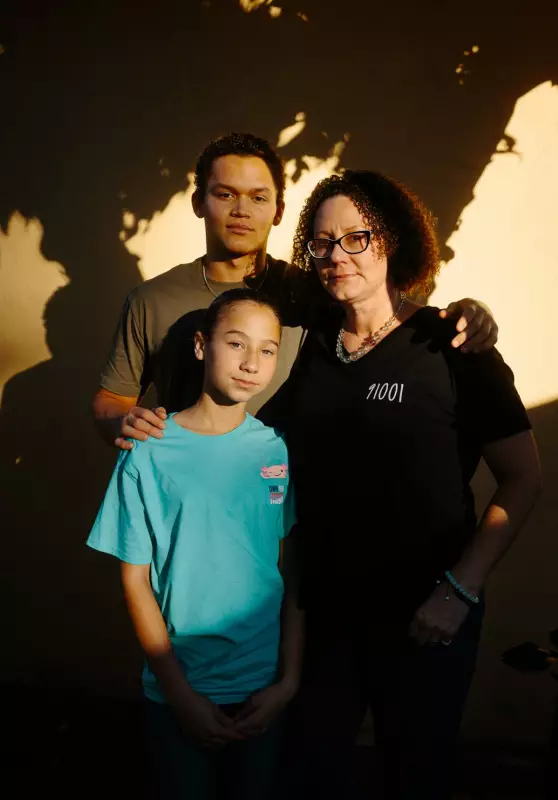
A year after the catastrophic Eaton fire tore through the San Gabriel mountains and into the communities below, a profound and invisible crisis persists in Altadena, California. While reconstruction has begun, many residents who have returned to homes that survived the flames are now confronting a disturbing reality: their properties may still be dangerously contaminated with toxic substances.
The Lingering Shadow of Toxicity
The fire, which ignited on 7 January 2024, left a trail of devastation. 19 people lost their lives, tens of thousands were displaced, and nearly 9,500 structures were destroyed, primarily in Altadena. The inferno consumed older buildings laden with now-banned materials like lead-based paint and asbestos, showering the area with hazardous ash and heavy metals that seeped into soil and the very fabric of standing homes.
Official guidance on the health risks was initially scarce, leaving returning families to discover the dangers piecemeal. Many have since reported new or worsening health issues, including severe migraines and respiratory problems. Compounding their plight, residents are locked in arduous battles with insurance providers who often refuse to cover the full cost of essential testing and specialised remediation needed to make homes safe.

A Community Forced to Become Experts
Frustrated by the lack of clear support, residents like data scientist Nicole Maccalla and film producer Dawn Fanning banded together to form Eaton Fire Residents United (EFRU). This grassroots group has taken matters into its own hands, collecting hygienic testing data from hundreds of properties and advocating for stricter safety protocols.
Research led by Maccalla for EFRU revealed a shocking truth: more than half of homes that had already undergone professional remediation still contained levels of lead or asbestos that exceeded US Environmental Protection Agency safety thresholds. "We're putting people back in homes without confirming that they're free of contamination," Maccalla stated. "It feels very unethical."
Despite an extensive cleanup, Maccalla's air purifiers still signal high particulate levels, and the acrid smell of fire returns with the rain. She moved her family back last summer out of necessity, not choice, grappling with the mental toll of seeing her beloved home become a potential threat. Her daughter's asthma has worsened, and their pets have fallen ill.
Nowhere Else to Go
For many, the financial and emotional strain of prolonged displacement is unsustainable. Renter Tamara Artin and her husband returned to their standing home after just one night because they had no family locally and hotels were full. They lived without power or water for weeks, discarding most of their possessions. "We were inhaling all those chemicals without knowing what it is, but we didn't have a choice," Artin recalled. With a rent increase looming, moving is not an option. "We don't have anywhere else to go."
Dawn Fanning's Spanish bungalow in Pasadena escaped the flames but not the toxic fallout. Asbestos was discovered inside, rendering all porous belongings—clothing, furniture—unsalvageable. She has been fighting her insurance company for adequate coverage and has lived in a short-term rental since late summer. Even brief visits to her neighbourhood now trigger headaches. "I don't know if I'll ever feel safe again," she admitted.
For Fanning, Maccalla, and others, advocacy through EFRU has become a full-time, unpaid mission. They are determined to establish a safer blueprint for recovery, not just for Altadena but for communities everywhere increasingly threatened by intense urban wildfires. "It's a long road to recovery," Fanning concluded. "And if we don't do it right, safely, it's never gonna be what it was before."






