

One year after the catastrophic Eaton wildfire tore through the foothills of the San Gabriel mountains, a profound and invisible crisis continues to grip the community of Altadena, California. While new construction signals a physical rebirth, many returning residents are confronting a disturbing reality: their homes, spared by the flames, may be silently poisoned by toxic contamination.
The Invisible Aftermath of the Flames
The fire, which ignited on 7 January 2024, left a staggering toll: 19 people dead, tens of thousands displaced, and nearly 9,500 structures destroyed across Altadena, Pasadena, and Sierra Madre. The inferno didn't just consume buildings; it vaporised older homes laden with now-banned materials like lead-based paint and asbestos, showering the area with hazardous particulate matter and heavy metals.
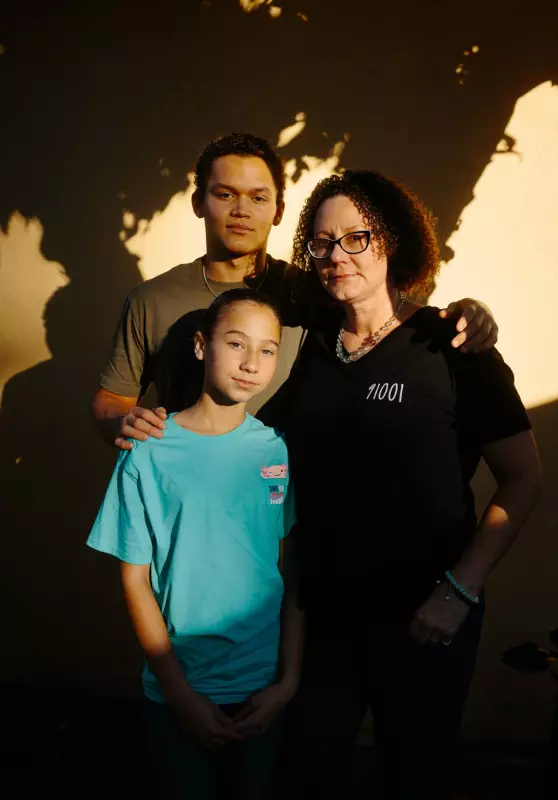
Research indicates these dangers persist long after the smoke clears, even in properties that have undergone official remediation. For families like that of data scientist Nicole Maccalla, returning home has been a fraught decision. Her family moved back last summer after a cleanup, yet air purifiers still spike, heavy sediment appears when vacuuming, and the acrid smell of fire returns with the rain. "The toll of displacement was really high on my family," Maccalla stated. "I just had to move home and try to mitigate risk... but I also don't have other choices."

A Community's Fight for Clarity and Safety
Frustrated by a lack of clear official guidance and battling insurance companies reluctant to cover comprehensive testing, residents took matters into their own hands. Maccalla, alongside producer Dawn Fanning and others, formed Eaton Fire Residents United (EFRU). This grassroots group has become a vital source of information and advocacy, collecting hygienic testing reports and developing safety protocols.
Their findings are alarming. A study led by Maccalla revealed that more than half of remediated homes still contained levels of lead and/or asbestos exceeding US Environmental Protection Agency safety thresholds. "We're putting people back in homes without confirming that they're free of contamination," Maccalla warned. "It feels very unethical and a very dangerous game."
For Fanning, whose Spanish bungalow escaped the flames but not the toxic fallout, the fight is personal. Asbestos was discovered in her home, rendering all porous belongings ruined. She has been locked in a dispute with her insurer over the necessary and costly work to make her house safe, forcing her and her son into a short-term rental. "I don't know if I'll ever feel safe again," she admitted.
Nowhere Else to Go: The Human Cost
The crisis disproportionately impacts those with few alternatives. Renter Tamara Artin returned to her standing home after just one night because, with no local family and hotels full, she had "nowhere else to go." She and her husband lived without utilities for weeks, discarding most of their possessions. "We were inhaling all those chemicals without knowing what it is, but we didn't have a choice," she recalled.
Rosa Robles, who has lived in Altadena for decades, took in seven relatives who lost their homes. While thankful for the shelter, she represents a common coping mechanism: trying not to dwell on the unseen dangers. "You know that saying, what you don't know?" she said, her voice fading.
The ordeal has transformed Altadena into a tragic living laboratory, exposing the amplified risks of modern urban wildfires where burning plastics, electric car batteries, and legacy building materials create a toxic cocktail. For the survivors of the Eaton fire, the path to recovery is measured not just in rebuilt structures, but in the arduous, ongoing battle to reclaim a truly safe and healthy environment.






