
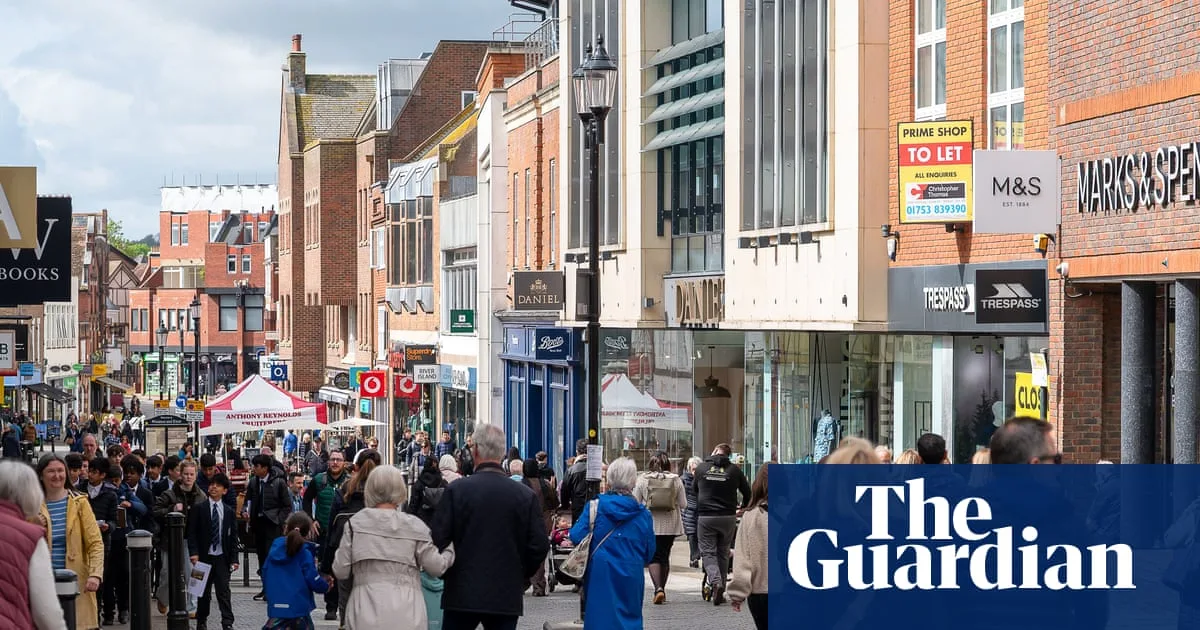
Shop price inflation in the UK slowed to 1% year-on-year in April, down from 1.2% in March, according to the British Retail Consortium (BRC). The trade group attributed the easing to “heavy discounting” by retailers on clothing, furniture, and DIY goods as they sought to attract cautious shoppers.
Non-food items saw deflation of 0.1% year-on-year in April, compared with 0.1% inflation in March. Meanwhile, food price inflation fell to 3.1% from 3.4%, with fresh food inflation dropping to 3.9% from 4.4%, helped by discounts on Easter items such as chocolate.
The slowdown comes amid weakening consumer confidence, with the GfK survey showing confidence sliding to its lowest level since October 2023. Separate data from the Confederation of British Industry (CBI) revealed that retail sales volumes fell below seasonal norms in April, with a net balance of 68% of retailers reporting declines, the worst reading since the survey began in 1983.
BRC chief executive Helen Dickinson warned that the impact of the Iran war on consumer prices has yet to be fully felt, but added that it “will not be long before it begins to.” Mike Watkins of NielsenIQ noted that rising fuel prices are already feeding through, and similar effects are expected in food and non-food supply chains.
The BRC called on the government to moderate shop price inflation by fixing so-called “non-commodity charges,” which account for around half of the average business energy bill in the UK.




