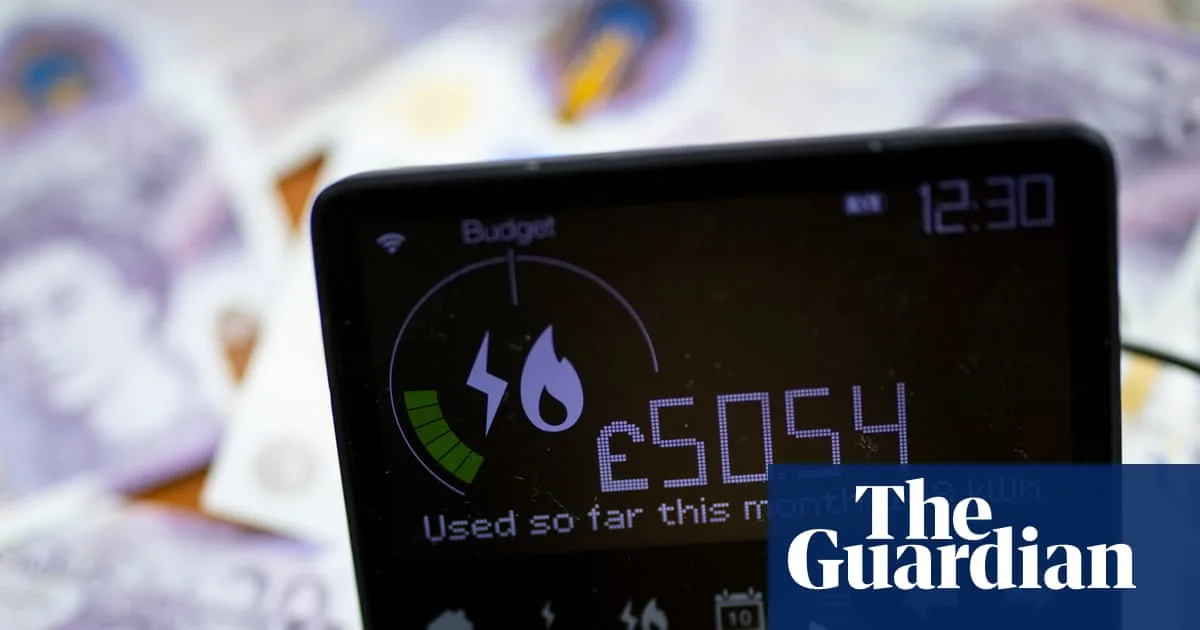
UK inflation slows to 2.8% as energy price cap softens impact of rising fuel costs
UK inflation slowed to 2.8% in April, the lowest in over a year, as energy price cap eased fuel cost rises, but economists warn of Iran war impact ahead.

UK inflation slowed to 2.8% in April, the lowest in over a year, as energy price cap eased fuel cost rises, but economists warn of Iran war impact ahead.

Economists warn Iran conflict could keep UK inflation at 3% until year-end, with oil prices spiking and global growth forecasts at risk.
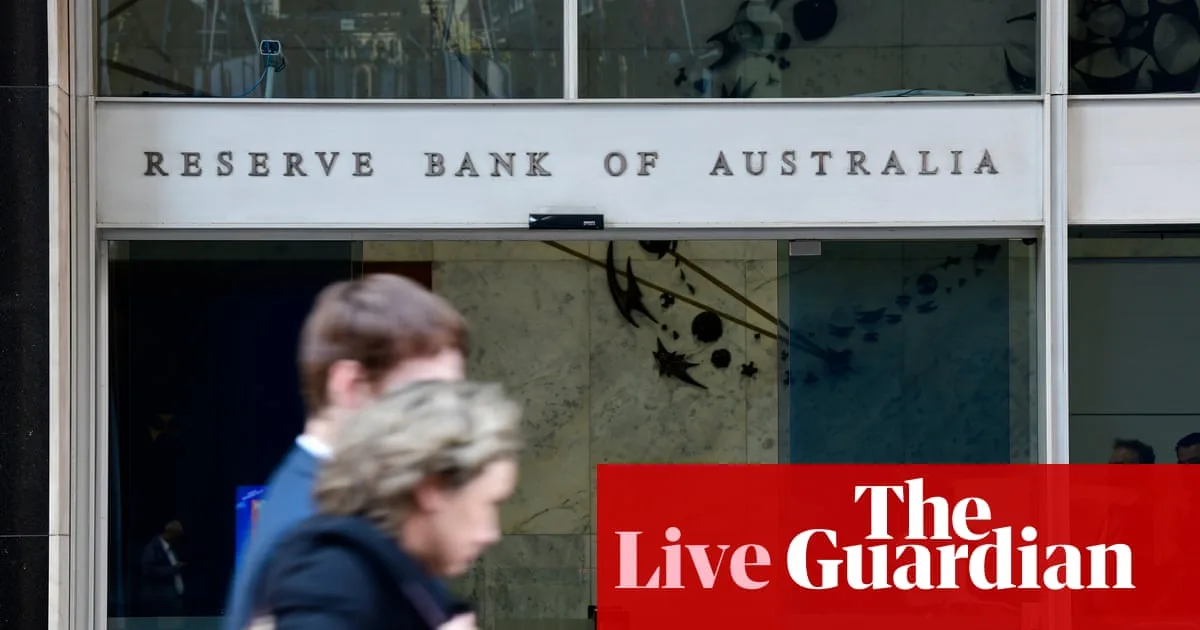
RBA holds cash rate at 1.5%, focuses on labour market; inflation remains subdued, with potential rate cuts later in 2019.
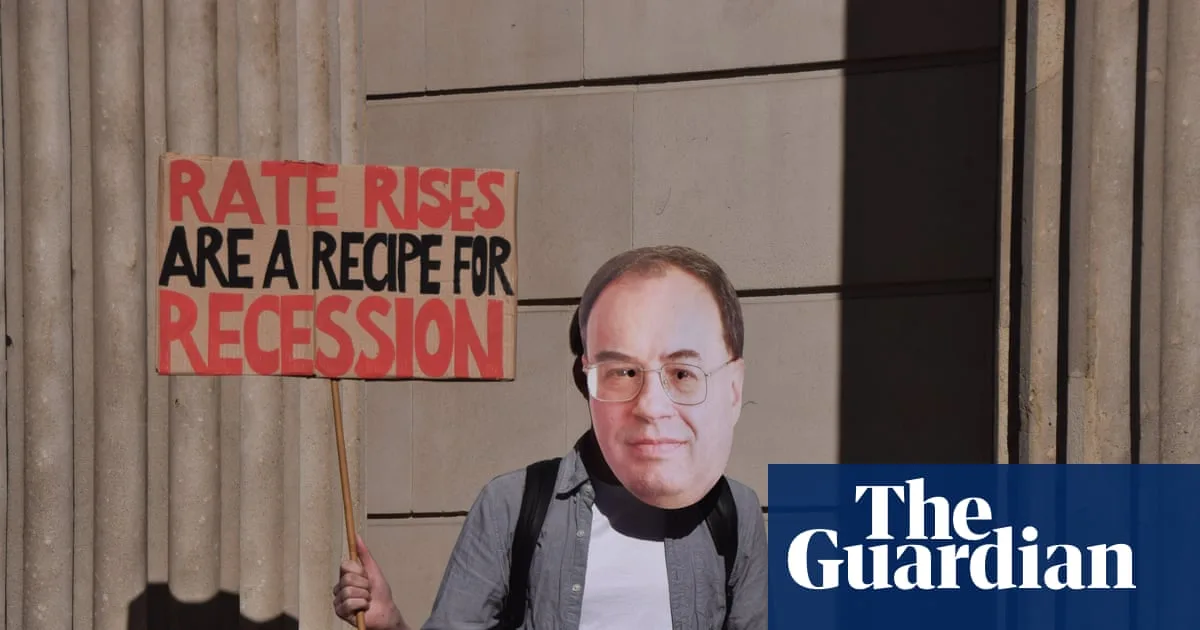
Bank of England holds rates at 3.75%, warns higher inflation unavoidable due to Middle East conflict; worst-case scenario sees rates rising to 5.25%.
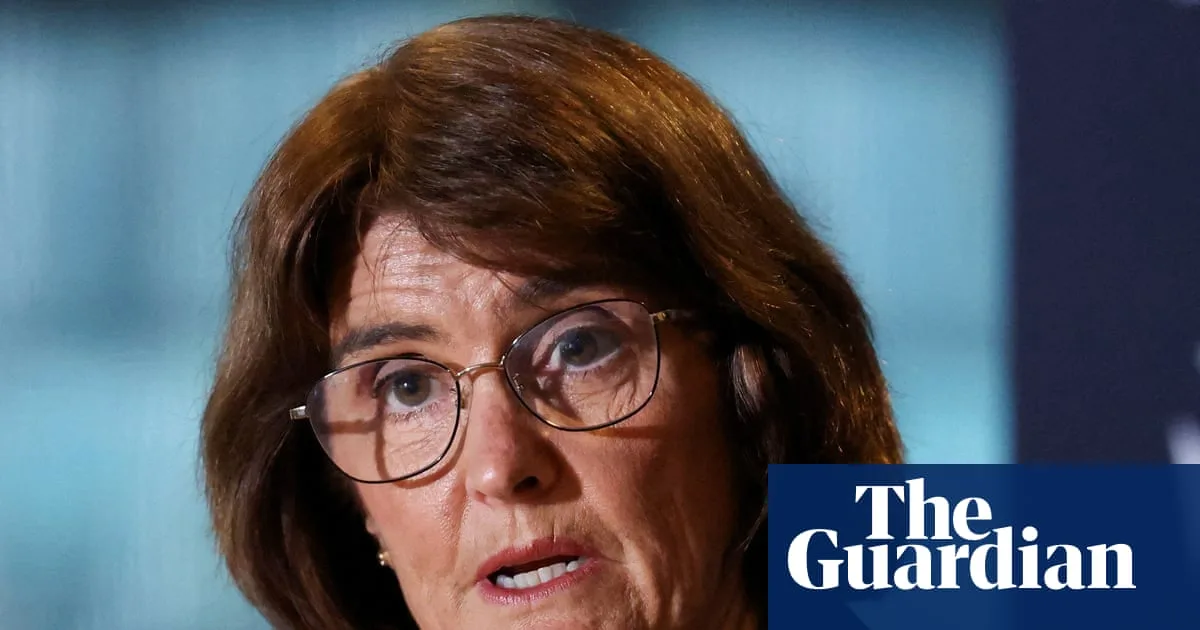
RBA Governor Michele Bullock says March rate hike is 'live' due to oil price spikes from Iran conflict and tight labour market.
Australia's June 2025 CPI shows 2.1% inflation, with clothing up 2.6%, medical costs up 2.3%, and fruit/vegetables up 4.3%, worsening cost of living.

British Gas projects energy price cap will rise to £1,880 by Q2 2027, up from £1,862 after July 2026 increase. Ofgem cites Middle East conflict for volatility.
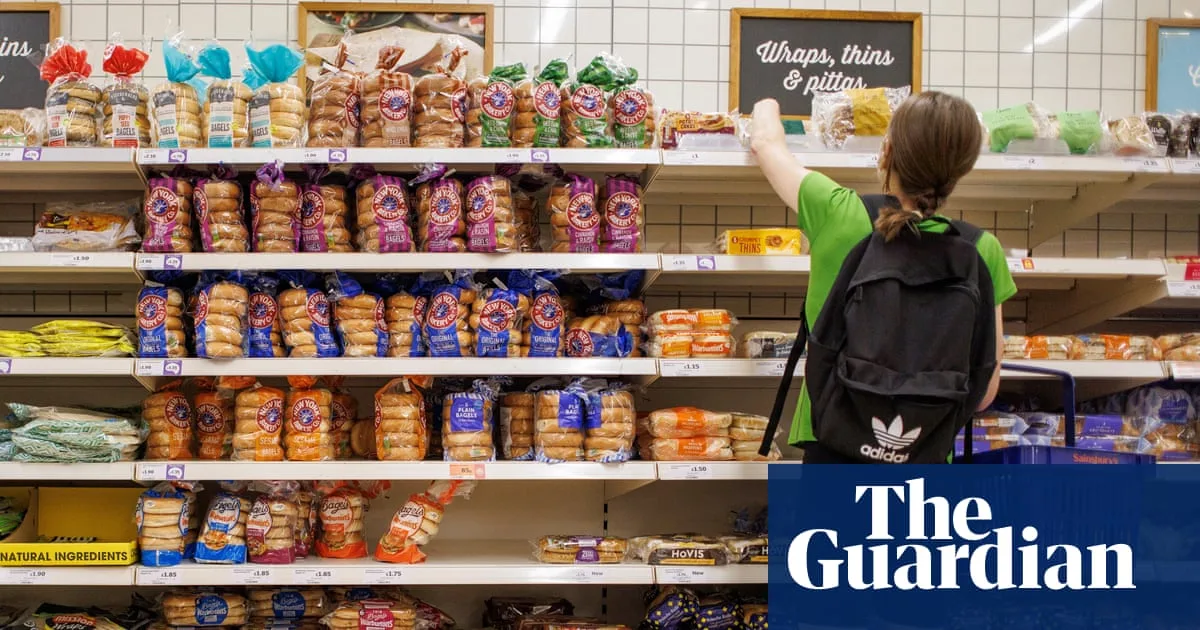
UK inflation rose to 3.4% in December, first increase in five months, driven by air fares and tobacco; Bank of England rate cut in February now unlikely.
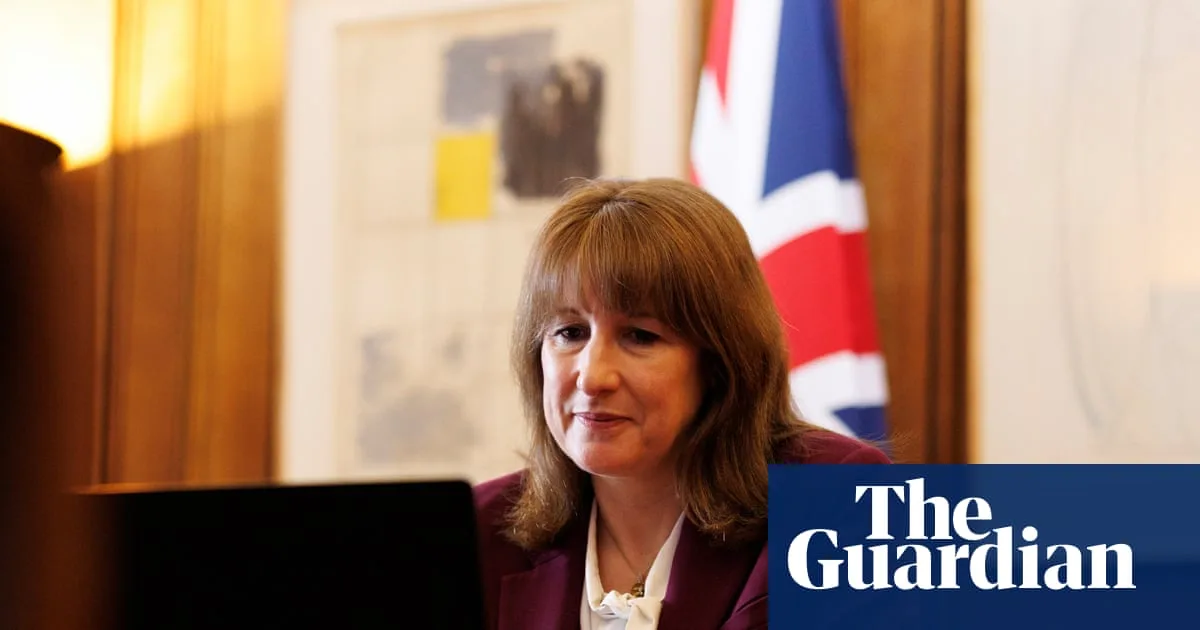
Chancellor Rachel Reeves warns UK inflation will rise due to Middle East war, pledges 2026 as turning point, but offers no new relief.

UK house prices stalled for a second month in June, with average price edging down to £277,484 amid rising interest rates and geopolitical tensions.

State pension and benefits rise 3.1% but inflation outpaces, leaving many struggling with cost of living pressures.
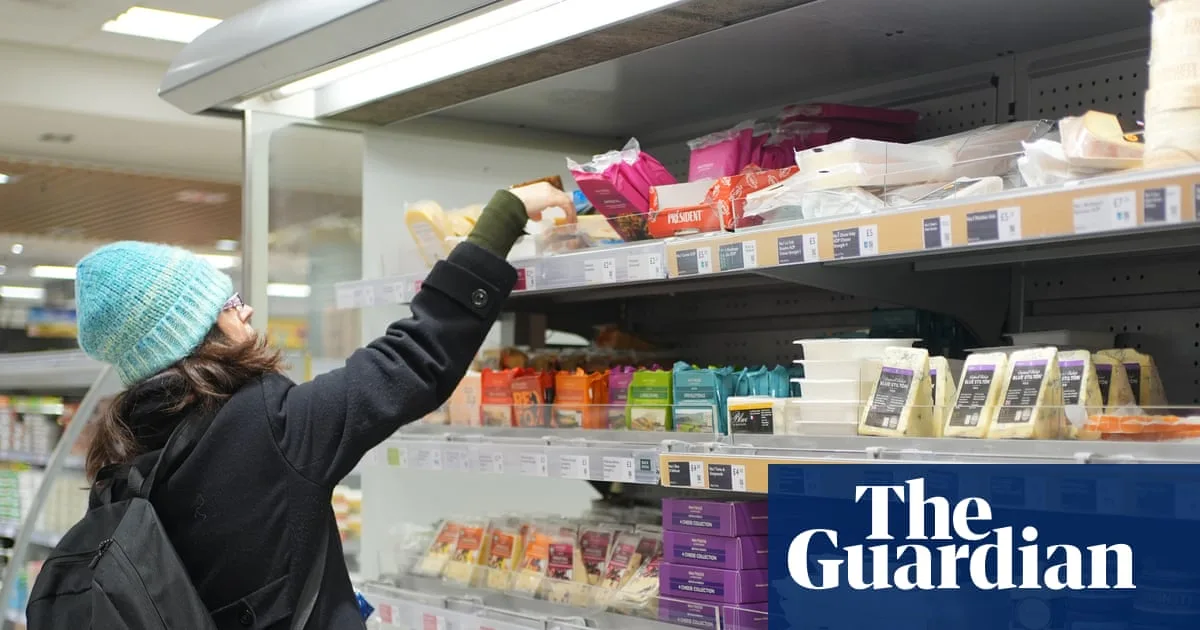
UK inflation fell to 3% in January, the lowest since March 2025, boosting hopes of an early Bank of England interest rate cut.
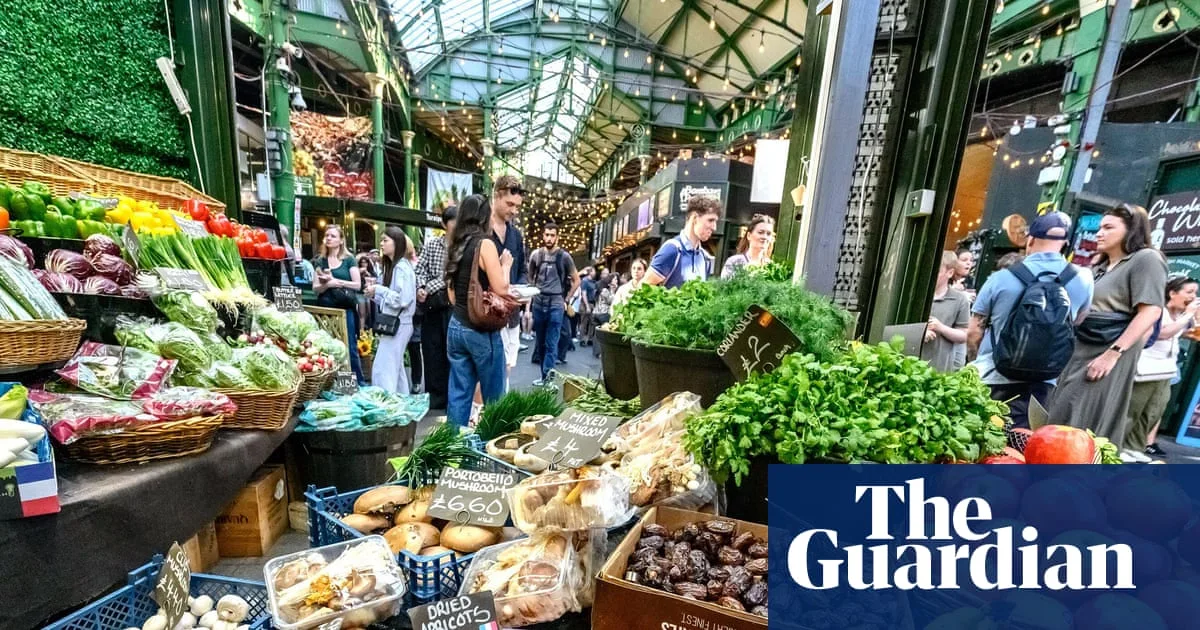
UK inflation fell to 3.6% in October, first drop in five months, boosting chances of a December interest rate cut ahead of the budget.

UK grocery bills hit record highs as families report weekly shop costs rising by £50-£85, forcing switches to own brands and cheaper cuts.
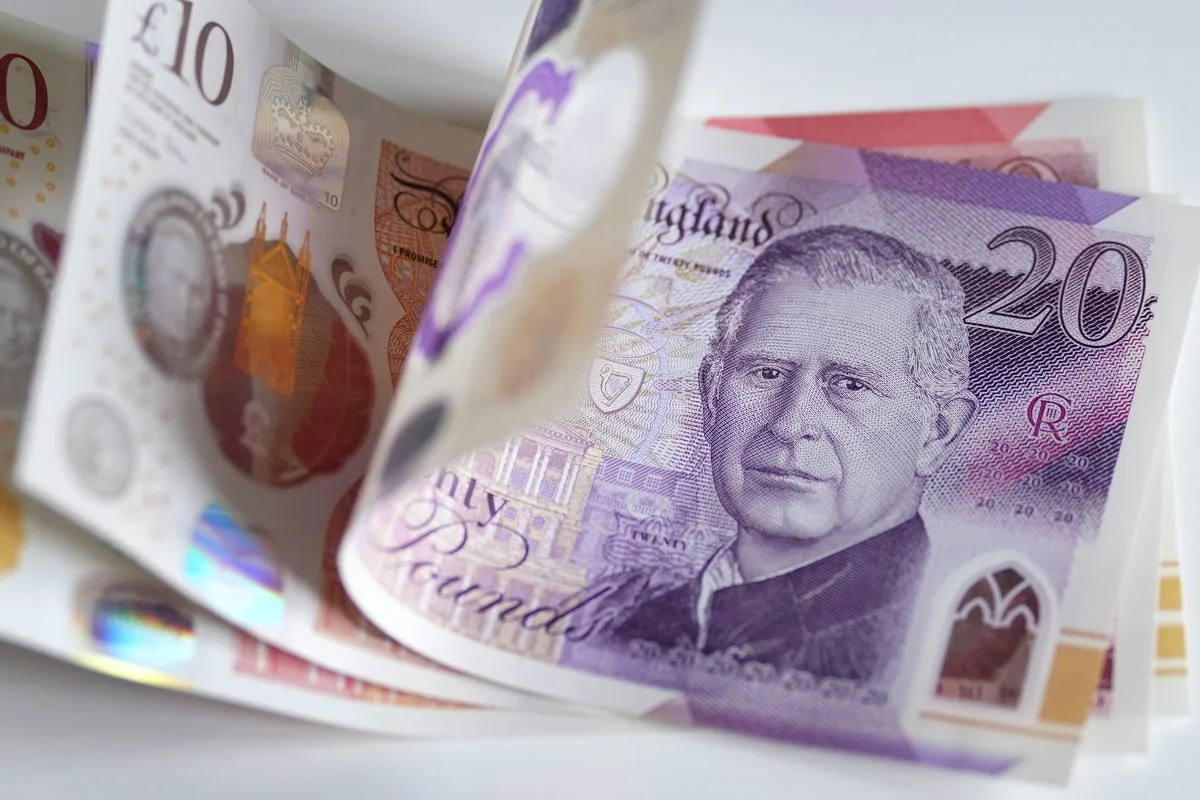
June 2026 benefit payment dates, cost of living support, and key changes to Universal Credit, PIP, and state pension amid rising prices.

Analysts warn Trump's pressure on the Fed risks 1970s-style inflation and global backlash, as DoJ investigates chair Jerome Powell.

Climate change-induced food price spikes risk malnutrition, unrest, and political upheaval, a new report finds, linking extreme weather to surges in staples globally.
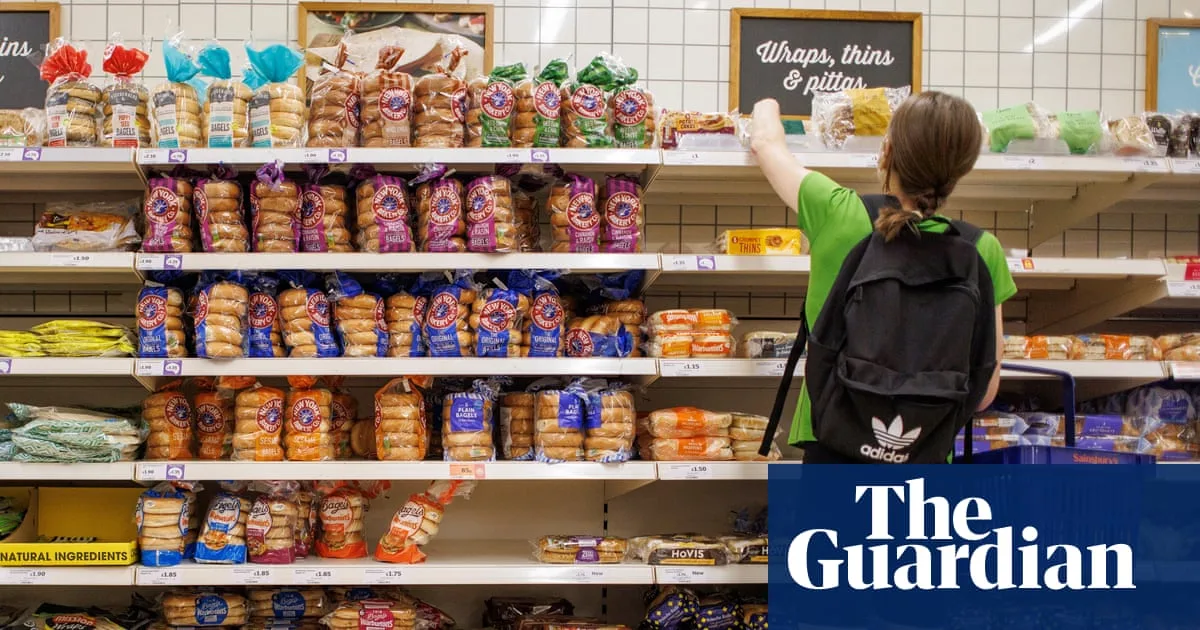
UK inflation rose to 3.4% in December, first increase in five months, driven by air fares and tobacco. Analysts say temporary, ruling out February rate cut.

New poll shows Asian American, Pacific Islander adults are more worried about inflation and costs than other Americans, with half prioritising these issues.
RBA holds rates at 3.6% as inflation surprise rattles economy, warns of rising house prices and rents in 2026.
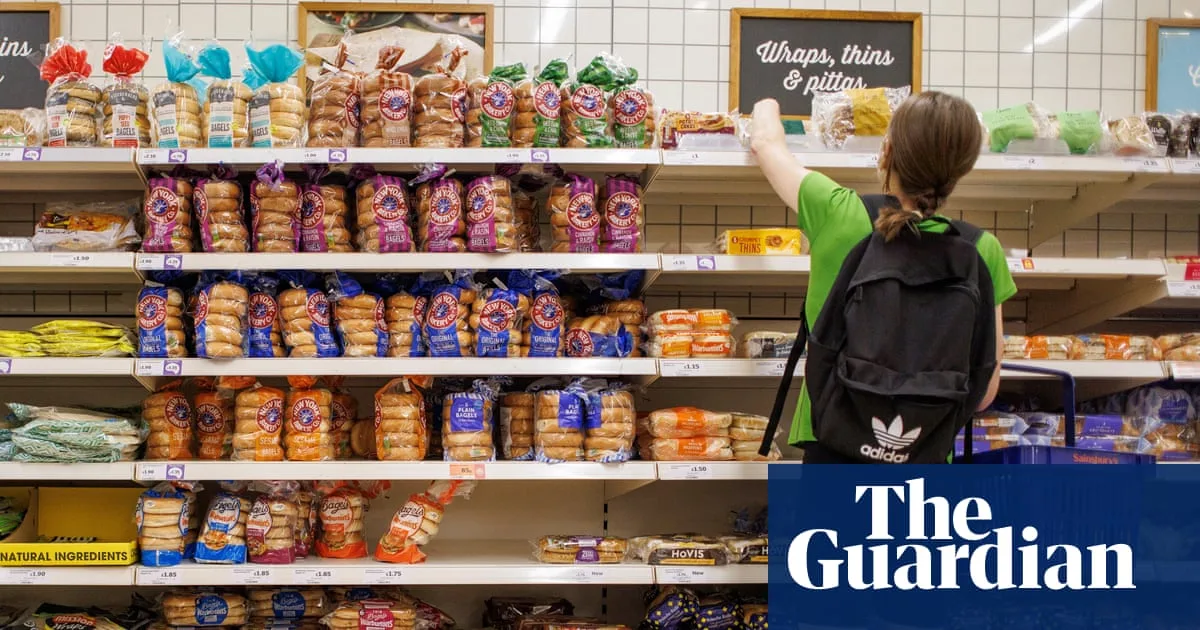
UK inflation rose to 3.4% in December, driven by air fares and tobacco, but analysts see it as temporary. Bank of England rate cut unlikely in February.

Hungarians vote in a landmark election that could end Viktor Orbán's 16-year rule, with polls showing Péter Magyar's Tisza party leading.
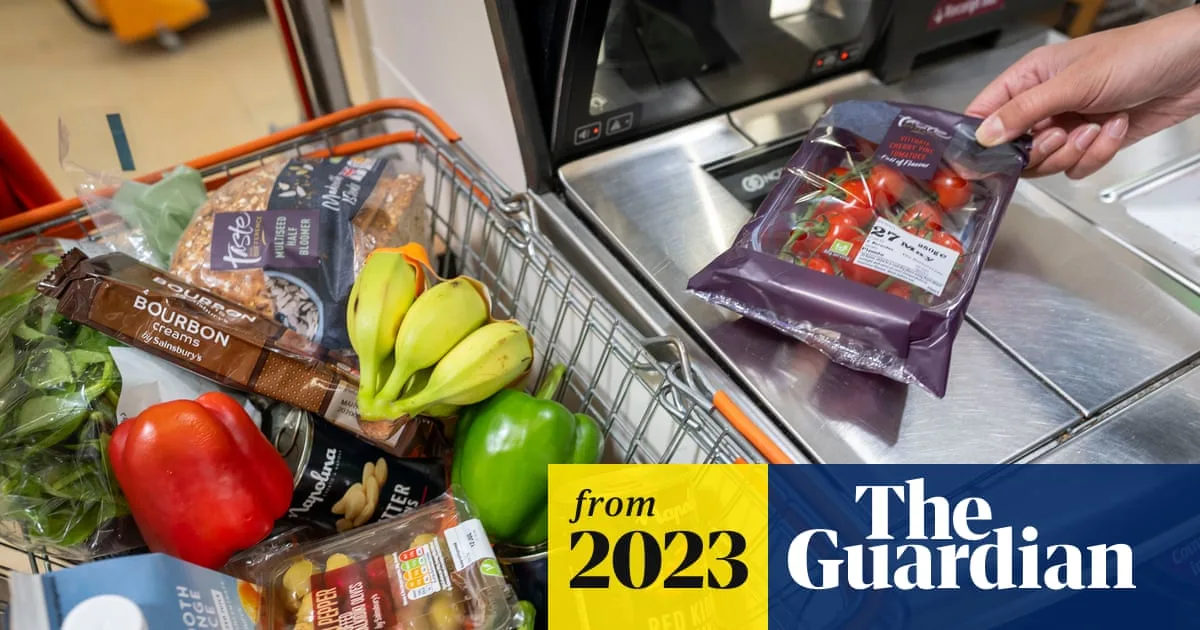
UK inflation fell to 10.5% in December but food prices surged 16.8%, hitting low-income families hardest amid the cost-of-living crisis.
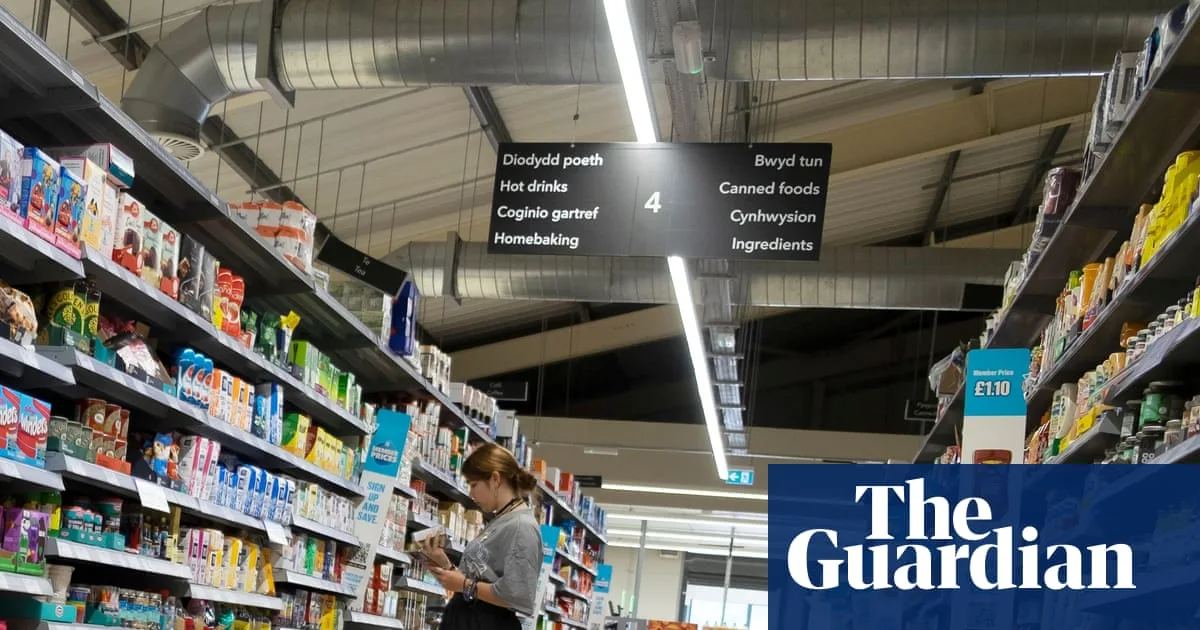
UK inflation held at 3.8% in August as fuel rises offset lower air fares, with food inflation climbing to 5.1%. Bank of England expected to keep rates at 4%.
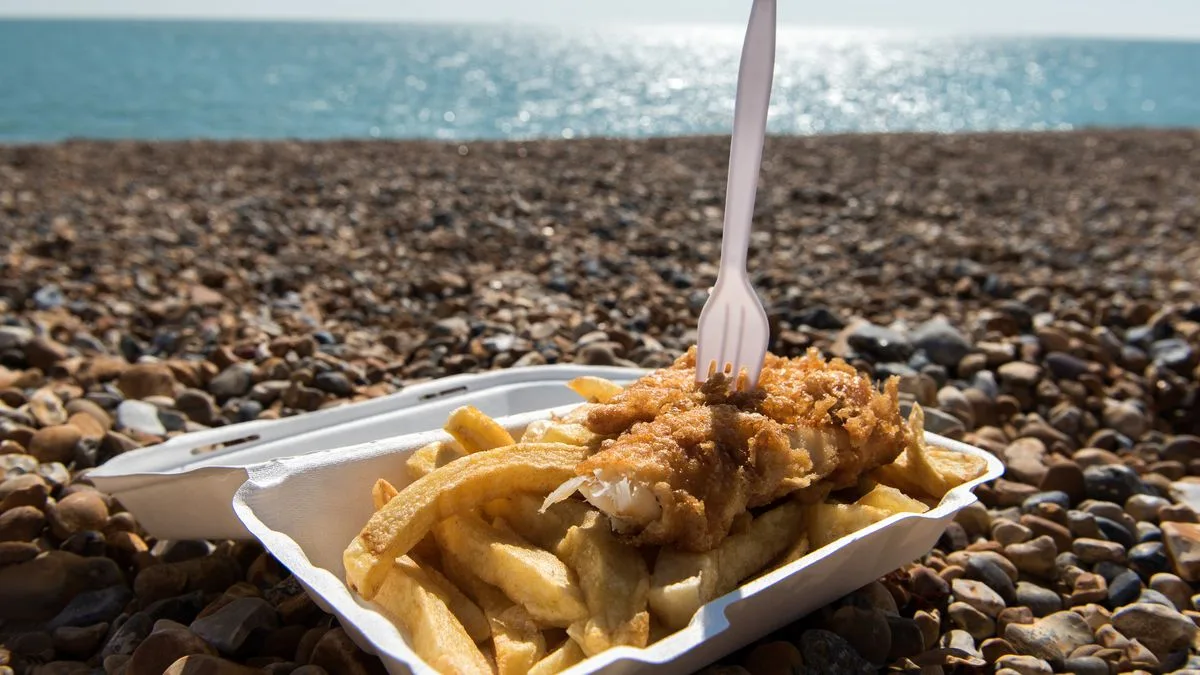
Fish and chips prices rise to £11.41 on average, but industry adapts with menu changes and remains resilient amid inflation.
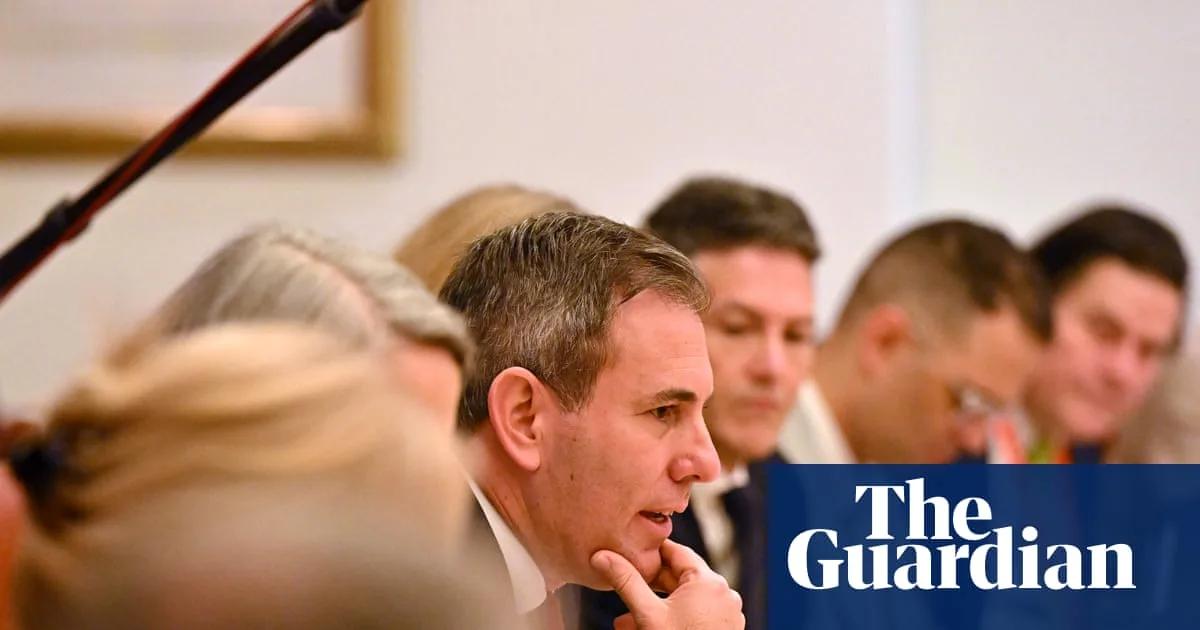
Treasurer Jim Chalmers says retirees will keep super tax breaks, but intergenerational fairness is key. No plan to alter concessional measures.
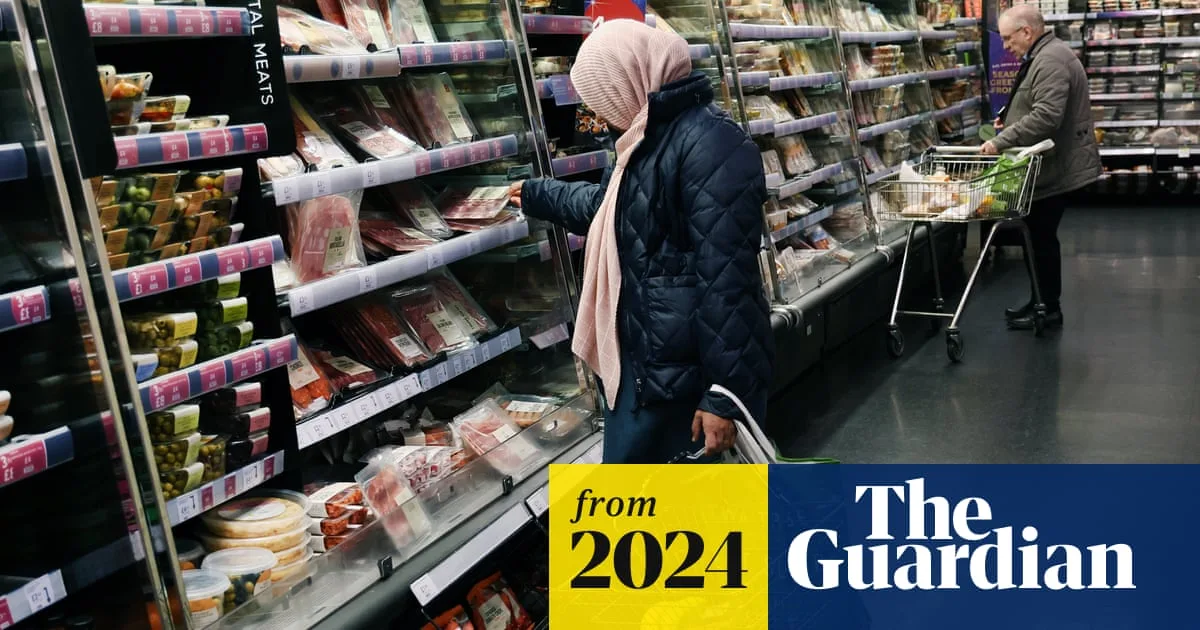
UK inflation fell to 1.7% in September, below the 2% target for the first time since 2021, boosting Chancellor Rachel Reeves ahead of the budget.
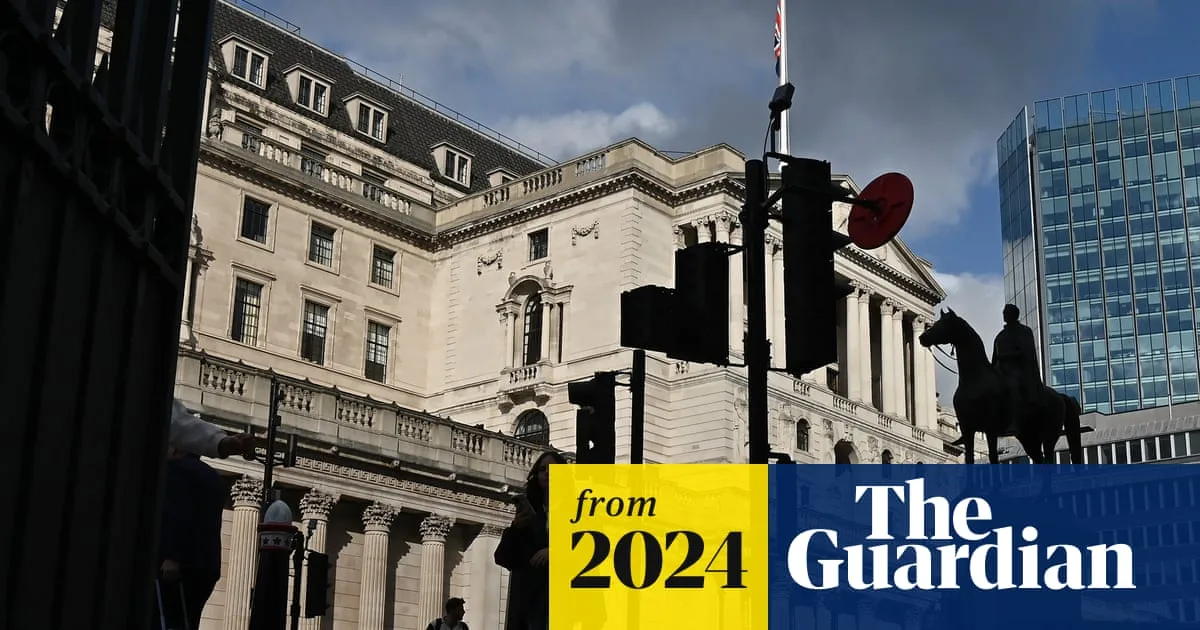
Goldman Sachs predicts Bank of England will cut rates to 2.75% by autumn 2025, with cuts at each of nine meetings, citing restrictive policy and falling inflation.
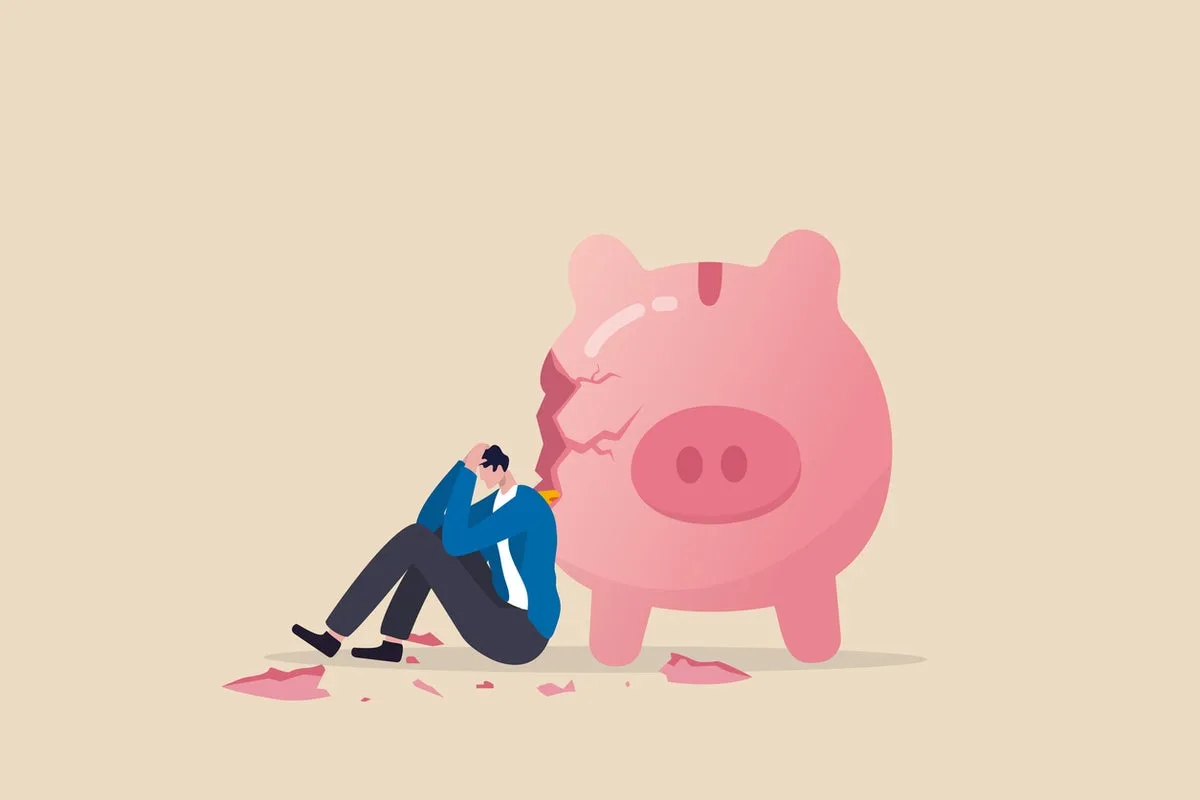
Brits losing hundreds as inflation outpaces low savings rates; £612bn in accounts paying under 3% interest.
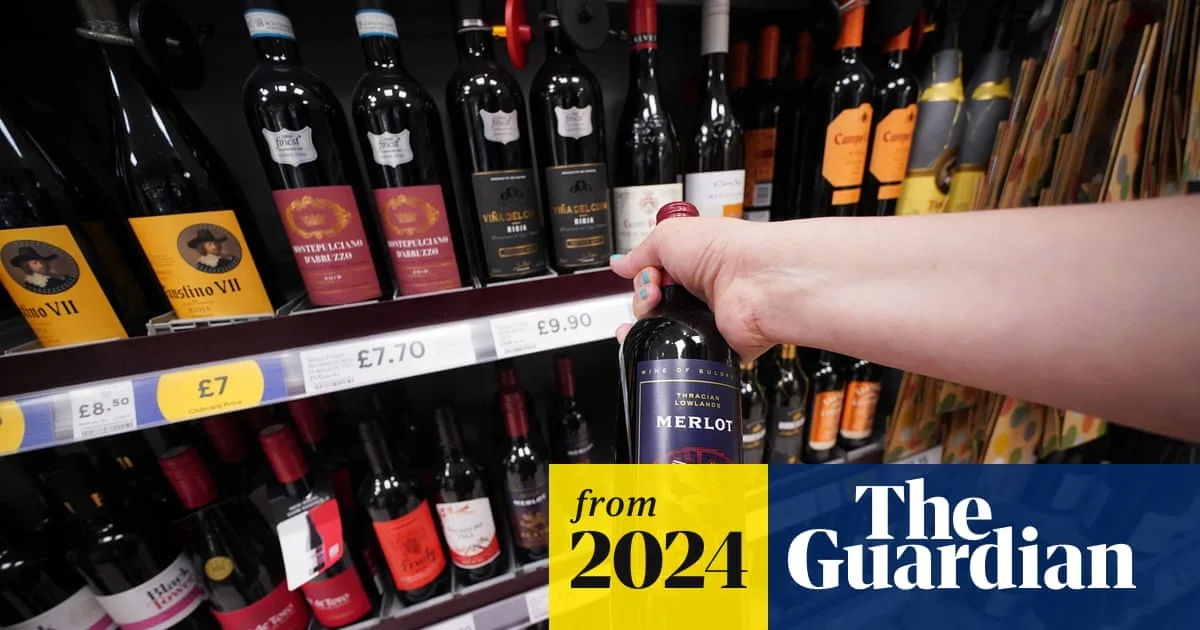
UK inflation unexpectedly rose to 4.0% in December, driven by tobacco and alcohol costs, complicating interest rate cut expectations.