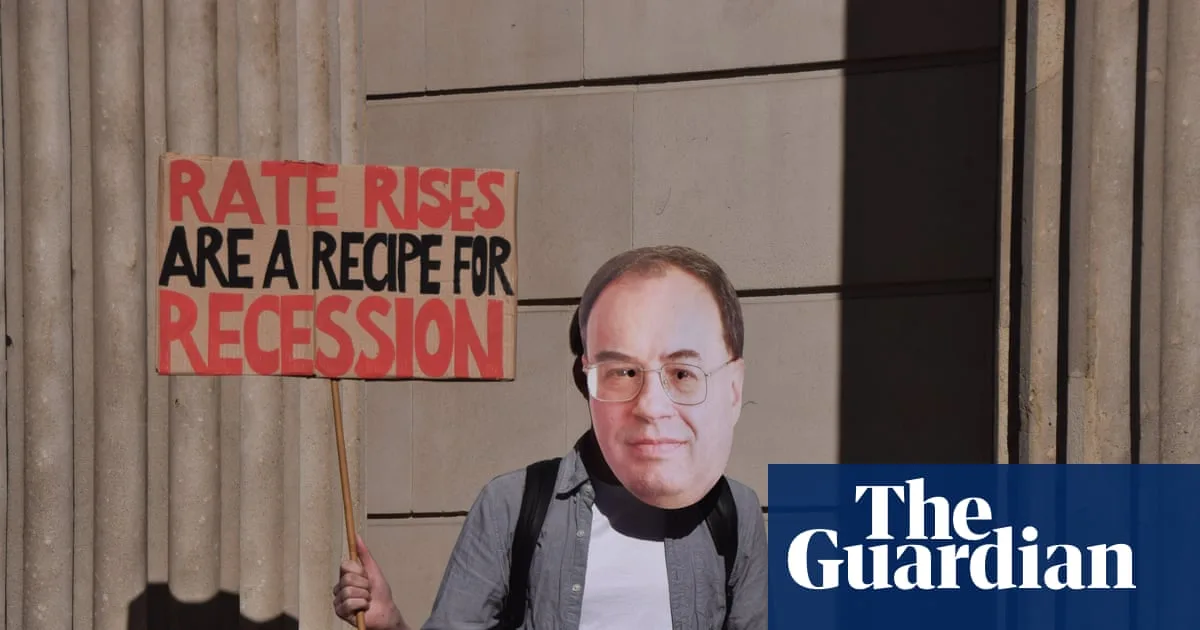
Former Bank of England Official Urges Interest Rate Hike to Curb Inflation
Ex-BoE Official Warns Interest Rates Must Rise to Control Inflation

Former Bank of England Official Calls for Interest Rate Increase to Tackle Inflation

A former Bank of England official has issued a stark warning that interest rates may need to rise this year to control inflation, a move that could impact borrowers and the broader economy. Michael Saunders, who previously served on the Bank's Monetary Policy Committee (MPC), highlighted the risks of spiralling inflation driven by escalating food and fuel costs.

Inflation Pressures from Global Conflicts

The current inflation rate stands at 3 per cent, but Saunders cautioned that it could surge to 4.5 per cent due to the ongoing Iran war, which has disrupted global supply chains and increased energy prices. This external shock has compounded domestic inflationary pressures, making it more challenging for the Bank of England to maintain price stability.

Saunders argued that pre-emptive action is crucial.

He suggested that increasing interest rates now would be less costly than allowing inflation to spiral out of control later. This perspective marks a shift from the MPC's earlier indications of a desire to cut rates before the conflict escalated, reflecting the volatile economic landscape.

Wide Pickt banner — collaborative shopping lists app for Telegram, phone mockup with grocery list

Impact on Borrowers and Mortgage Rates

The warning comes as a blow to borrowers who had been hoping for cheaper mortgages. Mortgage rates have already increased significantly in recent months, and a further rate hike could exacerbate financial strain for households. Saunders' analysis underscores the difficult trade-offs facing policymakers between controlling inflation and supporting economic growth.

However, not all economists agree on the immediate need for a rate hike.

Another economist noted that the Bank of England might adopt a tough rhetorical stance without necessarily raising rates unless inflation exceeds 4 per cent. This alternative view suggests that the MPC could wait for more concrete data before making decisive moves, balancing inflationary risks with the need to avoid stifling economic recovery.

Broader Economic Implications

The debate over interest rates highlights the broader challenges in monetary policymaking amid global uncertainties. Factors such as the Iran war and fluctuating commodity prices require careful navigation to prevent long-term economic damage. Saunders' warning serves as a reminder of the importance of proactive measures in maintaining financial stability.

As the Bank of England's MPC continues to monitor inflation trends, stakeholders across the economy will be watching closely for any signals of policy shifts. The outcome could have significant implications for everything from consumer spending to business investment, shaping the UK's economic trajectory in the coming months.

Pickt after-article banner — collaborative shopping lists app with family illustration




