
UK inflation rose unexpectedly to 4.0% in December, marking the first increase in ten months and complicating expectations for interest rate cuts from the Bank of England. The Office for National Statistics reported that the annual consumer prices index (CPI) increased from 3.9% in November, defying City forecasts of a decline to 3.8%.
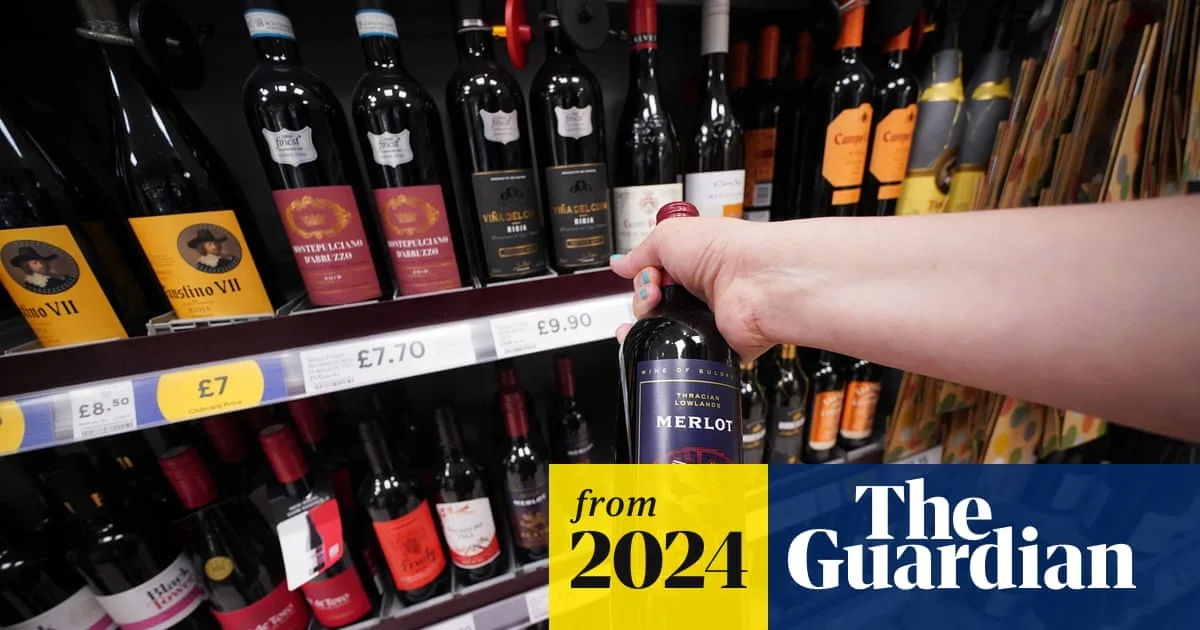
The rise was primarily driven by higher tobacco and alcohol costs following the chancellor's autumn statement duty increases. Tobacco prices surged 16% year-on-year, while alcohol rose 9.6%, contributing the most to inflation since 2006. These increases were partially offset by falling food inflation, though food prices still rose at a slower rate than the previous year.
Core inflation, excluding volatile items such as energy, food, alcohol, and tobacco, remained unchanged at 5.1%. Services inflation edged up from 6.1% to 6.2%. Motor fuel prices fell by 10.8% annually, with petrol and diesel dropping about 8p per litre in December.
Financial markets reacted sharply, with the FTSE 100 falling 1.5%—its worst daily performance since August—as investors revised down expectations for rate cuts. The first cut is now seen more likely in June than May, with total reductions for the year expected to be about 1.12 percentage points, down from 1.24 points before the data.
Economists noted that despite the uptick, inflation remains on track to fall below the Bank of England's 2% target by spring, but warned of potential disruptions from geopolitical tensions and Red Sea shipping issues. The January inflation figures will also reflect the 5% rise in the Ofgem energy price cap, though a 10% drop is expected in April.
Rishi Sunak can declare victory on his pledge to halve inflation by the end of 2023, as the rate fell from above 10% in January to 4% in December. However, consumers face further price increases, with mobile phone and broadband operators set to raise prices by nearly 8% in spring based on December's inflation figures.




