
UK inflation slowed to 2.8% in April, the lowest rate in more than a year, as a reduction in the household energy price cap helped soften the sharp rise in fuel costs since the start of the Iran war. The Office for National Statistics (ONS) said the consumer prices index measure of inflation eased from March’s reading of 3.3%, suggesting the impact of the Iran war has not yet hit UK households as much as feared, despite prices at the pumps rising at the fastest rate in nearly four years.
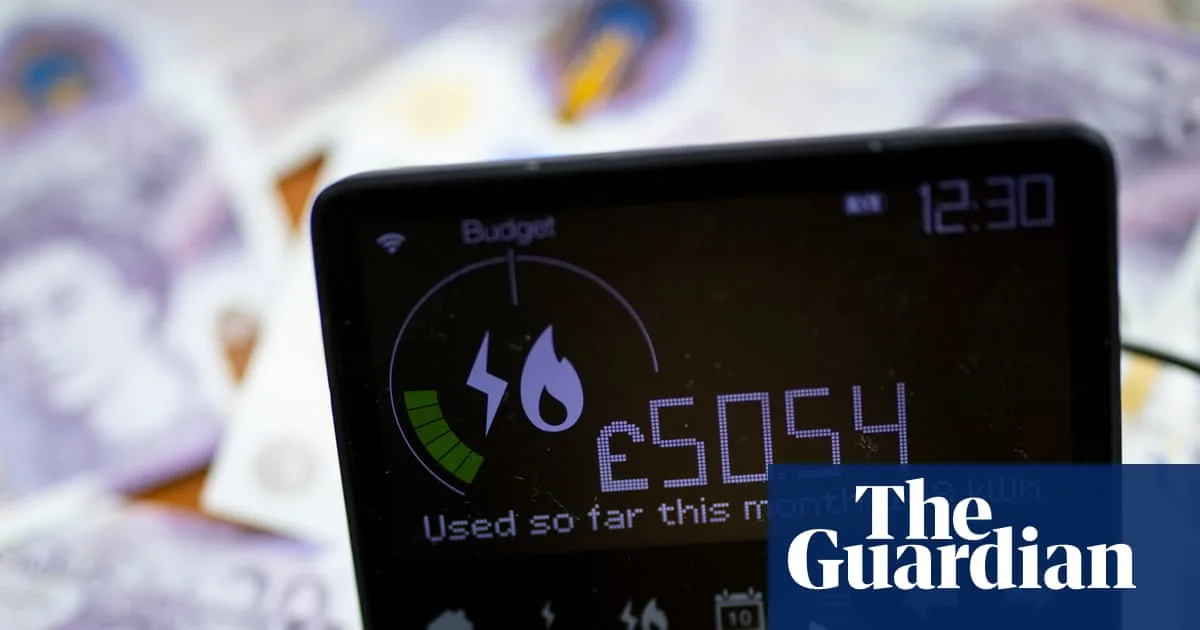
The reading beat economists’ forecasts of a decline to 3% and was the lowest rate since March 2025. The fall was partly down to Ofgem’s lower energy price cap, which reduced the typical annual dual-fuel bill in Great Britain to £1,641 from April – a fall of £117. Electricity prices dropped 8.4% in April, the ONS said.
The slowdown in the pace of price rises will be welcome news for the chancellor, Rachel Reeves, after she shifted some green energy costs away from household bills and into general taxation in her November budget to help ensure a lower price cap. Reeves, who is due to announce a package of measures on the cost of living on Thursday, including an expected cancellation of this autumn’s rise in fuel duty, said: “The war in Iran is not our war but one we will need to respond to, and the decisions I took in the budget last year have kept inflation down as we deal with global instability.”
Services inflation, which is considered a key sign of underlying price pressures, was 3.2%, the lowest since January 2022. However, economists believe the drop in inflation is unlikely to last as petrol and diesel prices have soared since the start of the Middle East conflict, reflecting a jump in the global oil price to more than $110 a barrel as the closure of the strait of Hormuz affects energy supplies. The household energy price cap, which is updated on a quarterly basis, will change in July and is forecast to jump 13% to £1,850 a year.
Suren Thiru, the chief economist at the Institute of Chartered Accountants in England and Wales, said April’s slowdown in inflation was likely to be “a last interlude before the Iran war-induced inflation storm hits”. He said: “This decline could be the final fall in inflation this year, with surging fuel and food costs set to push it to 4% this summer.” The ONS said there was a 23% rise in motor fuel prices in the year to April, compared with a rise of only 4.9% in the year to March, the highest annual increase since September 2022.
Core inflation, which strips out more volatile measures such as energy and food, was 2.5%, down from 3.1% in March. Producer price inflation, which measures the change in the price of goods bought and sold by UK manufacturers, was 7.7% in April, up from a revised rate of 5.3% in March. This was the sharpest increase in prices since March 2023, raising fear of higher inflation for shoppers down the line as companies pass on costs to consumers. The overall drop in the inflation rate comes after ONS data released on Tuesday showed wage growth slowed and unemployment rose in March, reducing the likelihood of the Bank of England raising interest rates at its next meeting on 18 June.




