
A new report has warned that rising food prices driven by climate change are increasing the risk of malnutrition, political upheaval, and social unrest, particularly among the world's poorest populations. The study, which analysed price spikes across 18 countries between 2022 and 2024, links extreme weather events such as heat, drought, and heavy precipitation to surges in the cost of staples like potatoes in the UK, cabbages in South Korea, onions in India, and cocoa in Ghana.
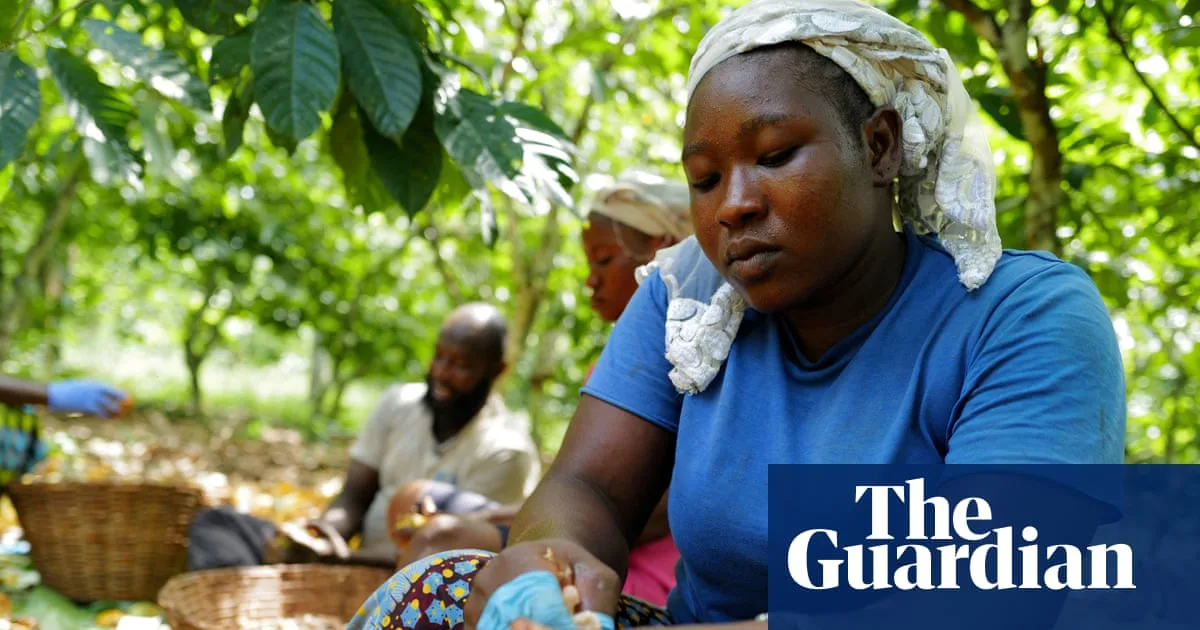
The report, produced by a team including the UK's Energy & Climate Intelligence Unit (ECIU), the European Central Bank, and the Potsdam Institute for Climate Impact Research, highlights that such price jumps have far-reaching consequences. For example, unprecedented temperatures in February 2024, following drought in Ghana and Ivory Coast—which produce 60% of the world's cocoa—led to a 300% spike in global cocoa prices. These increases force low-income households to cut back on nutritious foods, exacerbating health issues like cancer, diabetes, and heart disease.
The research also notes that food price inflation can impact broader economic stability, making it harder to control inflation and reduce interest rates. A hot, dry spring in the UK this year partly drove unexpectedly high inflation figures, dampening expectations for further interest rate cuts. Furthermore, the report suggests that high inflation can influence election outcomes, with lead author Maximilian Kotz stating that the cost of living played a role in last year's US election.
Kotz warned that these effects will worsen until net-zero emissions are achieved, as extreme weather continues to damage crops and push up food prices globally. The report is published ahead of the UN Food Systems Summit Stocktake on 27 July, where world leaders will discuss threats to the global food system.




