
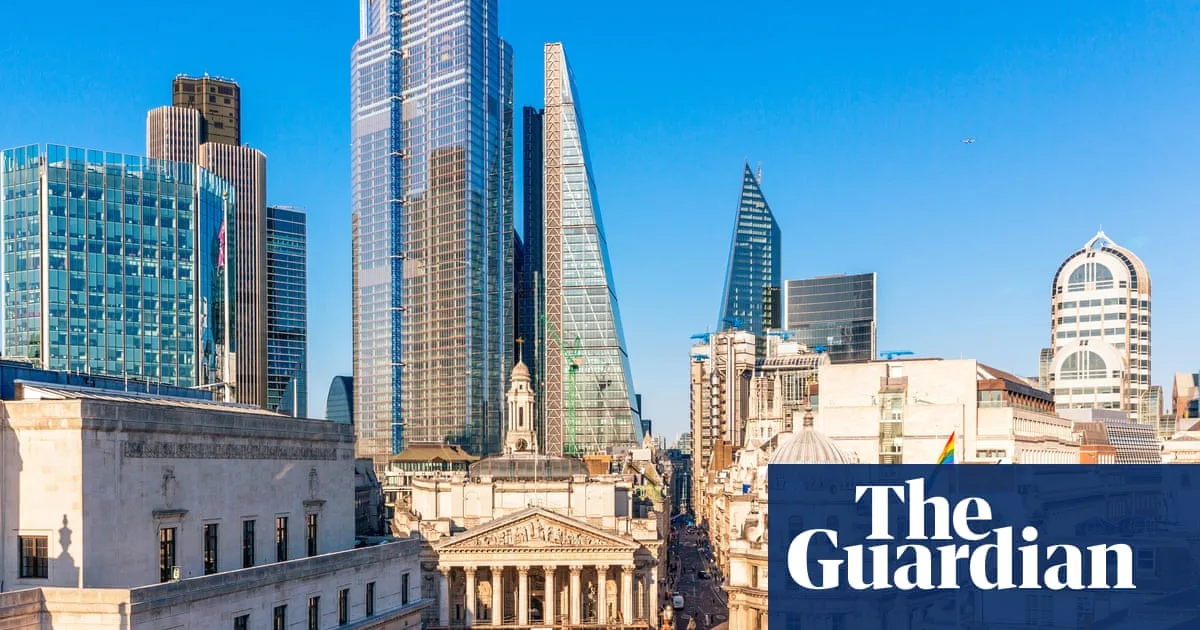
Keir Starmer will exclude financial services from negotiations on closer alignment with the EU, prompting a sigh of relief from Brexit-weary City lobbyists.
A government spokesperson said officials would continue to explore cooperation “where it is in our economy’s interest”, but it is understood there will be no push for City firms to return to the Brussels rulebook.
The exclusion, first reported by the Financial Times, comes despite City bosses having largely backed EU membership in the run-up to the 2016 referendum and later warning of widespread disruption and job losses moving to the continent. Today, however, few are keen to face another period of uncertainty and potential unwinding of post-Brexit changes.
UK regulators have been under pressure to dismantle a series of EU-era rules that politicians argue have hampered competitiveness and growth. Subsequent changes have led to larger banker bonuses, lower capital levels and looser listing rules for companies seeking to float in London. Reversing those changes would risk derailing the recovery in London’s stock market listings, according to Steve Fine, the chief executive of Peel Hunt investment bank.
“A huge amount of work and effort has gone into improving the landscape for financial services in the UK, which are essential for a viable domestic capital market,” he said. Miles Celic, the chief executive of the lobby group TheCityUK, acknowledged that closer cooperation with the UK’s second-largest market for financial services made sense, but added: “Rejoining the single market or a customs union would not be a simple upgrade.”
A government spokesperson said talks with Brussels at a crunch summit in spring 2025 had identified “several potential areas for strengthened cooperation. Financial services did not form part of this agreement. However, the EU is the UK’s second-largest trading partner for financial services, and we continue to explore areas of cooperation where it is in our economy’s interest.”




