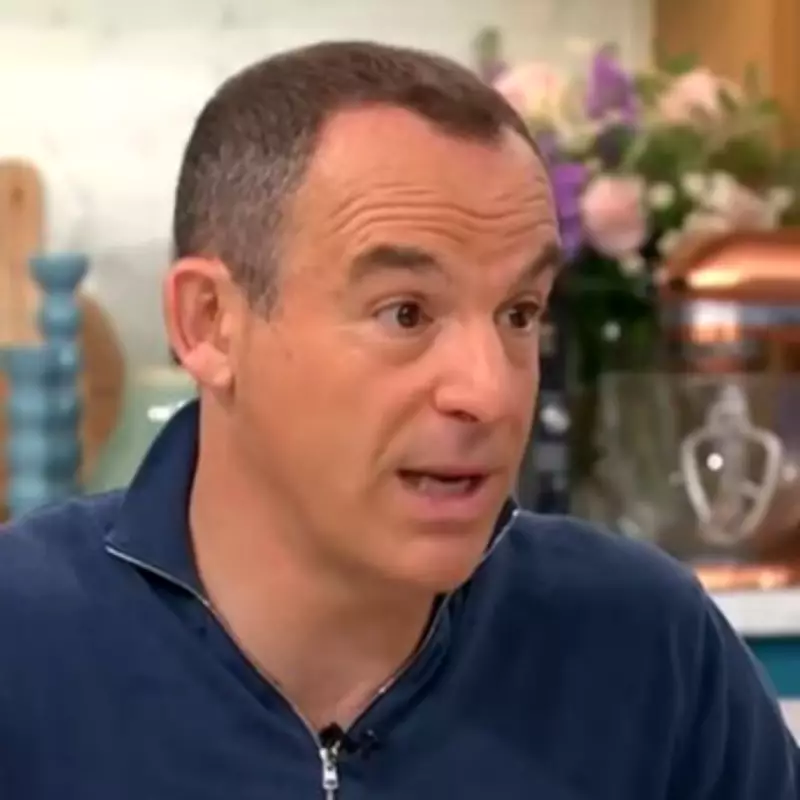
Martin Lewis Settles Debate on State Pension National Insurance 'Two Year' Plan
Financial expert Martin Lewis has provided crucial guidance on a common dilemma facing many individuals regarding their retirement finances. The specialist has recently examined the intricacies of the state pension system, particularly the rules surrounding qualification and the option to pay voluntary National Insurance contributions.
Understanding State Pension Qualification Requirements
In the United Kingdom, eligibility for the new State Pension requires a minimum of ten qualifying years on your National Insurance record. To receive the full state pension amount, approximately thirty-five qualifying years are necessary. A qualifying year can be achieved through various means, including employment with National Insurance contributions, receiving National Insurance credits during periods of unemployment, illness, or caregiving responsibilities, living or working abroad, or paying reduced rates for married women.
The Voluntary Contribution Option Explored
Martin Lewis focused specifically on the voluntary payment route to fill gaps in National Insurance records. During his latest BBC podcast, he addressed a query from a listener named Holly, aged thirty-six, who contemplated paying for two years of contributions to reach the ten-year threshold. Holly had worked abroad and studied, creating gaps in her record, and questioned whether paying now would be worthwhile given her likelihood of accumulating thirty-five years by retirement.

Martin Lewis began by stating, "That's a really interesting question," before outlining two key points. Firstly, he advised checking your state pension projection on the official government website. If the projection indicates you will reach the full state pension, paying extra contributions is generally unnecessary, as additional years do not increase the pension beyond the full amount.
Exception for Cheap Part-Year Purchases
However, Martin highlighted an exception where paying might be beneficial. "The only time I would make an exception on that is if you could buy these years really, really cheaply," he explained. For instance, purchasing a part-year for as little as fifteen to fifty pounds could be a prudent safety net, especially since voluntary contributions are limited to six years back. He contrasted this with the typical cost of around nine hundred pounds for a full year, which he deemed less advisable for young individuals.
Martin emphasized the risks involved, noting uncertainties about future state pension policies, such as potential means-testing in thirty to thirty-five years. "There are a lot of risks in this in doing it now," he cautioned, recommending against full payments unless they are minimal "beer money-type costs" that serve as a precaution against future employment gaps.
Final Recommendations and Government Advice
Martin concluded by advising Holly to carefully consider her decision and seek guidance from government sources before proceeding. He stressed the importance of verifying your National Insurance record for gaps, which can occur due to living overseas, low earnings, self-employment with small profits, or unemployment without benefits claims. The government recommends checking eligibility for National Insurance credits before opting for voluntary payments and contacting HM Revenue and Customs if records appear inaccurate.
This analysis by Martin Lewis offers valuable insights for anyone navigating state pension planning, particularly younger workers weighing the cost-benefit of filling National Insurance gaps early in their careers.