Cash-Only Trend Gains Momentum as Younger Generations Embrace Physical Currency
Cash-Only Trend: Younger Generations Embrace Physical Money

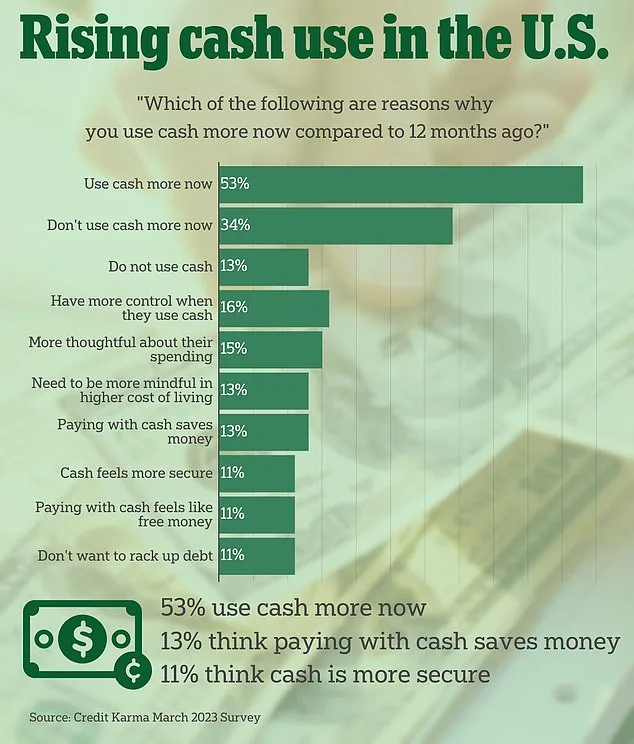
In an era dominated by digital transactions and contactless payments, a surprising counter-trend is emerging: the deliberate return to physical cash. Far from being a relic of the past, notes and coins are experiencing a renaissance, particularly among younger demographics who are discovering the tangible benefits of handling money the old-fashioned way.

The Rise of Cash-First Budgeting

Simon Phillips, managing director of No1 Currency, observes this shift with interest. "The younger generation is learning what we all oldies were doing for decades," he notes. "People are putting cash first to enable them to budget better, have more intention and be more mindful with their spending, whether that's at home or on holiday."

This 'cash-only' approach has been gaining traction for some time, with many individuals withdrawing a set amount before the weekend and relying solely on that until Monday. The rising cost of living has accelerated this trend, making cash budgeting an attractive strategy for financial control.

Wide Pickt banner — collaborative shopping lists app for Telegram, phone mockup with grocery list

European Central Bank's Unusual Endorsement

In a notable development, the European Central Bank is actively encouraging citizens to maintain a certain amount of cash at home. This recommendation comes as recognition that banking systems aren't infallible - occasional glitches in banking apps and digital platforms make having physical currency as backup both practical and reassuring.

The Pros and Cons of Going Cash-Only

Advantages of Physical Currency

Reliable Backup During System Failures: When digital banking systems experience disruptions, cash remains universally accepted and functional. This reliability makes it an essential contingency plan for unexpected technical issues.

Superior Budgeting Tool: For those on tight daily budgets, carrying exact cash amounts provides a physical limitation that prevents overspending. "I do feel worried for people who can't keep track [of their card payments]," Phillips expresses. "Is that the same as physically touching cash? No, it isn't. It is much more difficult to budget digitally."

Enhanced Security Against Fraud: Despite banks' efforts to secure digital transactions, card fraud remains prevalent. Cash transactions eliminate this risk entirely. Phillips welcomes that most major banks have maintained the £100 contactless payment limit, noting that "the potential of just spending even more money without knowing really gets me worried."

Essential for Travel: Many destinations, including popular European countries like Spain, France, Italy, Germany and Greece, remain cash-focused. "Don't assume that just because you're going to Spain or France or Italy or Germany or Greece, they are going to be exactly the same as you are at home," Phillips advises travelers. "Always have a bit of cash."

Challenges of Cash Dependency

Diminishing Access Points: The practical reality of going cash-only faces significant hurdles. "While customers would like to pay cash, some retailers simply can't do it," Phillips explains. Post-pandemic, many businesses have chosen to go cash-free, while others have been forced due to bank branch closures eliminating their ability to deposit cash.

Privacy Limitations: While cash offers some privacy advantages over digital transactions tracked by corporations, Phillips questions its practicality. "If you live off-grid and pay cash for everything, I guess you could avoid all that. But is it possible to live off-grid and cash-only these days? I suspect not."

Poor Savings Vehicle: For long-term financial goals, cash presents significant disadvantages. "With inflation as high as it is, keeping all your money, in old fashioned terms, under your bed, is probably not a great idea," Phillips warns. "Any money that isn't earning some degree of interest is effectively reducing in value."

The Future of Cash in a Digital World

The current geopolitical climate and economic pressures are making people more conscious about their financial habits. "Particularly off the back of the [current US-Iran] conflict, we're seeing people more conscious about the amount of money they have," Phillips observes. "Fuel costs are rising, the cost of doing anything these days, is so much more."

Pickt after-article banner — collaborative shopping lists app with family illustration

While the cash-only trend shouldn't extend to life savings or replace digital banking entirely, maintaining a cash buffer for emergencies and specific budgeting purposes offers distinct advantages. As younger generations rediscover the benefits their elders took for granted, physical currency appears poised to maintain its place in our financial ecosystem, serving as both practical tool and psychological anchor in uncertain economic times.




